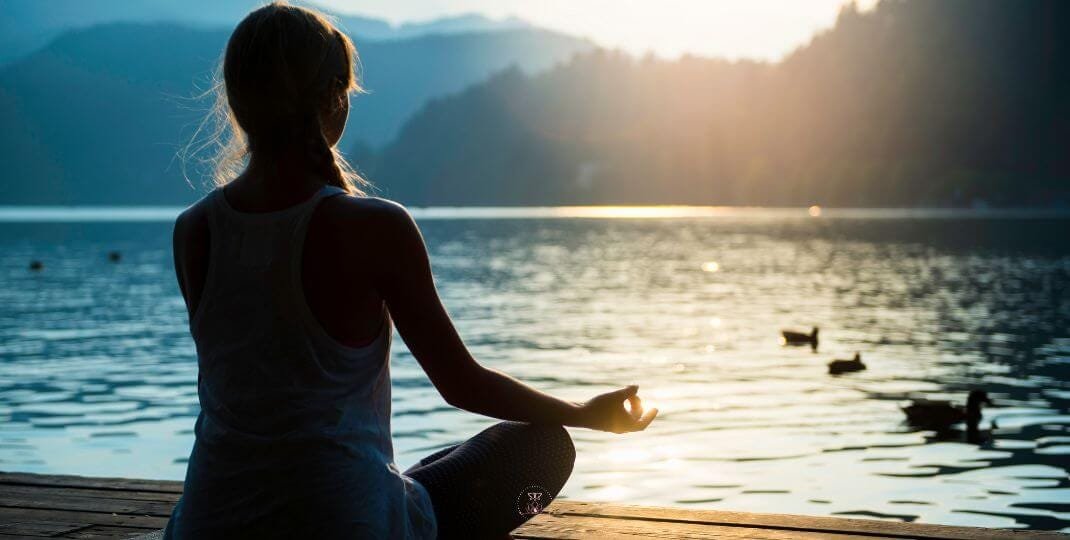
Yoga for Self-Discovery: How to Find Inner Peace
Introduction
Isn’t it surprising to learn that the solution to our modern-day stress, anxiety and emotional turmoil lies within us? The secret lies in finding harmony between our mind, body, and spirit through an ancient practice known as yoga. A Sanskrit word that translates to ‘union’ or ‘conjoining,’ yoga answers your quest for inner peace and self-discovery. So, do you want to gain a deeper understanding of yourself and achieve true tranquility? Let’s embark on this remarkable journey together.
Section 1: The Miraculous Benefits of Yoga
When we hear the term ‘yoga,’ we often picture physical postures or poses, known as asanas. But yoga is, in fact, a holistic practice that goes beyond the physical benefits of improved strength, flexibility, and posture.
Mental Wellness: According to a review of studies by Harvard Medical School, a daily yoga practice significantly lowers stress and anxiety levels. Yoga techniques such as meditation, controlled breathing, and mindfulness immerse us into the present moment, allowing us to break free from anxieties concerning the past or future.
Emotional Balance: Regular practice of yoga encourages emotional stability and helps deal with negative emotions more effectively. Corroborating this, a study published in “Frontiers in Human Neuroscience” found that yoga practitioners tend to have better emotional resilience and handle emotional distress better than non-practitioners.
Self-discovery: Yoga fosters a deepened self-awareness and self-understanding. By using yoga as a tool for self-reflection, numerous individuals have found their purpose, passion, and true self.
Section 2: Overcoming Obstacles in Your Yoga Practice
Starting and maintaining a regular yoga practice is not without challenges, but we’ve got you sorted on these common hurdles!
Time Constraints: Time management is a universal concern. However, even shorter yoga sessions can be wonderfully rejuvenating. Break down your yoga practice into 15-minute chunks if you’re pressed for time.
Lack of Motivation: Consistency is key. Keep reminding yourself of the benefits that keep you returning to the mat.
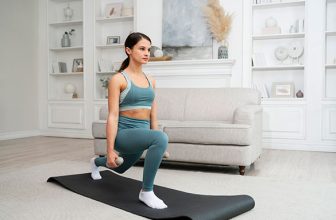
Unavailability of Space: Yoga doesn’t always require a vast, serene spot. A quiet corner in your house or a nearby park, free from distractions will do just fine.
Section 3: Kickstarting Your Yoga Practice
Start with setting a routine. Allocate a set time for your practice. Morning sessions have proven to set a positive tone for the rest of the day. However, choose a time that works best for you.
Don’t hasten your practice. Begin with simpler poses like Tadasana (Mountain Pose), Balasana (Child’s Pose), and Savasana (Corpse Pose), and gradually advance to more complex poses.
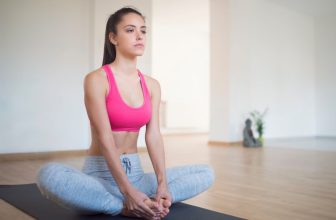
Lastly, supplement your physical practice with meditation. Start with just 2-5 minutes of seated silent meditation and gradually increase the duration.
Section 4: Maintaining Your Yoga Practice
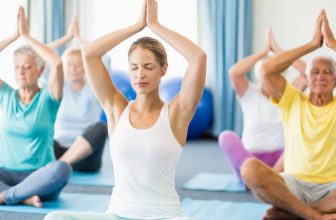
Keeping track of your yoga journey through a journal or an app can keep you motivated. Consider practicing with a friend or joining a yoga community for an augmented experience. Remember, yoga isn’t just about physical fitness; it’s a way of life. So, celebrate your small victories and be gentle with yourself on tough days.
Conclusion
Yoga is a powerful tool for self-discovery and inner peace. Incorporating it into your routine can lead to significant mental, physical, and emotional benefits. It’s a journey of ups and downs – the key lies in consistency and staying motivated.
Start slow, perhaps dedicating just 10 minutes a day for a week to kickstart your journey. Share your experiences and challenges with us in the comments below. Remember, every breath you take on that yoga mat brings you closer to your authentic self and inner tranquility.
Here’s to a peaceful, more intimate journey with ourselves, one pose at a time!