

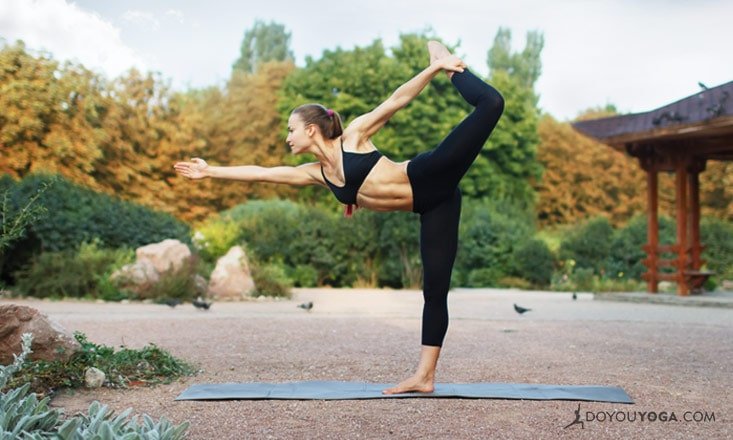
Athletes push their bodies to the limit, striving for peak performance in their respective sports. However, intense training and competition can take a toll on the body, leading to stiffness, injuries, and even mental exhaustion. One highly effective yet often overlooked practice that can enhance an athlete’s performance and overall well-being is yoga. If you’re wondering why athletes should do yoga, the answer lies in its ability to improve flexibility, strength, mental focus, and recovery.
The Role of Flexibility in Athletic Performance
Preventing Injuries
One of the main reasons why athletes should do yoga is its ability to enhance flexibility. Many sports require dynamic movements that can place significant stress on muscles and joints. Tight hamstrings, stiff hip flexors, and limited range of motion can increase the risk of injuries such as muscle strains and ligament tears. Yoga incorporates deep stretching and controlled movements that lengthen muscles and improve joint mobility, reducing the risk of injury.
Enhancing Range of Motion
Athletes who incorporate yoga into their training regimen often notice a significant improvement in their range of motion. Greater flexibility allows for smoother and more efficient movement, whether it’s a basketball player executing a jump shot, a runner extending their stride, or a swimmer reaching further with each stroke. By regularly practicing yoga, athletes can increase their functional flexibility, leading to improved performance in their respective sports.
Building Strength and Stability
Core Strength for Athletic Performance
Yoga is an excellent way to develop core strength, which is essential for virtually all sports. A strong core improves balance, stability, and power generation, making movements more efficient and reducing the risk of injuries. Poses like Plank, Boat Pose, and Warrior III engage the core muscles, helping athletes build a solid foundation of strength.
Improving Balance and Coordination
Balance is crucial for athletes in many sports, from football and gymnastics to cycling and surfing. Yoga poses such as Tree Pose and Eagle Pose challenge stability, forcing the body to activate smaller stabilizing muscles that are often neglected in traditional strength training. Improved balance and coordination can enhance an athlete’s agility, responsiveness, and overall body control.
Enhancing Recovery and Reducing Muscle Soreness
Restorative Benefits of Yoga
After an intense workout or competition, muscles need time to recover. Yoga promotes muscle relaxation and reduces post-exercise stiffness by increasing blood circulation and encouraging oxygen flow to the muscles. Poses like Child’s Pose and Reclining Twist provide gentle stretching and relaxation, speeding up the recovery process.
Reducing Inflammation and Stress
Inflammation is a common issue for athletes due to the high level of stress placed on their bodies. Yoga incorporates breathwork and meditation techniques that activate the parasympathetic nervous system, reducing stress hormones and inflammation. This leads to faster healing, improved immune function, and overall better physical and mental health.
The Mental Benefits of Yoga for Athletes
Enhancing Focus and Concentration
Success in sports is not just about physical ability; mental focus is equally important. Yoga teaches mindfulness and concentration techniques that can help athletes stay present and focused during competition. Breath control practices such as Pranayama enhance mental clarity, allowing athletes to make quicker decisions and maintain composure under pressure.
Managing Performance Anxiety
Competing at high levels can create intense pressure, leading to anxiety and stress. Yoga helps athletes develop mental resilience by incorporating meditation and deep breathing exercises. Learning to stay calm and centered can improve performance and prevent negative self-talk from affecting an athlete’s confidence.
Promoting Better Sleep
Quality sleep is essential for athletic recovery and peak performance. Yoga promotes relaxation and reduces stress, making it easier for athletes to fall asleep and stay asleep. Practices such as Yoga Nidra and gentle bedtime stretches can significantly improve sleep quality, leading to better energy levels and muscle recovery.
Sport-Specific Benefits of Yoga
Yoga for Runners
Runners often struggle with tight hips, hamstrings, and calves, which can lead to injuries such as shin splints and IT band syndrome. Yoga poses like Downward Dog, Pigeon Pose, and Forward Fold help stretch these areas, improving flexibility and reducing the risk of overuse injuries.
Yoga for Cyclists
Cycling can lead to tight hip flexors and a hunched posture, which can cause discomfort over time. Yoga helps counteract these issues by stretching the hip flexors, opening the chest, and strengthening the core. Poses like Camel Pose and Low Lunge are particularly beneficial for cyclists.
Yoga for Weightlifters
Weightlifting requires strength and stability, but it can also lead to stiffness if flexibility is neglected. Yoga enhances mobility in the shoulders, spine, and hips, allowing weightlifters to achieve better range of motion and prevent imbalances that can lead to injuries.
Yoga for Team Sports Athletes
Athletes in team sports like basketball, soccer, and football benefit from yoga’s ability to improve agility, coordination, and endurance. Yoga also fosters a sense of mindfulness and teamwork, helping players stay composed and make better decisions under pressure.
How to Incorporate Yoga Into an Athlete’s Training Routine
Finding the Right Style of Yoga
Not all yoga styles are the same, and athletes should choose a practice that aligns with their goals. Vinyasa and Power Yoga provide a more intense, strength-focused workout, while Yin Yoga and Restorative Yoga are ideal for recovery and relaxation.
Frequency and Duration
Athletes don’t need to commit hours to yoga each day to see benefits. Practicing for just 20-30 minutes a few times a week can make a significant difference. Yoga can be incorporated as a warm-up, cool-down, or standalone recovery session depending on the athlete’s needs.
Combining Yoga with Strength Training
Yoga complements traditional strength training by improving mobility and preventing stiffness. Athletes can integrate yoga sessions on rest days or after intense workouts to enhance recovery and maintain flexibility.
Conclusion
There are countless reasons why athletes should do yoga, from improved flexibility and strength to enhanced mental focus and recovery. Whether you’re a runner, weightlifter, or team sports athlete, incorporating yoga into your routine can lead to better performance, fewer injuries, and a stronger mind-body connection. Yoga is not just a supplementary practice; it is a powerful tool that can elevate an athlete’s game and overall well-being. If you’re serious about optimizing your performance and longevity in sports, it’s time to roll out a mat and start practicing yoga today.


