The Eight Limbs of Yoga: What They Mean and How to Apply Them
**Introduction**
Have you ever been curious about the deeper meaning of yoga beyond the physical postures and breathing exercises done on a mat? Yoga, in its true essence, is an ancient philosophy that provides a roadmap to understanding yourself and the world around you better. It’s a holistic practice that can nourish your soul besides enhancing your physical wellness and mental health. One of the foundational texts of this practice, the “Yoga Sutras of Patanjali,” outlines the Eight Limbs of Yoga, which serve as a guide to living a meaningful and purposeful life. This post will delve into these Eight Limbs and offer practical ways to apply them in our daily lives.
**Section 1: Understanding the Eight Limbs of Yoga**
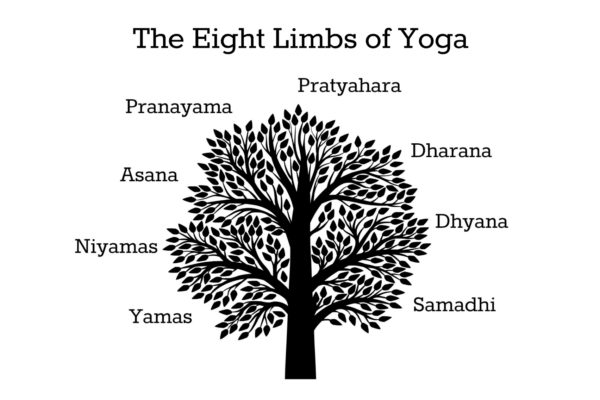
The Eight Limbs of Yoga, also known as Ashtanga (Ashta means eight in Sanskrit, and Anga means limb), is a step-by-step pathway that leads to enlightenment or self-realisation. Let’s dive into what each limb represents and what they signify:
1. **Yama** – Moral Ethics
2. **Niyama** – Personal Observances
3. **Asana** – Physical Postures
4. **Pranayama** – Breath Control
5. **Pratyahara** – Withdrawal of Senses
6. **Dharana** – Concentration
7. **Dhyana** – Meditation
8. **Samadhi** – Bliss or Enlightenment
**Section 2: Practical Applications of the Eight Limbs of Yoga**
By understanding and practicing the Eight Limbs of Yoga, you can cultivate a deep sense of balance and harmony within yourself and your interactions with the world around you. Here is how you can incorporate these teachings into your daily life:
**Yama:** Yama is about being ethical in your interactions with others and the world around you. This includes truthfulness, non-stealing, and non-violence. In your day-to-day life, you can practice Yama by speaking honestly, respecting others’ rights, and promoting harmony and peace.
**Niyama:** Niyama refers to self-discipline and spiritual observances. It involves cleanliness, contentment, self-study, and surrender to your higher power. Practicing Niyama could be as simple as maintaining a clean environment, expressing gratitude, and dedicating time to self-reflection.
**Asana:** Asana is the physical practice of yoga postures. Regularly practicing a sequence of yoga asanas can help improve your physical health, increase strength and flexibility, and enhance your body-mind connection.
**Pranayama:** Pranayama, or control of the breath, is an effective method to calm the mind and reduce stress. Incorporate simple breathing exercises like deep breathing or alternate nostril breathing into your daily routine to reap the benefits.
**Pratyahara:** Pratyahara involves withdrawing the senses from external distractions, thus creating space for inner peace and tranquillity. To practice, try unplugging from electronic devices for a period each day or indulge in mindfulness practices.
**Dharana:** Dharana encourages the cultivation of a focused mind. Incorporate focus-building practices like mindful eating, or concentrate on a single task at a time to foster this ability.
**Dhyana:** Dhyana, or meditation, involves the continuous flow of concentration. Spend a few minutes each day in silent contemplation, focusing on your breath, a mantra, or simply observing your thoughts without judgment.
**Samadhi:** Samadhi refers to a state of ultimate bliss and enlightenment. As you deepen your practice of the earlier seven limbs, you will find yourself coming closer to achieving a profound sense of interconnectedness and unity with all that is.
**Section 3: The Positive Impact of Embracing the Eight Limbs of Yoga**
When you apply the principles of the Eight Limbs of Yoga in your everyday life, the potential benefits are immense. Here are some possible outcomes of embracing these principles:
– Enriched Personal Relationships: The ethics outlined in Yama can make you more compassionate, understanding, and respectful in your interactions with others.
– Enhanced Emotional Well-being: Practices like Pranayama and Dhyana can help to alleviate stress, anxiety, and promote overall mental health.
– Improved Physical Health: Regular practice of Asana can contribute to improved flexibility, strength, and balance in your body.
– A Deepened Sense of Self: Observances in Niyama and the introspection invited by Pratyahara, and Dharana can create a profound self-awareness and harmonious inner life.
**Conclusion**
The Eight Limbs of Yoga offer a comprehensive approach towards personal growth and well-being, transforming us at physical, emotional, and spiritual levels. Each one of these limbs is not an isolated aspect, but rather interrelated steps on the path to self-realization and a harmonious existence. Try slowly integrating these principles and practices into your daily routine, staying patient and compassionate with yourself throughout the journey. Remember, yoga is not about perfection but about progress and your personal journey towards a more balanced, fulfilled life. In the words of T.K.V. Desikachar, “The success of Yoga does not lie in the ability to perform postures but in how it positively changes the way we live our life and our relationships.” Will you take the first step on this enriching path today?