

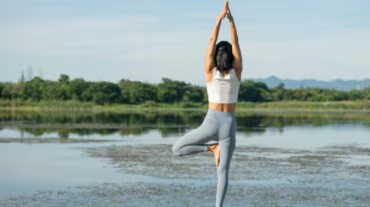
The world of yoga is filled with poses that symbolize balance, grace, and inner strength. One such pose, deeply rooted in Hindu mythology and spiritual significance, is the Nataraja yoga pose. Known for its elegance and challenge, this pose is not only an embodiment of physical flexibility but also a representation of the cosmic dance of Lord Shiva. Whether you’re looking to enhance your practice or simply understand the deeper layers of this asana, there’s much to explore about its origins, benefits, and execution.
The Mythological Significance of Nataraja Yoga Pose
To truly appreciate this pose, it helps to understand its origins. The word “Nataraja” is derived from Sanskrit, where “Nata” means dance and “Raja” means king. Together, Nataraja translates to “King of Dance,” referring to the depiction of Lord Shiva performing his cosmic dance, known as Tandava. This dance represents the cycle of creation and destruction, illustrating the transient nature of life.
In sculptures and paintings, Lord Shiva is often depicted in a dynamic posture, balancing on one leg with the other lifted behind him while holding a drum in one hand and fire in another. This divine stance is what inspired the Nataraja yoga pose, making it not just a physical exercise but also a spiritual expression of transformation and renewal.
Physical Benefits of Practicing Nataraja Yoga Pose
Improves Balance and Coordination
One of the primary benefits of this pose is its ability to enhance balance and stability. Since it requires standing on one leg while extending the other behind, it demands a strong sense of equilibrium. Over time, regular practice helps improve overall coordination, making everyday movements more fluid and controlled.
Enhances Flexibility
The deep stretch involved in the Nataraja yoga pose targets the quadriceps, hip flexors, and shoulders. It encourages greater mobility in these areas, helping to release tension and promote better posture. This flexibility also translates into a more comfortable range of motion in daily activities.
Strengthens the Core and Legs
Holding this pose engages the core muscles, which are crucial for maintaining stability. At the same time, the standing leg bears the body’s weight, strengthening the calves, thighs, and ankles. This combination of strength and balance contributes to better endurance and muscle tone.
Opens the Heart and Chest
As the chest lifts and opens in this pose, it creates space for deeper breathing. This expansion not only benefits respiratory function but also fosters an emotional sense of openness and confidence. Many practitioners find that heart-opening poses like this one help cultivate feelings of joy and self-acceptance.
Step-by-Step Guide to Performing Nataraja Yoga Pose
Mastering this pose requires patience and dedication. Follow these steps to gradually build strength and flexibility:
Step 1: Find Your Foundation
Begin by standing tall in Mountain Pose (Tadasana), grounding both feet firmly into the floor. Engage your core and lengthen through your spine, maintaining an upright posture.
Step 2: Shift Your Weight
Slowly transfer your weight onto your right foot while keeping your left foot light. Find a focal point in front of you to help with balance.
Step 3: Lift and Reach
Bend your left knee and bring your left foot toward your glutes. Reach back with your left hand to grasp the inside of your left ankle. Keep your chest lifted and avoid hunching forward.
Step 4: Expand into the Pose
As you inhale, press your left foot into your hand while lifting it behind you. Simultaneously, extend your right arm forward for balance. Keep your gaze steady and maintain controlled breaths.
Step 5: Hold and Breathe
Stay in the pose for five to ten breaths, feeling the stretch and engagement in your body. When ready, slowly release and return to Mountain Pose before repeating on the other side.
Common Mistakes and How to Avoid Them
Overarching the Lower Back
It’s common to overarch the lower back while lifting the leg. To prevent this, engage your core muscles and keep your pelvis neutral.
Gripping the Ankle Incorrectly
Holding the outside of the ankle rather than the inside can cause misalignment in the shoulders. Ensure that you grasp the inside of your ankle to maintain proper form.
Losing Focus on Breath
Balance poses can be challenging, but holding your breath only makes them harder. Remember to breathe deeply and steadily to maintain focus and stability.
Modifications and Variations
Using a Strap for Assistance
If reaching your ankle is difficult, use a yoga strap around your foot. This allows you to experience the stretch while gradually improving flexibility.
Wall Support for Balance
Practicing near a wall can provide additional support, especially for beginners. Lightly resting a hand against the wall helps build confidence as you develop balance.
Advanced Variation
For experienced yogis, the pose can be deepened by bringing the lifted foot higher and pressing it more actively into the hand, creating a fuller backbend.
The Mental and Emotional Aspects of Nataraja Yoga Pose
Beyond its physical benefits, this pose offers a profound mental and emotional impact. It encourages mindfulness, as balance and stability require full concentration. By focusing on the breath and body alignment, practitioners cultivate a sense of presence and inner stillness.
The pose also symbolizes letting go. Much like Lord Shiva’s dance represents destruction and renewal, this asana reminds us to release what no longer serves us and embrace change with grace.
Integrating Nataraja Yoga Pose into Your Practice
Incorporating this pose into your yoga routine can be highly rewarding. Try practicing it toward the middle or end of your session when the body is warmed up. Pairing it with heart-opening poses like Camel Pose (Ustrasana) or standing balances like Tree Pose (Vrksasana) creates a well-rounded flow.
If you’re looking to deepen your connection with this pose, consider dedicating a few minutes to meditation before or after. Visualizing Lord Shiva’s cosmic dance while holding the pose can enhance its spiritual significance and enrich your practice.
Conclusion
The Nataraja yoga pose is more than just an elegant posture; it is a celebration of strength, balance, and transformation. By understanding its roots, refining its execution, and embracing its deeper symbolism, you can unlock its full potential in your practice. Whether you are a beginner working on balance or an advanced yogi seeking a deeper heart-opening experience, this pose offers something for everyone. So next time you step onto your mat, channel the spirit of the cosmic dance and embrace the fluidity of life through movement and breath.


