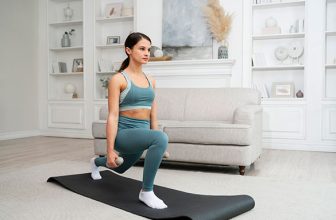
When practicing yoga, engaging your core is essential for stability, balance, and strength. Many people assume that core engagement is simply about having strong abs, but it actually involves a network of muscles working together to support your movements. Learning how to engage your core in yoga can enhance your practice, prevent injuries, and deepen your connection to each pose.
Your core isn’t just your abdominal muscles—it includes the deep stabilizing muscles of your pelvis, lower back, and even your diaphragm. When these muscles are activated properly, they create a strong foundation that supports the rest of your body. Whether you’re flowing through vinyasas, holding a challenging balancing pose, or sitting in meditation, core awareness plays a crucial role in your overall practice.
The Anatomy of the Core
Primary Core Muscles
The core is made up of several key muscle groups, including:
- Rectus Abdominis – The “six-pack” muscles responsible for flexing the spine.
- Transverse Abdominis – A deep layer of muscle that wraps around your torso like a corset, providing stability.
- Obliques – These muscles run along the sides of your abdomen, aiding in twisting and lateral movements.
- Pelvic Floor Muscles – Essential for supporting the lower body and maintaining balance.
- Erector Spinae and Multifidus – Muscles along the spine that help with posture and spinal alignment.
Understanding these muscles will help you become more mindful of how to engage your core in yoga properly.
How to Activate Your Core in Yoga
The Connection Between Breath and Core Engagement
Breathwork is key to activating your core. Engaging your core should not mean holding your breath or tensing up too much. Instead, it involves a gentle activation that works in harmony with your breath. Try this simple exercise:
- Sit or stand tall with a neutral spine.
- Inhale deeply through your nose, expanding your belly.
- As you exhale, gently draw your navel toward your spine, activating the transverse abdominis.
- Hold the engagement as you inhale again, maintaining awareness without tension.
This practice will help you integrate proper core engagement into your yoga poses.
Engaging Your Core in Different Yoga Poses
Standing Poses
In standing poses like Warrior II and Tree Pose, engaging your core improves balance and alignment. To activate your core:
- Focus on drawing your lower ribs in to avoid arching your back.
- Engage your pelvic floor muscles by lightly lifting them upward.
- Keep your lower abdominals engaged without gripping or over-tightening.
Seated and Forward Fold Poses
Even in seated poses like Paschimottanasana (Seated Forward Fold), your core plays a role in maintaining spinal integrity. Engage your core by:
- Sitting up tall and lengthening your spine.
- Keeping your lower abdominals active to avoid collapsing into your lower back.
- Using core strength rather than just flexibility to fold forward.
Balancing Poses
Arm balances and inversions require deep core engagement to prevent falling or straining. Poses like Crow Pose and Headstand rely on:
- Engaging the deep core muscles rather than just using arm strength.
- Keeping your breath steady while maintaining control.
- Activating the pelvic floor muscles to maintain stability.
Common Mistakes When Engaging Your Core
Over-Tensing the Abdominals
One of the biggest mistakes is gripping the abs too tightly. Core engagement should be a controlled activation, not a forceful contraction. Over-tightening can lead to restricted breathing and unnecessary tension.
Forgetting the Lower Back and Pelvic Floor
Many yogis focus only on their front abdominal muscles and neglect the back and pelvic floor. A properly engaged core includes activation of the entire torso, ensuring spinal stability.
Holding Your Breath
A strong core and steady breath go hand in hand. If you find yourself holding your breath while engaging your core, try easing the tension and synchronizing with your inhales and exhales.
How to Strengthen Your Core for Yoga
Core-Focused Yoga Poses
Building core strength will make it easier to maintain engagement throughout your practice. Some effective poses include:
- Plank Pose – Strengthens the entire core, including the transverse abdominis.
- Boat Pose – Engages the deep abdominal muscles while improving balance.
- Dolphin Pose – Activates the core while also strengthening the shoulders and arms.
- Side Plank – Focuses on the obliques and stabilizing muscles.
Integrating Core Strengthening into Your Routine
Practicing core-focused movements regularly will help you develop better control over how to engage your core in yoga. Start with a few minutes of core activation exercises before your yoga practice to build awareness and stability.
Final Thoughts
Understanding how to engage your core in yoga will transform your practice by improving balance, stability, and strength. By focusing on breath, activating the right muscles, and avoiding common mistakes, you can cultivate a deeper connection to your body. Whether you’re a beginner or an advanced practitioner, developing core awareness will enhance every aspect of your yoga journey.