Bringing a new life into the world is an incredible journey, but it also brings significant changes to a mother’s body and mind. The postnatal period is a time for healing, recovery, and adjustment. Yoga can be a great way to regain strength, improve flexibility, and cultivate emotional balance. But with so many options available, how do you know which class is right for you? This guide will take you through everything you need to know about how to choose post natal yoga class that suits your needs and lifestyle.
Understanding Post Natal Yoga
What Makes Post Natal Yoga Different?
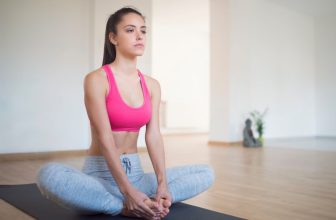
Unlike regular yoga classes, post natal yoga is specifically designed for new mothers. The focus is on gentle movements, core strengthening, pelvic floor recovery, and relaxation techniques. It’s a nurturing practice that acknowledges the changes your body has undergone and helps you ease back into physical activity safely.
The Benefits of Practicing Post Natal Yoga
Postnatal yoga offers a wide range of benefits, including improved posture, enhanced flexibility, better circulation, and stress relief. Many women also find that it helps in alleviating postpartum depression and anxiety. The breathing techniques taught in yoga can be particularly useful in managing the daily stresses of motherhood.
Key Factors to Consider When Choosing a Class
Your Postpartum Recovery Stage
Every mother’s recovery timeline is different. Some may feel ready for yoga within a few weeks, while others may need more time. If you had a C-section or experienced complications during childbirth, it’s crucial to get clearance from your doctor before starting any exercise routine. Knowing where you stand in your recovery will help you determine the type of postnatal yoga class that’s most suitable for you.
Class Format: Online vs. In-Person
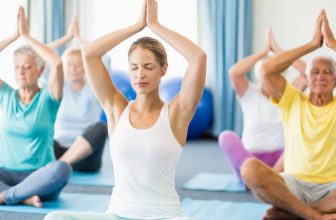
One of the first decisions you’ll need to make is whether to join an in-person class or opt for an online session. In-person classes offer hands-on guidance, real-time corrections, and a supportive community of other new moms. However, online classes provide flexibility, allowing you to practice from the comfort of your home, which can be ideal if you have a newborn who requires constant attention.
Instructor’s Experience and Certification
When exploring how to choose post natal yoga class, always check the credentials of the instructor. A qualified teacher should have specialized training in postnatal yoga and a strong understanding of postpartum anatomy. Their approach should be gentle and supportive, with modifications available for different levels of postpartum recovery.
Class Duration and Frequency
Consider how much time you can realistically commit to a yoga class. Some classes are short and focus on quick, effective movements, while others are longer, incorporating deep relaxation and mindfulness practices. If you have a hectic schedule, look for classes that offer shorter sessions or flexible timings that can accommodate your needs.
Types of Post Natal Yoga Classes
Mommy and Baby Yoga
Many new moms prefer classes that allow them to bring their babies along. Mommy and baby yoga classes provide an opportunity for bonding while helping mothers regain strength and mobility. These sessions often include gentle poses that incorporate your baby, making the experience enjoyable for both of you.
Core and Pelvic Floor Recovery Classes
Postpartum recovery often requires targeted exercises to rebuild core strength and restore pelvic floor function. Some yoga classes focus specifically on these areas, using gentle movements to help heal diastasis recti and strengthen the muscles that support the lower back and abdomen.
Relaxation and Stress Relief Yoga
The postpartum period can be overwhelming, and a yoga class that emphasizes relaxation techniques can be incredibly beneficial. These sessions may include deep breathing, meditation, and restorative poses to help reduce stress and improve sleep quality.
Hybrid Yoga Classes
Some postnatal yoga programs combine different styles, incorporating strength-building exercises with relaxation techniques. If you’re looking for a well-rounded class, a hybrid approach can provide both physical conditioning and mental well-being.
What to Expect in a Post Natal Yoga Class
A Gentle Warm-Up
Most classes begin with a gentle warm-up to prepare your body for movement. This often includes slow stretches, deep breathing exercises, and mindful relaxation.
Safe and Effective Yoga Poses
Post natal yoga classes typically feature poses that are safe for postpartum bodies. Movements focus on opening the shoulders, stretching the back, and gently reactivating the abdominal muscles. Poses such as Cat-Cow, Child’s Pose, and gentle twists help restore mobility and comfort.
Breathing Techniques and Relaxation
Breathing exercises, also known as pranayama, are a vital component of postnatal yoga. Techniques like diaphragmatic breathing and alternate nostril breathing can aid in relaxation, stress relief, and emotional balance.
Gradual Strength Building
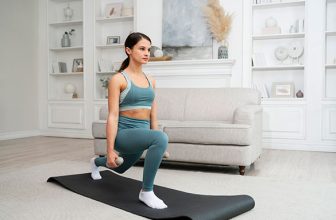
A good postnatal yoga class will not push you beyond your limits. Instead, it will focus on gradually rebuilding strength in a way that feels natural and supportive. Over time, you’ll notice improved endurance and stability.
How to Fit Yoga into Your Daily Routine
Setting Realistic Expectations
Finding time for yoga can be challenging as a new mother, but it’s important to set realistic goals. Even practicing for 10 to 15 minutes a day can make a significant difference. The key is consistency rather than duration.
Creating a Dedicated Space
If you’re practicing at home, set up a designated space for your yoga sessions. This could be a quiet corner of your bedroom or living room where you feel comfortable and undisturbed.
Incorporating Yoga into Baby’s Routine
Many new moms find that integrating yoga into their baby’s schedule helps maintain consistency. Try practicing while your baby naps or include simple stretches during playtime.
The Emotional Aspect of Post Natal Yoga
A Safe Space for New Mothers
One of the biggest advantages of postnatal yoga is that it provides a non-judgmental space for new mothers to connect, share experiences, and support one another. It’s a time to focus on self-care without any guilt.
Boosting Confidence and Emotional Well-being
Beyond physical recovery, post natal yoga plays a significant role in mental health. It can boost confidence, enhance body positivity, and help mothers feel more centered amid the demands of parenthood.
Conclusion
The journey of postpartum recovery is unique to every mother, and choosing the right yoga class can make a significant difference in how you feel both physically and emotionally. When exploring how to choose post natal yoga class, consider your recovery stage, preferred class format, and the expertise of the instructor. Whether you opt for an online session, a mommy and baby class, or a restorative yoga program, the most important thing is to find a practice that aligns with your needs and lifestyle. Taking this step toward self-care will not only benefit you but also positively impact your overall well-being as you embrace the joys and challenges of motherhood.