

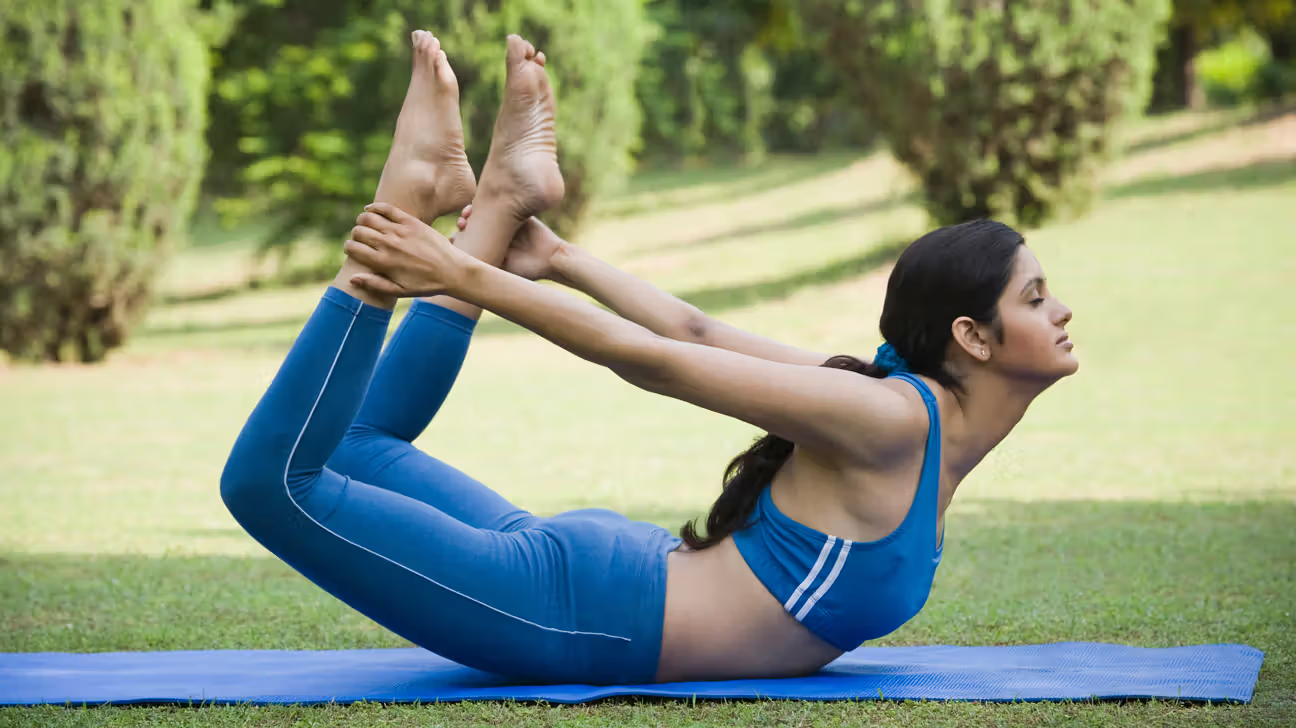
Yoga and Pilates are both popular mind-body practices that offer numerous physical and mental benefits. While they may seem similar at first glance, they have distinct histories, philosophies, and methods of practice. If you’ve ever wondered, “how is yoga different from pilates?” the answer lies in their origins, techniques, and objectives. Understanding these differences can help you decide which practice aligns best with your personal goals and lifestyle.
The Origins of Yoga and Pilates
The Ancient Roots of Yoga
Yoga is an ancient practice that dates back thousands of years to India. Rooted in spiritual and philosophical traditions, yoga is more than just a physical exercise—it is a holistic approach to well-being. The practice incorporates asanas (physical postures), pranayama (breath control), and dhyana (meditation) to promote physical health, mental clarity, and spiritual growth.
The Modern Development of Pilates
Pilates, on the other hand, is a relatively modern practice developed by Joseph Pilates in the early 20th century. Initially designed as a rehabilitation method for injured soldiers and dancers, Pilates emphasizes controlled movements, core strength, and alignment. Unlike yoga, Pilates does not have spiritual roots but focuses on improving posture, flexibility, and overall physical fitness.
Key Differences in Practice and Techniques
Movement and Flow
One of the primary distinctions between the two practices is how movements are executed. Yoga involves holding poses for extended periods to build strength, flexibility, and mindfulness. Some styles, like Vinyasa yoga, incorporate continuous flowing sequences, while others, like Hatha or Yin yoga, focus on longer holds and deep stretching.
Pilates, in contrast, consists of controlled, repetitive movements that target specific muscle groups. The exercises are often performed on a mat or with specialized equipment like the Reformer. Unlike yoga, which emphasizes relaxation and breathwork, Pilates movements are more structured and centered on precision and control.
Breathing Techniques
Both yoga and Pilates incorporate breath control, but their approaches differ significantly. In yoga, breathwork (pranayama) plays a crucial role in guiding movement, enhancing meditation, and connecting the mind and body. Techniques such as Ujjayi breathing and alternate nostril breathing help regulate energy flow and promote relaxation.
Pilates also uses breath as an integral part of the practice, but with a distinct technique. Practitioners focus on lateral thoracic breathing, which involves inhaling deeply through the nose and exhaling forcefully through the mouth while engaging the core. This method helps stabilize the spine and enhance movement efficiency.
Focus on Mindfulness and Spirituality
Yoga is deeply intertwined with mindfulness and spiritual awareness. Many yoga traditions incorporate meditation, chanting, and philosophical teachings to cultivate inner peace and self-awareness. The goal of yoga extends beyond physical fitness to achieving balance in all aspects of life.
Pilates, while mindful in its approach, is primarily a physical practice. It emphasizes concentration, precision, and control to enhance body mechanics and performance. Although it requires mental focus, it does not have the spiritual or meditative components that are integral to yoga.
Benefits of Yoga vs. Pilates
Flexibility and Mobility
If improving flexibility is a primary goal, yoga is often the better choice. Many yoga poses focus on deep stretching, lengthening muscles, and increasing range of motion. Over time, consistent yoga practice can enhance overall mobility and prevent stiffness.
Core Strength and Stability
Pilates is particularly effective for building core strength. Every movement in Pilates engages the deep abdominal muscles, promoting better posture and spinal alignment. This makes Pilates an excellent choice for those recovering from injuries or looking to develop a strong, stable core.
Stress Reduction and Relaxation
Yoga is well-known for its stress-relieving benefits. Through breathwork, meditation, and mindful movement, yoga helps reduce anxiety, lower cortisol levels, and promote relaxation. Restorative and Yin yoga, in particular, are designed to calm the nervous system and release tension.
Rehabilitation and Injury Prevention
Both yoga and Pilates can be beneficial for injury prevention and rehabilitation, but Pilates is often preferred in clinical settings. Many physical therapists incorporate Pilates exercises to help patients recover from injuries, improve mobility, and correct postural imbalances. Yoga, while therapeutic, may require modifications for those with certain injuries or conditions.
Choosing Between Yoga and Pilates
Your Fitness Goals
If you’re looking for a practice that enhances flexibility, mindfulness, and overall well-being, yoga might be the best fit. However, if your primary focus is on core strength, stability, and precise movement, Pilates may be more suitable.
Your Lifestyle and Preferences
Both practices can be adapted to different lifestyles. Yoga offers a wide variety of styles, from gentle and meditative to physically demanding. Pilates, while structured, provides modifications for all levels and can be practiced on a mat or with equipment for added resistance.
Combining Both Practices
For those who struggle to choose between the two, combining yoga and Pilates can be a great approach. Many practitioners find that incorporating elements of both practices enhances their overall fitness, balance, and well-being. Yoga provides relaxation and flexibility, while Pilates strengthens the core and improves posture.
Conclusion
So, how is yoga different from pilates? The answer lies in their origins, techniques, and purposes. Yoga is a holistic practice that integrates physical movement, breath control, and mindfulness, making it a spiritual and meditative experience. Pilates, on the other hand, is a structured workout method focused on core strength, alignment, and controlled movements.
While both yoga and Pilates offer significant health benefits, the right choice depends on your personal goals and preferences. Whether you prioritize relaxation and flexibility or strength and precision, each practice has something unique to offer. Understanding these differences allows you to make an informed decision and find the best approach for your body and mind. And for those who want the best of both worlds, combining yoga and Pilates can create a balanced, comprehensive fitness routine.


