

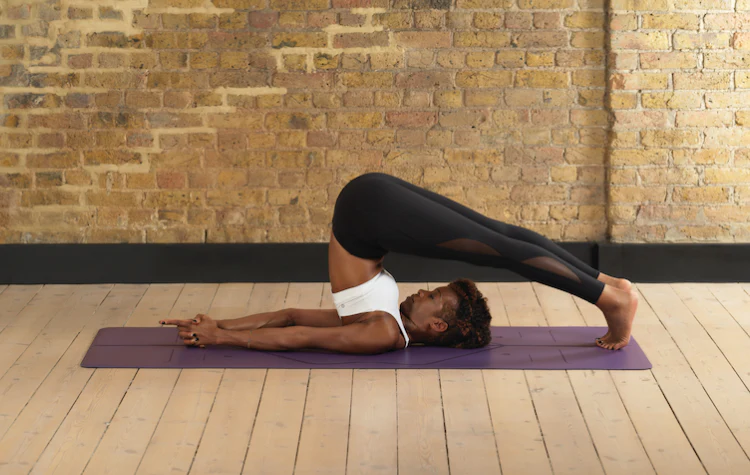
In today’s fast-paced world, quality sleep often feels like a luxury. Many people struggle with restlessness, insomnia, or simply not getting enough restorative sleep. If you’re searching for natural ways to improve your sleep, you may have wondered, “can yoga help you sleep?” The answer is a resounding yes. Yoga, with its mindful movements, deep breathing, and meditative aspects, can be a powerful tool in promoting better sleep and relaxation.
This article explores how yoga impacts sleep, which poses are most effective, and how you can incorporate a nighttime yoga routine into your daily life to achieve deeper and more restful sleep.
The Connection Between Yoga and Sleep
How Yoga Calms the Mind and Body
One of the primary reasons yoga is beneficial for sleep is its ability to activate the parasympathetic nervous system, often called the “rest and digest” mode. This system helps slow the heart rate, lower blood pressure, and promote relaxation, making it easier to transition into sleep.
Practicing yoga also reduces cortisol, the stress hormone, which is often responsible for keeping us awake at night. By focusing on deep breathing and mindful movement, yoga helps to quiet mental chatter and ease anxiety, setting the stage for a more peaceful night’s rest.
Scientific Studies on Yoga and Sleep
Research has consistently shown that yoga can improve sleep quality. Studies have found that individuals who practice yoga regularly experience:
- Faster sleep onset (falling asleep quicker)
- Longer duration of sleep
- Fewer nighttime awakenings
- Improved overall sleep satisfaction
A study published in the journal Alternative Therapies in Health and Medicine found that individuals who practiced yoga for eight weeks reported significant improvements in sleep efficiency and total sleep time. These benefits make yoga a practical and natural remedy for sleep-related issues.
Best Yoga Poses for Better Sleep
Gentle Forward Bends
Forward bends have a calming effect on the nervous system and help to relieve tension in the back, neck, and shoulders.
Seated Forward Bend (Paschimottanasana)
- Sit with legs extended straight in front of you.
- Inhale and lengthen your spine.
- Exhale and fold forward, reaching for your feet or shins.
- Hold for 5-10 breaths, allowing your body to relax into the stretch.
This pose promotes relaxation and reduces stress, making it ideal before bed.
Restorative Poses
Restorative yoga poses use props like pillows and blankets to support the body, allowing for deep relaxation.
Legs-Up-The-Wall Pose (Viparita Karani)
- Sit next to a wall and swing your legs up so they rest against it.
- Lie back and relax your arms by your sides.
- Stay in this position for 5-10 minutes.
This pose helps to reduce swelling in the legs, lower blood pressure, and calm the mind.
Gentle Twists
Twists help to release tension in the spine and detoxify the body.
Supine Spinal Twist (Supta Matsyendrasana)
- Lie on your back and bring your knees toward your chest.
- Drop your knees to one side while extending your arms out in a T-shape.
- Hold for several breaths, then switch sides.
This pose promotes relaxation and relieves lower back tension, making it easier to unwind before bed.
Breathing Techniques to Aid Sleep
Deep Belly Breathing
Deep breathing is a powerful way to calm the nervous system and prepare for sleep.
- Lie on your back with one hand on your belly.
- Inhale deeply through your nose, allowing your belly to rise.
- Exhale slowly through your mouth, feeling your belly fall.
- Repeat for several minutes.
4-7-8 Breathing Technique
This technique helps to reduce anxiety and promote relaxation.
- Inhale through your nose for a count of 4.
- Hold your breath for a count of 7.
- Exhale slowly through your mouth for a count of 8.
- Repeat for four cycles.
Creating a Nighttime Yoga Routine
Setting the Atmosphere
To get the most out of your bedtime yoga routine, create a relaxing environment:
- Dim the lights or use soft candlelight.
- Play calming music or nature sounds.
- Use essential oils like lavender to promote relaxation.
Timing Your Practice
The best time to practice yoga for sleep is about 30 minutes before bedtime. This allows your body and mind to transition into a relaxed state, making it easier to drift off to sleep.
Sample Bedtime Yoga Routine
- Seated Forward Bend – 5 breaths
- Legs-Up-The-Wall Pose – 5-10 minutes
- Supine Spinal Twist – 3 breaths per side
- Deep Belly Breathing – 2 minutes
- 4-7-8 Breathing – 4 cycles
Additional Lifestyle Tips for Better Sleep
Limit Caffeine and Screen Time
Caffeine and blue light from screens can disrupt melatonin production. Try to avoid coffee and electronic devices at least an hour before bed.
Maintain a Consistent Sleep Schedule
Going to bed and waking up at the same time each day helps regulate your body’s internal clock, making it easier to fall asleep and wake up naturally.
Practice Gratitude or Meditation
A few minutes of gratitude journaling or meditation before bed can help shift your focus from stress to positive thoughts, promoting a restful night’s sleep.
Conclusion
If you’ve ever asked yourself, “can yoga help you sleep?” the answer is clear—yes, it absolutely can. From gentle poses that relax the body to breathing techniques that calm the mind, yoga offers a natural, effective way to improve sleep quality. By incorporating a short bedtime yoga routine into your nightly ritual, you can ease into sleep more quickly, stay asleep longer, and wake up feeling refreshed and rejuvenated.
The key is consistency. Make yoga a regular part of your evening routine, and over time, you’ll notice a significant improvement in your sleep patterns. So, roll out your mat, take a deep breath, and prepare for a restful night ahead.


