

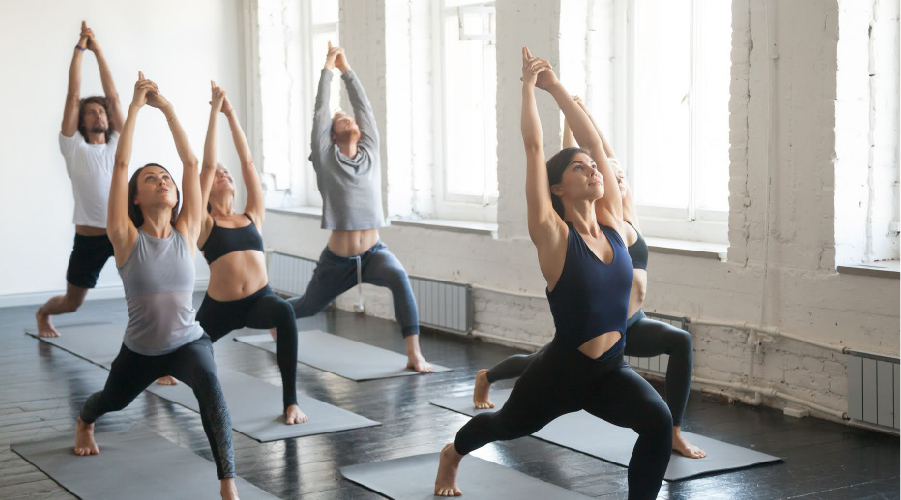
A yoga studio is more than just a physical space for practicing asanas—it is a sanctuary for relaxation, healing, and self-discovery. Whether you are a studio owner or an instructor, the environment you create plays a crucial role in shaping the experience of your students. A warm and welcoming atmosphere encourages people to return, fostering a sense of community and comfort. But how do you cultivate such a space? By paying attention to design, ambiance, and the overall energy of your studio, you can create a haven where students feel at ease and inspired.
Designing Your Studio for Comfort and Connection
Choosing the Right Color Palette
The colors in your studio have a profound impact on mood and energy. Soft, earthy tones like beige, sage green, and warm blues can evoke a sense of calm, while gentle pastels add an uplifting touch. Avoid overly bright or harsh colors that may feel overwhelming, as a yoga studio should provide a retreat from the stresses of daily life. The key is to find a balance that resonates with the purpose of your space while offering a visually soothing experience.
Comfortable and Functional Flooring
The type of flooring in your studio significantly affects comfort. Hardwood floors, bamboo, or cork provide warmth and elegance, while cushioned surfaces help absorb impact and provide stability. If possible, avoid slippery materials that could lead to injuries. Ensuring that your students feel safe and comfortable underfoot is one of the essential tips for creating a warm and welcoming atmosphere in your yoga studio. Additionally, keep the floors clean and free of clutter to maintain a serene environment.
Thoughtful Studio Layout
A well-thought-out studio layout enhances both functionality and flow. Avoid overcrowding mats and allow enough space for movement and personal comfort. Position mirrors strategically—some students find them helpful for alignment, while others may feel self-conscious. If your studio includes storage areas for props like blocks, bolsters, and blankets, make sure they are easily accessible yet neatly arranged to avoid unnecessary distractions during class.
Enhancing Ambiance Through Sensory Elements
Lighting for a Soothing Environment
Lighting plays a significant role in setting the mood of your yoga studio. Harsh fluorescent lights can be unsettling, whereas warm, soft lighting creates an inviting glow. Consider dimmable lights to adjust brightness according to different class types. Natural light is also a wonderful addition—if your space has large windows, make use of sheer curtains to filter sunlight while maintaining privacy. Candlelight or Himalayan salt lamps can add a gentle warmth, enhancing relaxation and mindfulness.
Aroma and Air Quality
Scent has a powerful effect on emotions and energy. Essential oils like lavender, sandalwood, and eucalyptus can create a calming atmosphere, but be mindful of sensitivities—subtlety is key. A diffuser or incense can be used sparingly to enhance the studio experience. Additionally, proper ventilation ensures fresh air circulation, which is particularly important in a space where deep breathing is a focal point.
Background Music and Soundscapes
Music and sound play a role in shaping the energy of your studio. Soft instrumental music, nature sounds, or traditional chants can enhance the experience without being distracting. Some instructors prefer silence, allowing students to focus entirely on their breath and movement. Experiment with different soundscapes to find what best complements your classes and aligns with your studio’s vibe.
Cultivating a Sense of Community
Creating a Warm Welcome for Students
The experience of entering your studio should feel like stepping into a peaceful sanctuary. Greet students with a genuine smile and take time to learn their names. Simple gestures like offering tea, maintaining a cozy waiting area, and displaying positive affirmations on the walls contribute to the overall warmth of the space. The more students feel personally welcomed, the more likely they are to return and recommend your studio to others.
Encouraging Connection Among Students
Yoga is both a personal and collective journey. Encouraging a sense of community can make students feel more connected and valued. Consider hosting small social gatherings, workshops, or post-class discussions where students can engage with each other. Partnering with local businesses for events or special collaborations can also add a unique touch to your studio, making it a hub of wellness and connection.
Instructor Approachability and Teaching Style
A teacher’s presence sets the tone for the studio. A warm, approachable demeanor fosters trust and ease among students. Be open to questions, provide modifications for different skill levels, and encourage students to listen to their bodies. Teaching with authenticity, kindness, and inclusivity goes a long way in making your yoga studio feel like a home rather than just a fitness space.
Personal Touches That Make a Difference
Incorporating Art and Meaningful Decor
The decor of your yoga studio should reflect its essence and purpose. Consider incorporating meaningful artwork, such as mandalas, inspiring quotes, or nature imagery that evokes serenity. Handmade pieces from local artists or items with cultural significance can add depth and authenticity to the space. Minimalist decor often works best, avoiding unnecessary distractions while maintaining a sense of beauty and intention.
Providing High-Quality Props and Accessories
Yoga props contribute to both comfort and functionality. Investing in high-quality mats, blocks, straps, and bolsters ensures that students can practice with ease and safety. Keeping these items clean and well-maintained demonstrates a commitment to the well-being of your students. Offering small comforts, such as lavender eye pillows for savasana or cozy blankets for restorative classes, adds an extra layer of care and warmth.
Thoughtful Extras to Elevate the Experience
Little details can make a big impact. Consider having a gratitude board where students can leave positive messages, a lending library with books on yoga and mindfulness, or even a small retail section with ethically sourced yoga accessories. These extras enhance the overall experience and show that your studio is a place that nurtures not just the body, but the mind and spirit as well.
Maintaining a Consistently Positive Energy
Keeping the Space Clean and Inviting
A clean studio is essential for both physical and energetic reasons. Regularly clean mats, floors, and shared props to maintain hygiene. Decluttering the space and using natural cleaning products contribute to a fresh and uplifting environment. The tidier and more organized your studio is, the more it will exude a sense of calm and orderliness.
Addressing Feedback and Adapting to Needs
Listening to your students’ feedback is key to improvement. Encourage open communication and be willing to make adjustments based on their suggestions. Whether it’s adjusting class schedules, modifying temperature settings, or introducing new class styles, responsiveness demonstrates that you value your students’ experience and comfort.
Aligning with Your Studio’s Philosophy
Every yoga studio has its unique philosophy and values. Staying true to your mission and embodying your studio’s principles in daily operations strengthens its identity. When students resonate with your values, they feel a deeper sense of belonging and purpose within your space.
Conclusion
Creating a yoga studio that feels warm, welcoming, and inviting requires a thoughtful blend of aesthetics, ambiance, and human connection. By focusing on intentional design, sensory details, and community-building efforts, you can cultivate an environment that encourages students to return again and again. These tips for creating a warm and welcoming atmosphere in your yoga studio will help you craft a space that nurtures both the body and soul, making your studio a place of true sanctuary and inspiration.


