

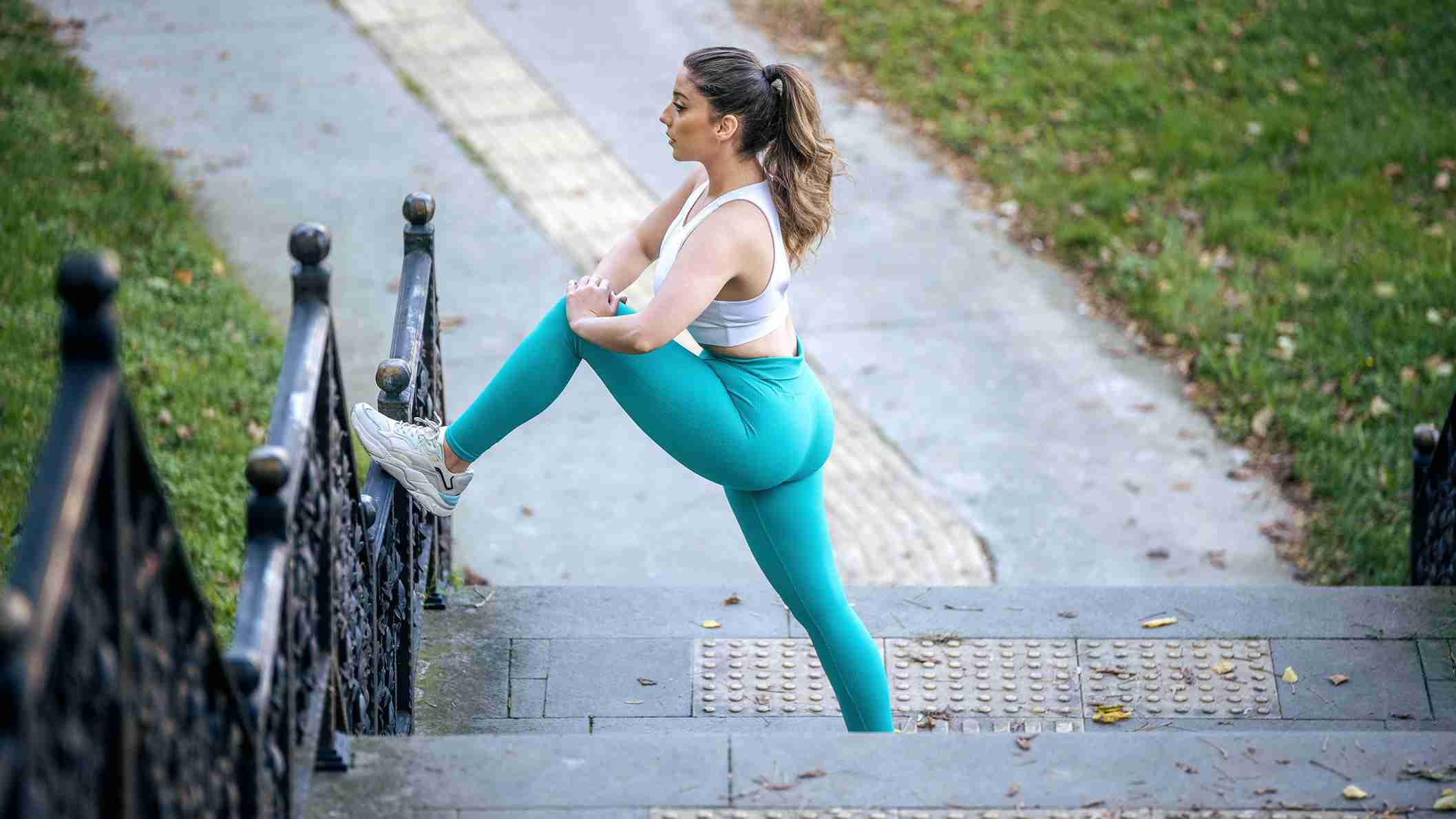
Title: Stretch and Strengthen: Yoga Poses to Increase Flexibility in Your Hips and Hamstrings
Introduction
Have you noticed stiffness in your hips or hamstrings lately? In today’s sedentary lifestyle, where we are often desk-bound or commuting for hours, such tightness has become all too common. By incorporating specific yoga poses into your routine, you can help increase flexibility and alleviate discomfort in these areas. In this blog post, we would be exploring various yoga poses known for increasing hip and hamstring flexibility. Ready to loosen up those hips and lengthen those hamstrings? Let’s dive right in!
Section 1: The Importance of Hip and Hamstring Flexibility
A flexible body offers numerous benefits: improved performance in physical activities, decreased risk of injuries, and better posture, to name a few. Focusing on the hips and hamstrings in particular can have specific effects. The hips, referred to as the body’s ‘second spine,’ can impact the alignment of the entire body, and tight hamstrings can contribute to back pain. Studies have shown that regular yoga practice can significantly improve flexibility and balance.
Section 2: Getting Started with Yoga for Hips and Hamstrings
Starting a yoga practice can feel daunting, especially when introducing a new routine. However, these poses cater to all levels of experience. Remember, it’s not about perfection, but the journey of growth along the way. Here are a few beginner-friendly poses to start with:
1. Downward-Facing Dog
2. Low Lunge
3. Seated Forward Bend
Be patient with yourself as you begin to stretch and strengthen these muscles.
Section 3: Enhancing Your Practice
As you progress in your yoga journey, try these more advanced poses:
1. Pigeon Pose
2. Pyramid Pose
3. Wheel Pose
Incorporate these poses into your routine, and be sure to focus on your breath and maintain a steady pace.
Section 4: Tips for Success
To increase the effectiveness of your yoga practice, here are some pro tips:
1. Warm up: Before diving into your yoga practice, make sure to warm your muscles with some light cardio for increased flexibility and to prevent injury.
2. Consistency is key: Yoga is a practice, and the more consistent you are, the more you’ll notice improvements in your flexibility.
3. Listen to your body: If something feels painful or uncomfortable, don’t force it. Ease into each stretch and recognize that progress may be gradual.
Conclusion
By integrating these yoga poses into your routine, you’re taking a positive step towards increased flexibility, improved physical performance, and overall well-being. So, why wait? Roll out your mat, play some calming music, and give your hips and hamstrings the stretch they have been longing for! How about setting an achievable goal to start with—say, practicing yoga thrice a week? Feel free to share your thoughts, progress, or challenges in the comments below. After all, every great journey starts with a single step—or in this case, a single stretch.


