

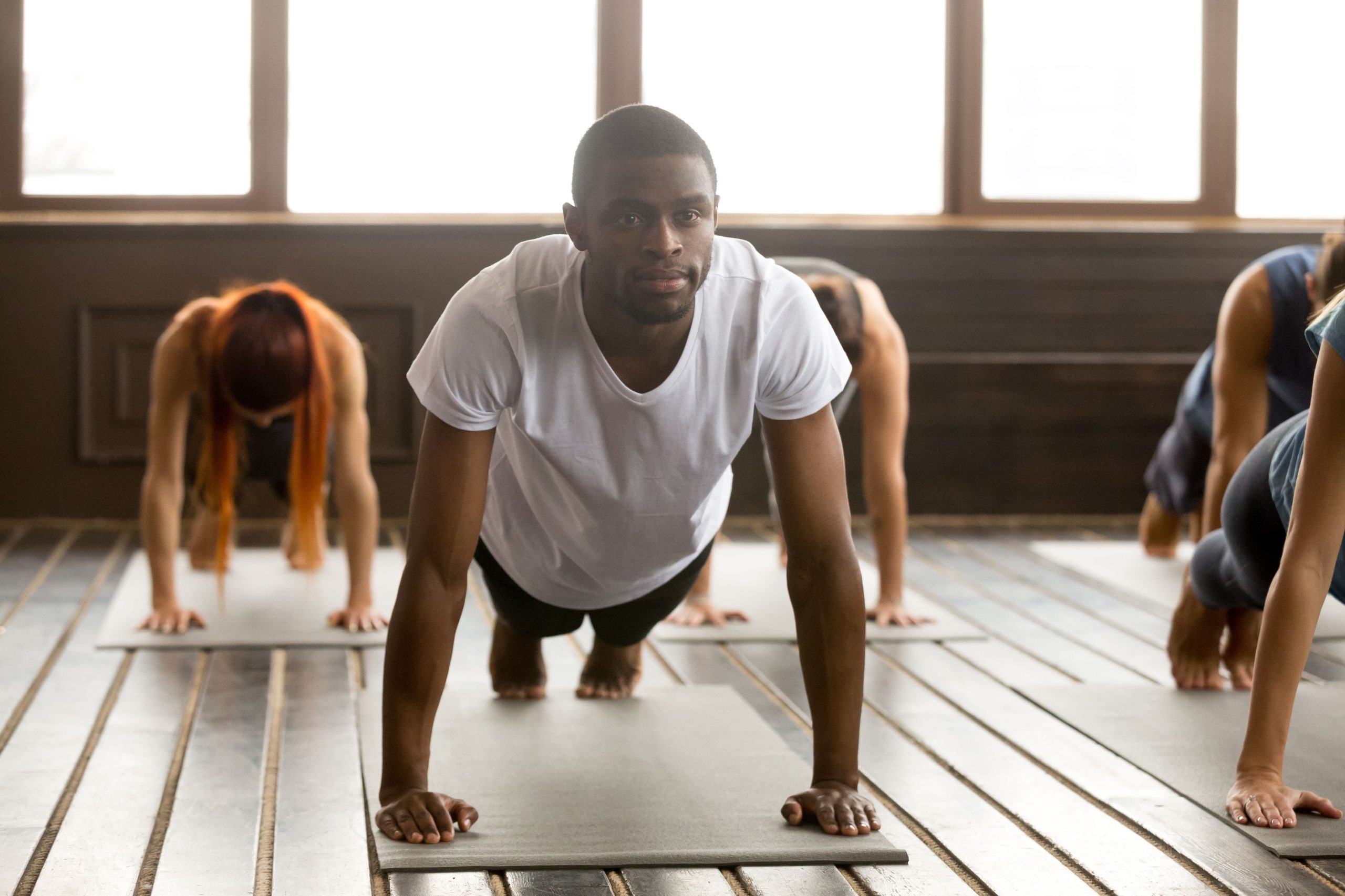
Aging brings many changes to the body, including reduced flexibility, joint stiffness, and decreased balance. While these changes are natural, they don’t have to limit mobility or quality of life. Yoga for seniors is an excellent way to stay active, maintain strength, and promote overall well-being. With gentle movements, mindful breathing, and poses adapted for different ability levels, yoga provides seniors with a way to stay flexible, relieve pain, and boost mental health.
In this guide, we’ll explore the benefits of yoga for seniors, different types of yoga suitable for older adults, and how to get started safely. Whether you’re new to yoga or looking for ways to modify your existing practice, this article will provide helpful insights to make yoga a lifelong tool for better health.
The Benefits of Yoga for Seniors
Improves Flexibility and Mobility
As we age, our muscles and joints become less flexible, leading to stiffness and a decreased range of motion. Practicing yoga helps lengthen muscles, improve flexibility, and maintain mobility, making everyday movements easier.
Enhances Balance and Stability
Falls are a common concern for older adults, often leading to serious injuries. Yoga poses that focus on stability, such as Tree Pose or Warrior II, help strengthen the muscles that support balance, reducing the risk of falls.
Supports Joint Health
Many seniors experience arthritis or joint pain. Gentle yoga movements help lubricate the joints, reduce stiffness, and improve circulation, which can relieve discomfort and improve function.
Builds Strength
Maintaining muscle strength is crucial for independence. Yoga incorporates weight-bearing movements that strengthen muscles without the strain of high-impact activities, making it an excellent option for seniors.
Reduces Stress and Anxiety
Yoga isn’t just about physical movement—it also promotes relaxation and mindfulness. Breathwork and meditation help lower stress levels, reduce anxiety, and promote a sense of calm.
Improves Respiratory Function
Breathing exercises in yoga enhance lung capacity and efficiency, which can be particularly beneficial for seniors who experience shortness of breath or respiratory issues.
Enhances Mental Clarity and Focus
Yoga improves cognitive function by increasing blood flow to the brain and encouraging mindfulness. It can help sharpen memory, enhance focus, and even reduce the risk of cognitive decline.
Best Types of Yoga for Seniors
Hatha Yoga
Hatha yoga is a slow-paced practice that focuses on basic poses and breathing exercises. It’s a great choice for beginners or seniors looking for a gentle introduction to yoga.
Chair Yoga
For those with mobility issues or difficulty standing for long periods, chair yoga offers a way to practice yoga while seated. This style includes modified poses that still provide flexibility and strength benefits.
Restorative Yoga
This form of yoga focuses on deep relaxation, using props like blankets and bolsters to support the body. It’s ideal for seniors looking to relieve stress and tension while gently stretching the body.
Iyengar Yoga
Iyengar yoga emphasizes proper alignment and often uses props to assist in poses. This makes it a great option for seniors, as it allows modifications that accommodate various physical limitations.
Yin Yoga
Yin yoga involves holding poses for longer periods to stretch deep connective tissues. It helps improve flexibility and joint health, making it beneficial for older adults looking to enhance mobility.
Getting Started with Yoga as a Senior
Choose the Right Class
Look for yoga classes specifically designed for seniors. Many community centers, yoga studios, and online platforms offer beginner-friendly sessions tailored to older adults.
Use Props for Support
Yoga blocks, straps, and bolsters can make poses more accessible and comfortable. Using props helps maintain balance and prevents strain on joints.
Listen to Your Body
It’s essential to practice yoga within your comfort level. Avoid pushing yourself too hard, and focus on gradual progress rather than perfection.
Focus on Breathwork
Breathing exercises, known as pranayama, enhance lung function and relaxation. Simple techniques like deep belly breathing or alternate nostril breathing can be incorporated into your routine.
Warm Up and Cool Down
A proper warm-up prepares the body for movement, while a cool-down helps prevent soreness. Gentle stretches before and after your practice ensure a safe experience.
Simple Yoga Poses for Seniors
Mountain Pose (Tadasana)
- Stand tall with feet hip-width apart.
- Engage your core and relax your shoulders.
- Breathe deeply and hold for 20-30 seconds.
Seated Forward Bend
- Sit on a chair or the floor with legs extended.
- Slowly lean forward while keeping your spine long.
- Hold for a few breaths before releasing.
Cat-Cow Stretch
- Start on hands and knees (or sit on a chair and mimic the movement).
- Inhale, arch your back and lift your head (Cow Pose).
- Exhale, round your spine and tuck your chin (Cat Pose).
- Repeat several times to warm up the spine.
Tree Pose
- Stand with feet together and shift your weight to one foot.
- Place the opposite foot on your inner calf or thigh (avoid the knee).
- Balance and hold for 10-15 seconds before switching sides.
Child’s Pose
- Kneel on the floor and lower your chest toward your thighs.
- Extend your arms forward and rest your forehead on the mat.
- Hold for 30 seconds to a minute, breathing deeply.
Corpse Pose (Savasana)
- Lie down on your back with arms at your sides.
- Close your eyes and focus on deep breathing.
- Stay in this position for 5-10 minutes for relaxation.
Precautions and Safety Tips
Consult Your Doctor
Before starting a yoga practice, consult with your healthcare provider, especially if you have pre-existing conditions or limited mobility.
Avoid Overexertion
Yoga should feel good, not painful. If a pose causes discomfort, modify it or skip it altogether.
Use a Supportive Surface
Practice yoga on a non-slip mat or a cushioned surface to prevent falls and provide stability.
Stay Hydrated
Even in gentle yoga, hydration is important. Drink water before and after your practice.
Practice Mindfulness
Yoga is not just about movement—it’s about being present. Focus on your breath and enjoy the process rather than rushing through poses.
Conclusion
Yoga for seniors is a fantastic way to stay active, improve flexibility, and enhance mental well-being. Whether you choose Hatha, chair yoga, or restorative practices, there are many ways to adapt yoga to suit your needs. By focusing on breath, gentle movement, and mindfulness, seniors can enjoy the numerous benefits of yoga while staying safe and comfortable. With regular practice, yoga can help improve quality of life and promote overall health, making it a valuable addition to any wellness routine.


