Introduction
Is chronic tension and stiffness sucking the joy out of your everyday activities? Perhaps you’ve experienced the unrelenting strain of tight muscles, or the inconvenience and discomfort of inflammation. Yoga, an ancient practice that combines breath work, body postures and meditation, offers a solution. By the end of this post, you’ll have several practical tips and strategies to use yoga for pain relief, so why not turn your torments into tranquility?
Section 1: Benefits of Yoga for Pain Relief
Often, the causes of tension and stiffness are not just physical but also involve emotional and psychological factors. Yoga takes a holistic approach to address all these elements.
Firstly, yoga promotes increased flexibility and muscle strength. Regular practice gently stretches your muscles and improves joint mobility, which can help to relieve tension and stiffness. Besides the physical aspects, yoga also cultivates a mental discipline, promoting stress relief and a calm mind.
Studies support this view. For example, a 2013 research article in the Clinical Journal of Pain demonstrated that yoga can help reduce chronic low back pain. Most interestingly, it found that yoga was more beneficial than traditional physical therapy exercises. Have you ever known someone who alleviated their pain through yoga?
Section 2: Overcoming Common Barriers
It’s quite common to face challenges when starting yoga for pain relief. Perhaps you’re strapped for time, or struggle to find a quiet space. Maybe the discomfort of certain poses seems overwhelming or the lack of immediate results discouraging. But remember, yoga is not about perfection, but practice. Even little steps can lead to significant changes over time.
Section 3: Creating a Yoga Routine for Pain Relief
To create a routine that effectively alleviates tension and stiffness, follow these steps:
1. Choose a time that suits your schedule: Keep in mind that consistency is more critical than duration.
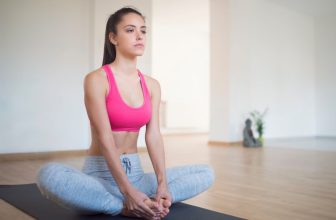
2. Start with simple postures: This could be as basic as seated meditation or gentle neck stretches. Ensure your pose feels comfortable, yet slightly challenging.
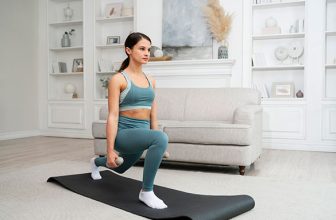
3. Gradually increase your practice: As your body adapts to the practice, slowly introduce more yoga poses and extend the duration of your sessions.
A sample beginner’s routine could include deep breathing exercises, neck and shoulder stretches, and the child’s pose. Remember, your yoga routine is personal and should align with your pain relief goals.
Section 4: Maintaining Consistency With Yoga
Track your progress over time. Take note of your initial level of stiffness or tension and evaluate any changes over weeks or months. Use a journal or mobile app to keep track. Share your journey and goals with supportive friends or a yoga community. Having a support system will not only keep you accountable but also motivated.
Conclusion
Whether your goal is to alleviate tension, reduce stiffness, or merely promote overall wellness, incorporating a routine of specific yoga poses can contribute significantly towards pain relief. Start by establishing a consistent, manageable routine and remember that improvements may take time, but they are indeed possible.
Have you considered making a small commitment to begin your journey with yoga for pain relief? See what even just five minutes of daily practice can do for your body and mind. As you incorporate yoga for pain relief, remember that you’re investing in your overall health and well-being—one breath, one pose, one thought at a time.
Now, isn’t that a soothing thought to hold onto?