

Arthritis is a condition that affects millions of people worldwide, causing joint pain, stiffness, and reduced mobility. While there are different types of arthritis, including osteoarthritis and rheumatoid arthritis, they all share common symptoms that can make daily activities challenging. Many individuals seek natural ways to manage their discomfort, and one effective solution is yoga. The gentle movements, stretches, and breathing techniques in yoga can help improve flexibility, reduce stiffness, and promote overall well-being.
How Yoga Benefits Arthritis Patients
Reducing Joint Stiffness and Pain
Arthritis often leads to stiffness in the joints, making movement uncomfortable or even painful. Yoga incorporates gentle stretching and mobility exercises that help increase circulation, bringing warmth and fluidity to the joints. This can ease discomfort and enhance range of motion.
Improving Flexibility and Strength
A common concern among individuals with arthritis is the loss of flexibility. Yoga helps lengthen and strengthen muscles, which supports the joints and reduces strain on affected areas. By maintaining a regular yoga practice, arthritis patients can improve their mobility and make everyday activities easier.
Enhancing Circulation and Reducing Inflammation
Inflammation is a key factor in arthritis pain, and yoga can help reduce it by improving blood circulation. Poses that encourage movement and deep breathing help oxygenate the body, flushing out toxins and reducing inflammation in the joints.
Stress Reduction and Pain Management
Living with arthritis can be stressful, and stress can exacerbate pain and discomfort. Yoga’s emphasis on mindfulness, breath control, and relaxation techniques helps reduce stress levels. When the mind is calm, pain perception decreases, allowing individuals to better manage their symptoms.
Best Yoga Poses for Arthritis Relief
Gentle Warm-Up Poses
Before starting any yoga practice, it’s important to warm up the body and prepare the joints for movement.
Cat-Cow Stretch (Marjaryasana-Bitilasana)
This pose gently mobilizes the spine, increases flexibility, and warms up the back and neck. Moving between an arched back (Cow) and a rounded back (Cat) helps lubricate the spine and reduce stiffness.
Seated Side Stretch
Sitting with legs crossed or extended, slowly reach one arm overhead and lean to the side. This stretch lengthens the side body and gently opens the ribcage, allowing for deeper breaths and improved circulation.
Joint-Friendly Yoga Poses
Child’s Pose (Balasana)
This restorative pose helps stretch the lower back, hips, and knees while promoting relaxation. By resting the forehead on the mat, individuals can ease stress and tension.
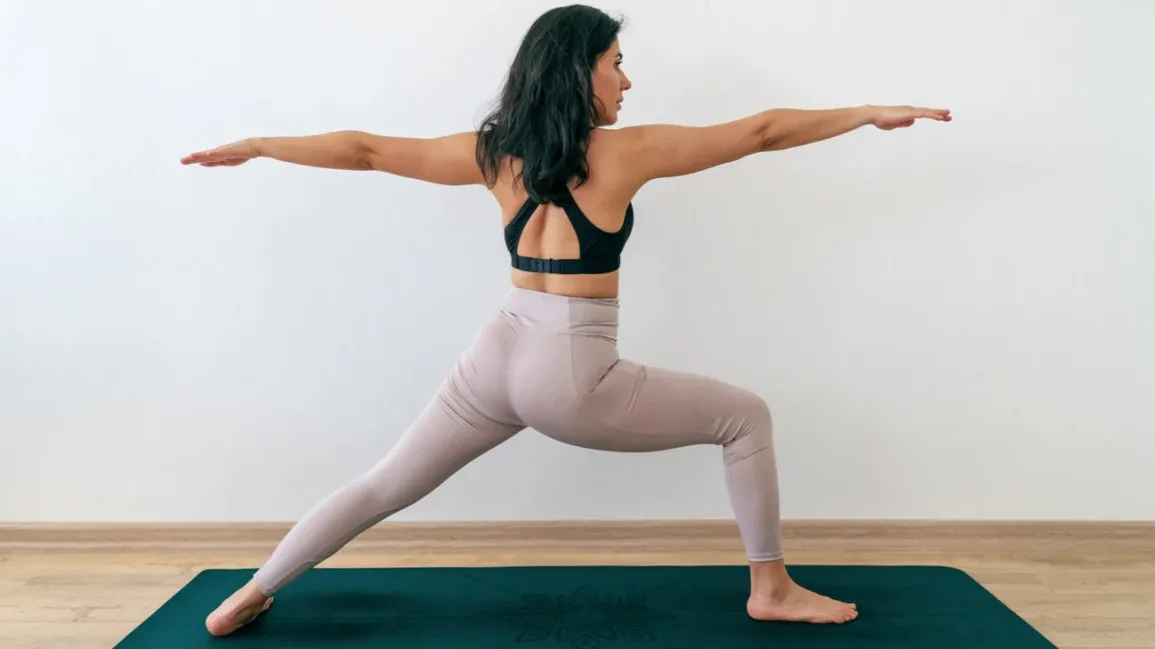
Warrior II (Virabhadrasana II)
This standing pose strengthens the legs and core while improving balance. A wide stance helps distribute weight evenly, reducing pressure on the joints.
Tree Pose (Vrksasana)
For those experiencing arthritis in the lower body, Tree Pose can improve balance and strengthen the muscles surrounding the knee and ankle joints. If balancing is difficult, practicing near a wall for support can help.
Cooling Down and Relaxation Poses
Legs Up the Wall (Viparita Karani)
This pose encourages blood flow, reduces swelling, and alleviates tension in the lower body. It’s an excellent way to end a yoga practice and promote deep relaxation.
Savasana (Corpse Pose)
Lying flat on the back with arms relaxed by the sides allows the body to absorb the benefits of the practice. Focusing on deep breathing helps release any residual tension and promotes healing.
Creating a Safe and Effective Yoga Routine
Choosing the Right Yoga Style
Not all yoga styles are suitable for individuals with arthritis. Gentle yoga, restorative yoga, and chair yoga are excellent choices as they focus on slow movements, deep breathing, and relaxation.
Listening to Your Body
It’s essential to practice yoga at your own pace and modify poses as needed. Using props like yoga blocks, bolsters, and straps can make certain poses more accessible and comfortable.
Incorporating Breathwork and Meditation
Deep breathing techniques, such as diaphragmatic breathing and alternate nostril breathing, help calm the nervous system and reduce pain perception. Meditation can further enhance relaxation and mindfulness, providing emotional support for managing arthritis.
Conclusion
Yoga for arthritis offers a natural and effective way to manage joint pain, improve flexibility, and enhance overall well-being. By incorporating gentle movements, breathwork, and relaxation techniques, individuals with arthritis can experience reduced stiffness, increased mobility, and a greater sense of peace. Whether practiced in a studio or at home, yoga provides a sustainable approach to arthritis management, helping individuals lead a more active and fulfilling life.


