

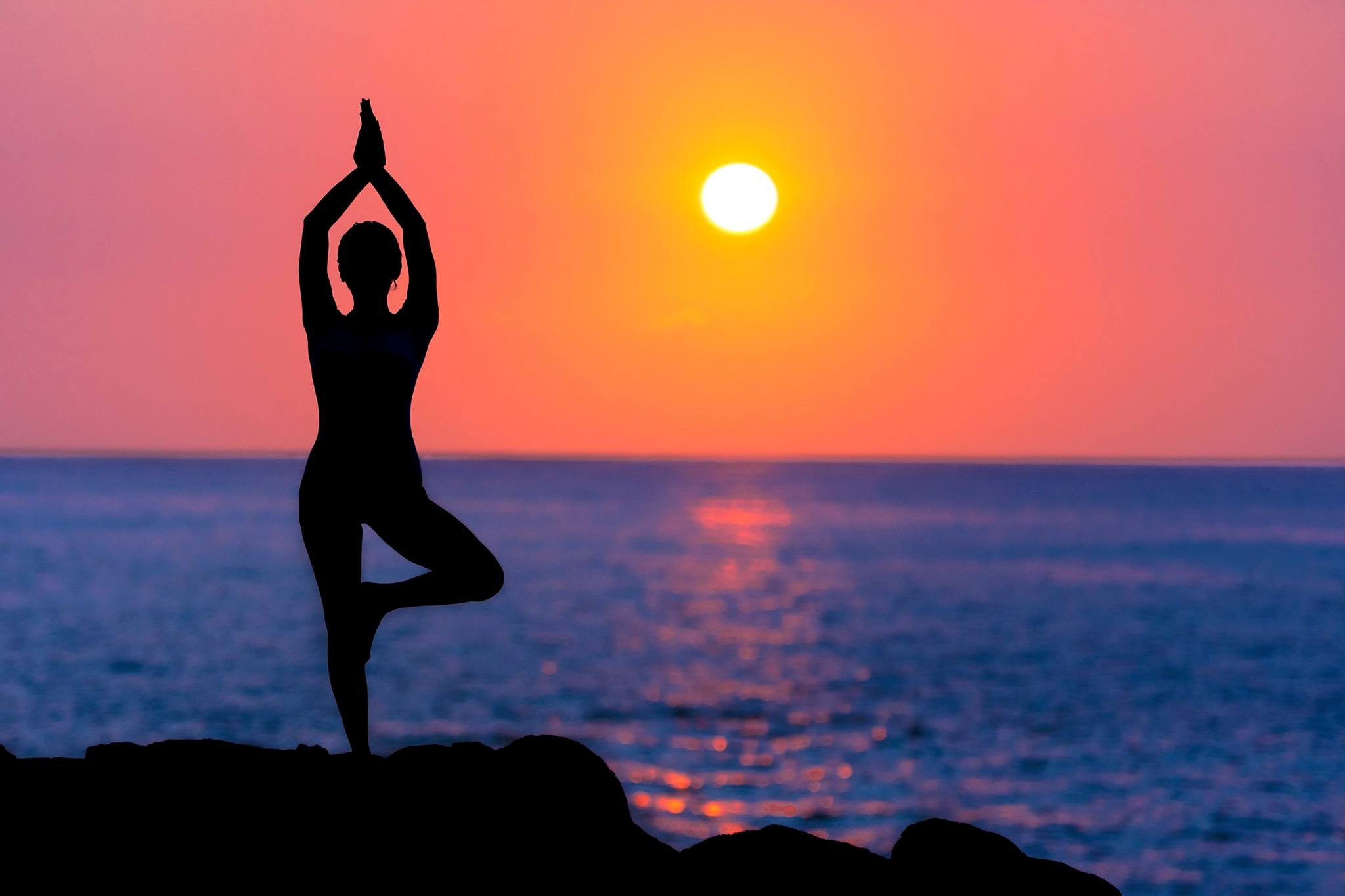
In today’s fast-paced world, stress and anxiety have become common issues for many people. The constant demands of work, family, and social responsibilities can leave us feeling overwhelmed. While there are many ways to manage stress, yoga for anxiety and stress is a powerful and natural approach that combines physical movement, breathing techniques, and mindfulness to promote relaxation and mental clarity.
Yoga has been practiced for thousands of years as a holistic way to maintain both physical and mental well-being. Unlike other forms of exercise, yoga emphasizes the connection between the mind and body, making it an ideal practice for those struggling with anxiety and stress. Whether you are new to yoga or an experienced practitioner, integrating it into your daily routine can have profound effects on your overall health.
Understanding the Impact of Anxiety and Stress
How Stress Affects the Body
When we experience stress, our bodies enter a fight-or-flight response, releasing cortisol and adrenaline. While this reaction is helpful in emergencies, chronic stress can lead to long-term health issues, including:
- High blood pressure
- Insomnia
- Digestive problems
- Weakened immune system
- Muscle tension and headaches
The Link Between Anxiety and Mental Health
Anxiety is more than just feeling nervous before a big event. It can manifest as excessive worry, panic attacks, and an inability to focus. Over time, unmanaged anxiety can interfere with daily life and even contribute to depression. Practicing yoga for anxiety and stress can help regulate the nervous system and bring a sense of balance to both the mind and body.
How Yoga Helps with Anxiety and Stress
The Science Behind Yoga and Relaxation
Yoga works by activating the parasympathetic nervous system, which is responsible for the body’s relaxation response. Through slow movements, deep breathing, and meditation, yoga helps lower cortisol levels and promotes a state of calm. Studies have shown that regular yoga practice can reduce symptoms of anxiety, improve mood, and enhance overall well-being.
The Role of Breathwork
One of the key components of yoga is pranayama, or controlled breathing. Breathing exercises help calm the mind and reduce stress by slowing down the heart rate and increasing oxygen flow to the brain. Techniques such as deep belly breathing, alternate nostril breathing, and humming bee breath can be particularly effective in managing anxiety.
Best Yoga Poses for Anxiety and Stress Relief
Gentle Yoga Poses to Calm the Mind
Child’s Pose (Balasana)
- Encourages relaxation by gently stretching the back and hips.
- Helps slow the breath and reduce tension.
Cat-Cow Pose (Marjaryasana-Bitilasana)
- Improves flexibility while promoting rhythmic breathing.
- Helps release tension from the spine and neck.
Standing Forward Bend (Uttanasana)
- Calms the nervous system and relieves stress.
- Stretches the hamstrings and encourages deep breathing.
Restorative Yoga Poses for Deep Relaxation
Legs Up the Wall Pose (Viparita Karani)
- Helps improve circulation and reduce fatigue.
- Promotes a sense of calm by slowing the heart rate.
Corpse Pose (Savasana)
- Encourages complete relaxation of the body and mind.
- Often used at the end of a yoga session to integrate the practice.
Incorporating Meditation and Mindfulness
Guided Meditation for Anxiety Relief
In addition to yoga poses, meditation plays a significant role in reducing stress and anxiety. Guided meditations that focus on breath awareness, positive affirmations, and visualization can help center the mind and create a sense of inner peace.
Practicing Mindfulness in Everyday Life
Mindfulness involves staying present in the moment and letting go of worries about the past or future. Simple mindfulness practices, such as focusing on the breath while eating or taking a few minutes to stretch during the day, can help maintain a calm and centered state of mind.
Creating a Yoga Routine for Anxiety and Stress Management
Tips for Building a Consistent Practice
- Start Small: Even 10-15 minutes of yoga a day can make a difference.
- Create a Comfortable Space: Choose a quiet, calming environment for your practice.
- Listen to Your Body: Avoid pushing yourself into challenging poses; focus on what feels good.
- Use Props: Blocks, bolsters, and blankets can provide additional support for relaxation.
- Practice Regularly: Consistency is key to experiencing the full benefits of yoga for anxiety and stress.
Recommended Time of Day for Yoga Practice
- Morning: Helps set a positive tone for the day and reduces morning anxiety.
- Midday: A great way to reset and reduce work-related stress.
- Evening: Prepares the body and mind for restful sleep.
Conclusion
Yoga for anxiety and stress is an effective and natural way to achieve balance and relaxation in daily life. Through mindful movement, breathwork, and meditation, yoga offers a holistic approach to mental well-being. By incorporating yoga into your routine, you can experience a profound shift in how you handle stress, leading to a more peaceful and centered life. Whether you are looking for gentle stretches, deep relaxation, or guided meditation, yoga provides the tools you need to navigate life’s challenges with greater ease. Start today and discover the transformative power of yoga in your journey toward inner calm.


