

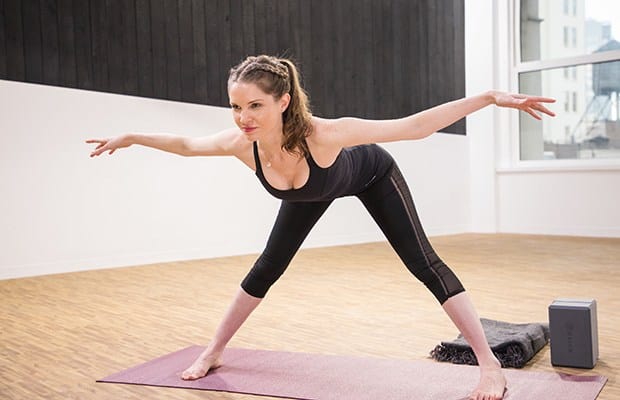
Pregnancy is a transformative period in a woman’s life, bringing both excitement and challenges. As the body undergoes significant physical and hormonal changes, finding ways to stay active while maintaining relaxation and balance is crucial. Yoga and pregnancy go hand in hand, offering a gentle yet effective way to support overall well-being during this special time. Whether you’re an experienced yogi or a beginner, practicing yoga during pregnancy can provide numerous benefits for both the body and mind.
The Benefits of Yoga During Pregnancy
Physical Benefits
- Improves Flexibility and Strength: Prenatal yoga helps maintain muscle tone and flexibility, which can be beneficial for the growing belly and changing posture.
- Eases Back Pain: Many pregnant women experience back pain due to the extra weight carried in the front of the body. Yoga helps strengthen core muscles and improve posture, reducing discomfort.
- Enhances Circulation: Gentle movements and stretches increase blood flow, reducing swelling and improving overall circulation.
- Aids in Digestion: Yoga poses can alleviate bloating and constipation, which are common pregnancy complaints.
- Prepares the Body for Labor: Practicing yoga regularly can help strengthen pelvic floor muscles and improve stamina for childbirth.
Mental and Emotional Benefits
- Reduces Stress and Anxiety: Pregnancy can be an emotional time, and yoga encourages mindfulness, deep breathing, and relaxation to help manage stress.
- Improves Sleep Quality: Regular yoga practice promotes relaxation, helping expectant mothers get better rest.
- Encourages Connection with the Baby: Focusing on breath and movement allows for a deeper bond between mother and baby.
- Boosts Mood: Yoga releases endorphins, which can help counteract mood swings and feelings of overwhelm.
Safe Yoga Practices for Pregnant Women
Modifications for Each Trimester
First Trimester
- Focus on gentle stretching and breathing exercises.
- Avoid overheating by practicing in a well-ventilated space.
- Be mindful of fatigue, as energy levels can fluctuate.
Second Trimester
- Use props like bolsters and blocks to support balance as the belly grows.
- Avoid deep backbends or poses that compress the abdomen.
- Gentle hip openers and side stretches can be particularly beneficial.
Third Trimester
- Prioritize relaxation and deep breathing techniques.
- Focus on seated or standing poses rather than lying flat on the back.
- Practice gentle hip movements to help prepare for labor.
Poses to Avoid
- Deep Twists: These can compress the abdomen and restrict circulation.
- Intense Backbends: They may strain the lower back and overstretch ligaments.
- Inversions: Avoid poses like headstands or shoulder stands, as they may cause dizziness or imbalance.
- Lying Flat on the Back: This can put pressure on the vena cava, reducing blood flow to the baby.
Best Yoga Poses for Pregnancy
First Trimester
- Cat-Cow Pose: Improves spinal flexibility and reduces back pain.
- Butterfly Pose: Gently opens the hips and increases circulation.
- Seated Forward Fold: Promotes relaxation and gentle stretching of the lower back.
Second Trimester
- Warrior II: Builds strength and stability.
- Side Angle Pose: Provides a deep yet safe stretch for the sides and legs.
- Tree Pose: Helps with balance as the center of gravity shifts.
Third Trimester
- Goddess Pose: Strengthens the legs and prepares the body for labor.
- Child’s Pose: Relieves lower back pain and promotes relaxation.
- Squats with Support: Helps open the pelvis and strengthen the legs in preparation for childbirth.
Breathing Techniques for Pregnancy
- Ujjayi Breath: A slow, controlled breath that promotes relaxation and focus.
- Nadi Shodhana (Alternate Nostril Breathing): Balances the nervous system and reduces stress.
- Deep Belly Breathing: Encourages oxygen flow and prepares the body for labor.
The Role of Meditation in Pregnancy Yoga
Meditation can be a powerful tool for expectant mothers. Practicing mindfulness and guided meditation helps reduce anxiety, enhances emotional well-being, and fosters a sense of calm. Spending just a few minutes each day focusing on breath and positive affirmations can create a more peaceful pregnancy experience.
Practicing Yoga Safely During Pregnancy
- Listen to Your Body: Every pregnancy is different, so it’s important to modify poses as needed.
- Use Props: Blocks, bolsters, and straps can offer additional support.
- Avoid Overexertion: Keep movements gentle and focus on stability rather than intensity.
- Stay Hydrated: Drink plenty of water before and after practice.
- Consult with Your Doctor: Always check with your healthcare provider before starting or continuing a yoga routine during pregnancy.
Conclusion
Yoga and pregnancy complement each other beautifully, offering a holistic approach to physical, mental, and emotional well-being. With proper modifications and a focus on gentle movements, expectant mothers can enjoy a safe and effective yoga practice throughout their pregnancy journey. Whether you’re looking to ease discomfort, prepare for childbirth, or simply relax, yoga provides a nurturing space to connect with your changing body and growing baby. Embracing yoga during pregnancy can lead to a healthier and more balanced experience, benefiting both mother and child.


