

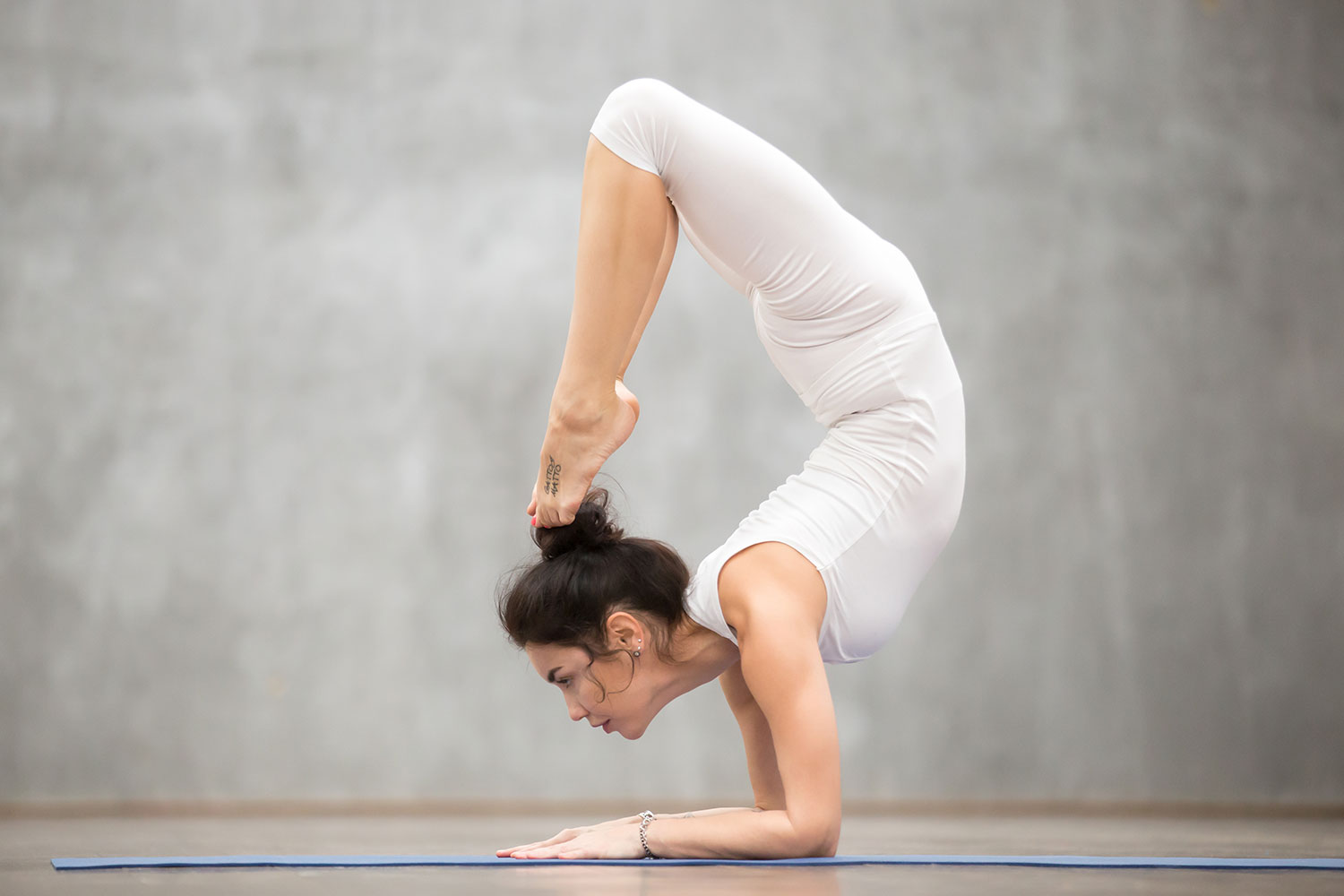
Deciding what to wear to yoga can be a bit overwhelming, especially if you’re new to the practice. With so many different styles of yoga and a wide range of activewear options available, it’s important to choose clothing that supports movement, comfort, and breathability. Whether you’re attending a fast-paced Vinyasa class, a relaxing Yin session, or practicing yoga at home, wearing the right attire can make a significant difference in your experience.
Factors to Consider When Choosing Yoga Attire
Comfort and Fit
Yoga requires a full range of motion, so wearing clothes that are too tight or restrictive can hinder your practice. On the other hand, overly loose clothing can get in the way during certain poses. The best yoga attire should fit comfortably, allowing you to move freely without distractions.
Breathability and Fabric
Since yoga often involves sweating, it’s essential to wear fabrics that are breathable and moisture-wicking. Materials like cotton blends, bamboo, and synthetic fabrics designed for workouts can help keep you dry and comfortable. Avoid heavy fabrics that trap heat, especially for hot yoga classes.
Flexibility and Stretch
Since yoga involves stretching and deep movements, your clothing should have enough elasticity to move with you. Look for materials with a good amount of stretch, such as spandex or Lycra blends, to ensure ease of movement.
Support and Coverage
Proper support is essential, especially for women. A well-fitting sports bra that provides enough support without being too restrictive is ideal. Additionally, choosing clothing that provides adequate coverage ensures that you feel confident and comfortable in all poses.
Essential Yoga Clothing Items
Yoga Tops
- Fitted Tank Tops or T-Shirts: Opt for form-fitting tops that won’t ride up during inversions or forward bends.
- Moisture-Wicking Fabrics: Look for breathable materials that help manage sweat.
- Built-In Bras: Some yoga tops come with built-in support, which can be helpful for lighter practices.
Yoga Bottoms
- Leggings or Yoga Pants: These are a popular choice due to their flexibility and full coverage. High-waisted leggings can provide extra support and comfort.
- Yoga Shorts: Great for hot yoga or those who prefer less coverage. Make sure they stay in place during movement.
- Harem Pants: Loose-fitting and breathable, these are ideal for restorative or gentle yoga classes.
Sports Bras
- Medium to High Support: Depending on your bust size and the intensity of your practice, choose a sports bra that provides the necessary support.
- Breathable Material: Look for bras with mesh panels or moisture-wicking fabric to keep you cool.
Additional Layers
- Lightweight Jackets or Wraps: If you’re heading to a class in cooler weather, a light jacket or wrap can keep you warm before and after practice.
- Sweatshirts or Hoodies: Ideal for post-yoga relaxation or Shavasana.
Choosing Yoga Attire Based on Yoga Style
Hot Yoga
- Breathable, moisture-wicking fabrics are essential.
- Lightweight tank tops and yoga shorts work best.
- Avoid thick or cotton-based materials that retain moisture.
Vinyasa or Power Yoga
- Form-fitting clothing is best to prevent distractions.
- Leggings and fitted tops help ensure ease of movement.
- Choose stretchy and breathable fabrics to support dynamic movements.
Restorative or Yin Yoga
- Loose and comfortable clothing works well.
- Harem pants or soft leggings paired with a cozy top can enhance relaxation.
- Layering is a good idea, as these styles of yoga involve long-held poses that may lead to feeling cooler over time.
Outdoor or Beach Yoga
- Consider sun-protective clothing if practicing outdoors.
- Light and breathable fabrics help with temperature regulation.
- Avoid overly loose clothing that could be affected by wind.
Accessories and Footwear
Yoga Socks
- While yoga is typically practiced barefoot, some people prefer grippy yoga socks for extra traction.
- These are useful in colder weather or when practicing on slippery floors.
Hair Accessories
- A headband or hair tie can help keep hair out of your face.
- Choose soft, non-slip options that won’t dig into your head during practice.
Jewelry
- It’s best to keep jewelry minimal, as rings, bracelets, and necklaces can interfere with poses.
- Small stud earrings or a simple wristband are usually fine.
Common Mistakes to Avoid
- Wearing Cotton-Based Clothing: Cotton absorbs sweat and can become heavy and uncomfortable.
- Choosing Clothes That Are Too Loose or Too Tight: Find a balance to ensure both comfort and ease of movement.
- Neglecting Support: A good sports bra and supportive leggings can make a big difference.
- Forgetting About Layering: Having a lightweight jacket or wrap can be helpful, especially for slower yoga styles.
Conclusion
Deciding what to wear to yoga is about finding the right balance of comfort, flexibility, and breathability. Whether you’re a beginner or an experienced yogi, choosing attire that supports movement and confidence can enhance your practice. Opt for breathable fabrics, well-fitting tops and bottoms, and supportive accessories to ensure a comfortable and distraction-free yoga session. Ultimately, what you wear should allow you to focus on your practice rather than adjusting your clothing, making your yoga experience more enjoyable and fulfilling.


