

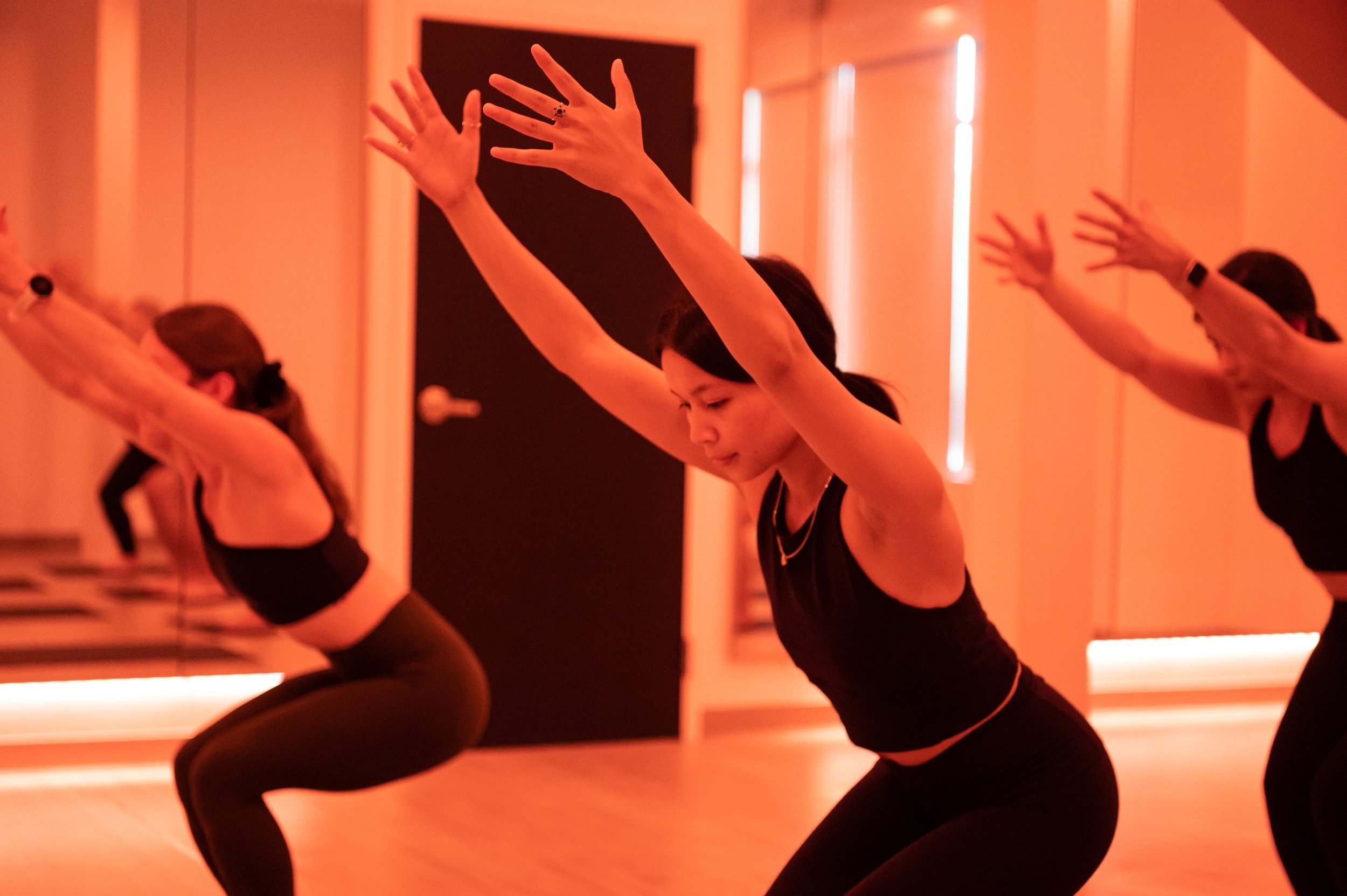
What Is Power Yoga? Exploring This Dynamic Practice
Introduction
You’ve likely heard of power yoga, whether in passing conversation, at your local gym, or during a quick scroll through Instagram. But what exactly is power yoga? How does it differ from other types of yoga? And most importantly, is it right for you? Let’s delve into this dynamic practice that’s setting the fitness world abuzz.
Firstly, Do You Find Yourself Seeking More Strength, Flexibility, and a Cardiovascular Workout in your Yoga routine?
Section 1: What is Power Yoga?
Power yoga is a vigorous, fitness-based approach to vinyasa-style yoga, typically faster-paced than traditional yoga practices. While an offshoot of Ashtanga Yoga, Power Yoga often does not stick to the strict sequence of poses that Define Ashtanga style. Born in the 90s, it was initially developed to appeal to athletes and those interested in a more vibrant workout while still getting the mental and spiritual benefits of yoga.
Section 2: The Benefits of Power Yoga
Practicing power yoga comes with numerous benefits for both your mind and body. Ranging from enhanced flexibility to improved cardiovascular health.
Physical Benefits:
Building strength: Power yoga focuses on dynamics and shifting poses which helps in improving muscle tone.
Boosting cardiovascular health: The up-tempo pace of power yoga classes gets your heart pumping, providing a good cardiovascular workout.
Increased Flexibility: Regular practice of power yoga will enhance your overall flexibility, and core strength.
Mental Benefits:
Stress Relief: The focus on breath and moving meditation helps reduce anxiety levels and promotes mindfulness.
Improved Focus: The mental discipline needed during practice often translates into other areas of daily life.
Enhanced Mind-Body Connection: A consistent power yoga practice strengthens the connection between mind, body, and spirit.
Section 3: Is Power Yoga For You?
Power yoga is suitable for someone seeking a more vigorous workout and a heavy sweat. It can be a great addition to your fitness routine if you’re looking for strength, flexibility, and weight management.
It is important to note that while Power Yoga is adaptable to many fitness levels, beginners may find the pace and posture transitions challenging at first. It is advisable to have a basic understanding of traditional yoga poses before jumping into a power yoga class.
Section 4: How to Practice Power Yoga?
Step 1: Find a class: many studios offer power yoga classes. Make sure to read descriptions and choose a class that matches your fitness level.
Step 2: Start slow: Remember, it’s okay to rest in child’s pose if the pace becomes too much. Be gentle with yourself and trust that your strength will build over time.
Step 3: Practice Regularly: To get the most benefit from power yoga, regular practice is key. Aim for at least 2-3 times a week.
Section 5: Advantages and Disadvantages of Power Yoga
Power appears to be perfect, but there are few potential downsides too.
Advantages:
Improved muscle tone and cardiovascular health.
Stress Relief and better mental health.
Enhanced Flexibility and Balance.
Disadvantages:
Risk of injury due to the fast pace.
Not suitable for everyone, especially those with certain injuries or health conditions.
It’s always recommended to consult a healthcare provider before starting any new fitness routine.
Conclusion
Power Yoga is a dynamic and challenging practice that combines the mental benefits of traditional yoga with the physical benefits of a cardiovascular workout. Whether you’re an athlete looking for cross-training or somebody looking to add some vigor to your fitness routine, Power Yoga may be just the thing for you. Always remember to listen to your body and modify as necessary. Who knows? This could be the practice that leads to your best physical and mental self.
Are you ready to try power yoga? Share your thoughts in the comments below!


