

Patanjali Yoga is one of the most influential systems of yoga that has shaped the practice and philosophy of yoga as we know it today. Rooted in ancient Indian wisdom, this approach to yoga is based on the teachings compiled by the sage Patanjali in his famous Yoga Sutras. The Yoga Sutras provide a structured path to self-discipline, mindfulness, and enlightenment, offering practical guidance on how to lead a balanced and harmonious life.
For those wondering what is Patanjali Yoga, it is essential to recognize that it is not merely a set of physical exercises but a comprehensive system that integrates the mind, body, and spirit. Unlike modern yoga styles that often emphasize physical postures, Patanjali Yoga is a philosophical and spiritual discipline aimed at achieving inner peace and self-realization through a structured eightfold path.
The Eight Limbs of Patanjali Yoga
Patanjali Yoga is based on the Eightfold Path, also known as Ashtanga Yoga. Each limb serves as a step toward ultimate liberation and self-awareness.
1. Yama – Ethical Principles
Yama refers to the ethical guidelines that practitioners should follow in their daily lives. These include non-violence, truthfulness, non-stealing, celibacy, and non-possessiveness. By following these principles, individuals create a strong moral foundation that fosters inner peace and harmony with others.
2. Niyama – Personal Disciplines
Niyama consists of personal observances such as cleanliness, contentment, self-discipline, self-study, and surrender to a higher power. These disciplines help individuals cultivate positive habits and self-awareness, enabling them to progress on their spiritual journey.
3. Asana – Physical Postures
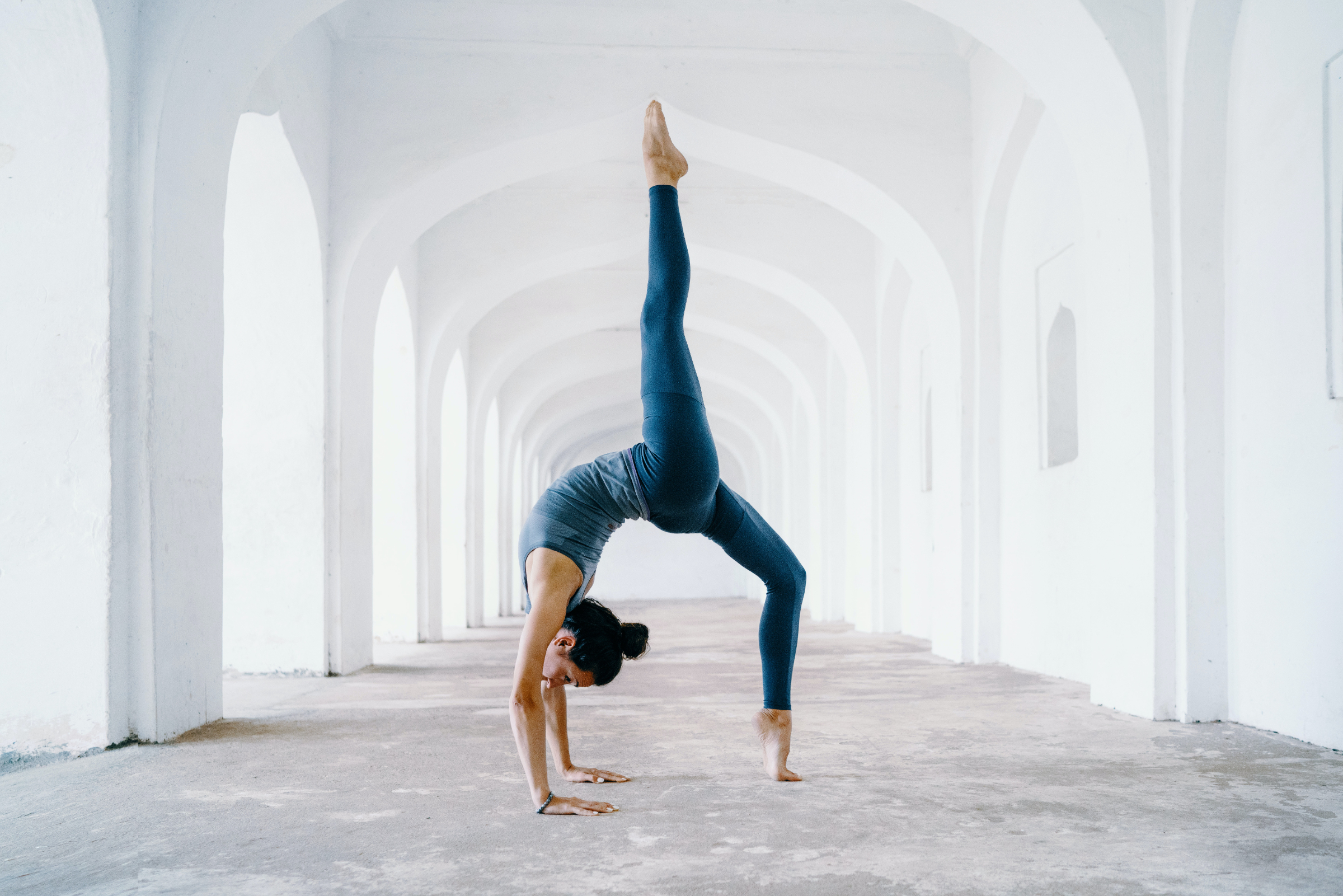
Asana refers to the practice of physical postures, which is the most well-known aspect of yoga today. In Patanjali Yoga, the goal of asanas is not merely physical fitness but creating a stable and comfortable seat for meditation. Patanjali emphasized the importance of achieving stillness and ease in physical postures to prepare the body for deeper meditative states.
4. Pranayama – Breath Control
Pranayama involves the regulation of breath to enhance energy flow and mental clarity. Through techniques such as deep breathing, alternate nostril breathing, and breath retention, practitioners learn to harness their life force, or prana, which is essential for physical and mental well-being.
5. Pratyahara – Withdrawal of Senses
Pratyahara is the practice of turning one’s focus inward by withdrawing from external distractions. It allows individuals to cultivate mindfulness and detach from sensory stimulations that often lead to restlessness and stress.
6. Dharana – Concentration
Dharana refers to concentration or single-pointed focus. Practitioners train their minds to remain steady on an object, thought, or mantra, which strengthens their ability to stay present and cultivate mental clarity.
7. Dhyana – Meditation
Dhyana is the continuous and uninterrupted practice of meditation. By developing a meditative mind, individuals experience deep inner peace and heightened awareness, bringing them closer to self-realization.
8. Samadhi – Enlightenment
Samadhi is the ultimate goal of Patanjali Yoga, representing a state of spiritual liberation and unity with the divine. In this state, practitioners transcend the limitations of the ego and experience pure bliss and oneness with the universe.
How Patanjali Yoga Differs from Other Yoga Styles
When exploring what is Patanjali Yoga, it is helpful to understand how it differs from modern yoga styles. Unlike many contemporary yoga practices that focus primarily on physical postures and flexibility, Patanjali Yoga emphasizes inner transformation, self-discipline, and the path to enlightenment.
Most modern yoga styles incorporate aspects of Patanjali’s teachings but often place more emphasis on fitness, relaxation, and stress relief. While these benefits are valuable, the original teachings of Patanjali go far beyond the physical realm, offering a comprehensive spiritual roadmap that integrates the mind, body, and soul.
The Relevance of Patanjali Yoga in Modern Life
Despite being an ancient practice, Patanjali Yoga remains highly relevant in today’s fast-paced and stressful world. The structured approach outlined in the Yoga Sutras offers timeless wisdom that can help individuals navigate modern challenges, cultivate inner peace, and improve overall well-being.
Enhancing Mental Clarity and Focus
The practices of meditation and concentration help individuals develop sharper mental clarity and focus. In an age where distractions are abundant, the ability to remain present and mindful is invaluable.
Managing Stress and Anxiety
Breath control techniques and meditation play a significant role in reducing stress and anxiety. By learning how to regulate the breath and quiet the mind, individuals can cultivate a greater sense of calm and emotional stability.
Promoting Holistic Well-Being
Unlike conventional fitness programs that focus solely on the physical body, Patanjali Yoga promotes holistic well-being by addressing mental, emotional, and spiritual health. This comprehensive approach allows individuals to lead a more balanced and fulfilling life.
Practical Steps to Incorporate Patanjali Yoga into Your Life
If you are interested in integrating Patanjali Yoga into your daily routine, here are some practical steps to get started:
Start with Ethical Principles
Before diving into advanced practices, focus on adopting ethical principles such as non-violence, truthfulness, and self-discipline. These foundational values help create a strong moral framework for personal growth.
Establish a Consistent Practice
Consistency is key when it comes to yoga. Set aside time each day for breath control, meditation, and mindful movement. Even a few minutes of practice can lead to profound changes over time.
Incorporate Meditation
Meditation is at the heart of Patanjali Yoga. Begin with short meditation sessions and gradually increase the duration as you build comfort and concentration.
Seek Guidance from Experienced Teachers
If you are new to Patanjali Yoga, seeking guidance from experienced teachers or studying the Yoga Sutras can provide deeper insights and a structured approach to practice.
Conclusion
For those wondering what is Patanjali Yoga, it is a holistic and transformative system that goes beyond physical postures to encompass ethical principles, breath control, concentration, and meditation. Rooted in ancient wisdom, this practice remains a powerful tool for self-awareness, stress management, and spiritual growth. By embracing the teachings of Patanjali, individuals can cultivate a balanced and fulfilling life, achieving both inner peace and a deeper connection with the universe.


