

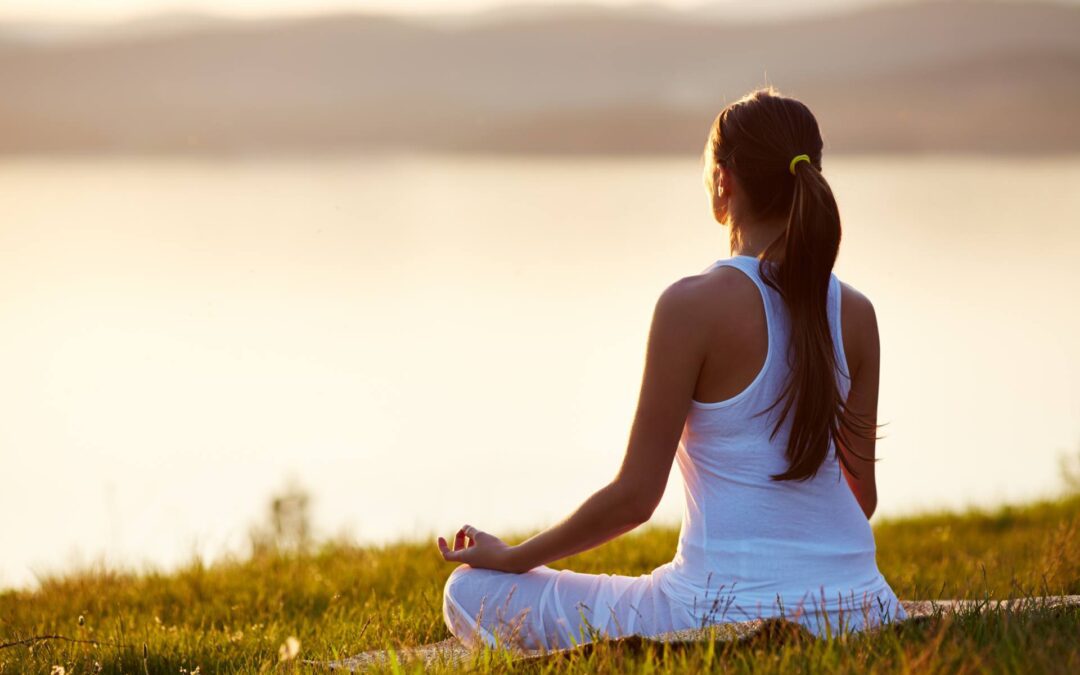
The Role of Meditation in a Holistic Yoga Practice
Introduction
Do you find yourself struggling to fully reap the benefits of your yoga practice? Or have you ever wondered why seasoned yogis always emphasize the importance of not just the physical aspect of yoga, but also the inward journey? If these questions resonate with you, then it’s time to explore the pivotal role of meditation in a holistic yoga practice. By the end of this blog post, you will understand how meditation elevates your yoga experience, offering you a deeper and more authentic connection with yourself. So, are you ready to transcend the physical realm and dive into the world of meditation?
Section 1: Unpacking Meditation
While yoga primarily concerns itself with postures and flows—often referred to as asanas—meditation focuses on training the mind, cultivating awareness, and achieving a mentally clear and emotionally calm state. At its core, meditation is a multifaceted practice deeply rooted in ancient traditions, with countless variations that accommodate different preferences and complexities. Practices might include mindfulness meditation, loving-kindness meditation, Zen meditation, transcendental meditation, and more. Regardless of the type, all forms of meditation can seamlessly fuse with your yoga routine to create a holistic practice.
Section 2: The Rich Tapestry of Benefits
Much like yoga, meditation boasts an impressive array of benefits for both the mind and body. Regular meditation can help reduce stress, anxiety, and depression while boosting psychological attributes such as attention span, memory, and mental clarity. Physically, it can enhance the immune system, lower blood pressure, and even improve sleep patterns. Studies have shown that individuals who meditate regularly report lower levels of stress and improved emotional well-being, among other benefits. It’s clear that folding meditation into your yoga practice can deeply enrich your overall wellness journey.
Section 3: Integrating Meditation into Your Yoga Practice
Just as with yoga poses, the first step in embracing meditation is simply to start—preferably with short, manageable sessions. You can begin by adding five minutes of focused breathing or mindful meditation at the end of your yoga routine. Gradually, with time and perseverance, you can increase the duration and complexity of your meditation. Remember, the aim is not to attain a state of perfection but to embark on a journey of self-discovery and inner peace.
Section 4: Nourishing Consistency
Keeping consistent with your integrated yoga and meditation practice is one of the most effective ways to create lasting habits and realize tangible benefits. You can motivate yourself by setting personal goals, tracking your progress, or even finding a meditation buddy. On days when things don’t go as planned, remember to be patient with yourself—it’s all part of the journey.
Conclusion
In essence, yoga is more than just perfecting your asanas—it’s a comprehensive practice that harmoniously unites the mind, body, and soul. Incorporating meditation into your yoga routine cultivates a rich, holistic experience that not only benefits your physical health but also nurtures your mental and emotional well-being. So, are you ready to challenge yourself and add meditation to your yoga repertoire? Remember, it’s not about perfectly silent meditation sessions but the brave act of turning inward and getting to know yourself on a deeper level—one breath at a time.
Over the coming weeks, we encourage you to make meditation a regular part of your yoga practice and observe the transformation that unfolds. Please feel free to share your experiences in the comments. After all, each of our journeys is unique and sharing them can undoubtedly inspire and motivate others on their own paths. Here’s to a rejuvenating and enlightening exploration of your newfound holistic practice. Namaste!


