

The History and Philosophy Behind Yoga: A Beginner’s Guide
Introduction
Have you ever found yourself captivated by the calm serenity of a yogi in meditation or pose and wondered about the origin of their tranquility? Would you like to explore the roots of yoga and begin your own journey towards serenity? Yoga has been practiced for thousands of years and is much more than the postures on your yoga mat. This article will serve as your compass, guiding you through the historical pathways that have shaped yoga, right up to its modern-day philosophy that you can incorporate into your life.
Section 1: Birth and Early Development of Yoga
Dating back to over 5,000 years, the enchanting practice of yoga originates from the ancient Indian subcontinent. The word “yoga” comes from the Sanskrit “Yuj,” which means to yoke or bind, symbolizing union. Initially, yoga was a spiritual guide used to help individuals towards self-realization, extending beyond physical exercises. It was a way of life aimed at achieving liberation (Moksha) from the cycles of birth and death. The tradition was passed down through word of mouth from teachers to disciples, and its early teachings were eventually compiled in the Vedas, the oldest scriptures of Hinduism.
Section 2: Classical Yoga and the Emergence of Patanjali
The classical era of yoga was defined by Patanjali’s Yoga Sutras, dating around 2nd century BCE. He is credited with organizing the practice of yoga into an “eight-limbed path” (Ashtanga) containing the steps and stages leading to enlightenment. These included ethical standards, self-discipline, posture, breath control, withdrawal from the senses, focus, meditation, and pure contemplation. This philosophical framework is still at the core of most yoga practices today.
Section 3: Evolution of Yoga in Modern Times
In the late 19th and early 20th century, yoga found its way to the western world. Pioneers like Swami Vivekananda journeyed to Europe and America, introducing yoga as a method of wellness, strength, and healing. Since then, yoga has evolved and diversified, culminating in a multitude of styles, from Vinyasa and Ashtanga to Yin and Restorative yoga, each retaining elements of meditation and breath work.
Section 4: Philosophical Practices and Their Benefits
Yoga is not only about achieving a perfect pose but learning how to manage the mind and the breath. The yoga philosophy proposes peace as the highest value (Samadhi) and emphasizes our interconnectedness with nature and living beings. Regular yoga practice can induce physical benefits, like increased flexibility, strength, and posture, as well as inner benefits, like stress relief, vital energy balance, and improved mental clarity. A study by the National Institutes of Health even cites yoga as an effective method in reducing chronic low-back pain.
Section 5: Starting Your Yoga Journey
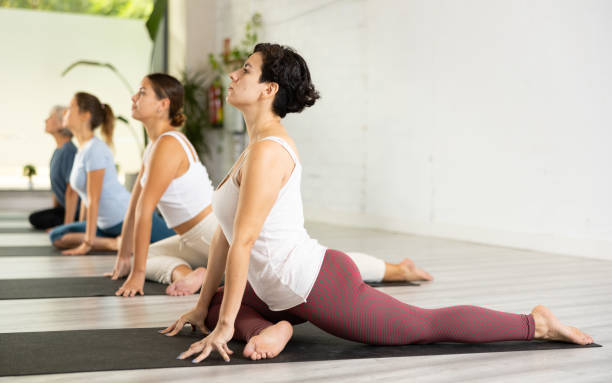
Every yoga journey is unique. Start with setting an intention: perhaps it is flexibility, gaining inner peace, or becoming more connected to nature. Find a beginner’s class and let your instructor guide you. Whether you choose to join a local studio or learn at home with online resources, consistency is key. Start with simple poses and gradually incorporate more challenging poses and breathing techniques. Remember, yoga is not just about the poses but the journey of self-discovery and awareness.
Conclusion
Yoga is an ancient practice laced with a rich and enlightening history, serving as a pathway to self-realization and inner peace for millennia. From the yogic sages in ancient India to the bustling yoga studios worldwide, the philosophy of yoga has been retained, focusing on the union and harmony between mind, body, and soul. As a beginner, embrace the yoga journey as a continuous learning and personal growth experience. Rest assured that every pose and breath takes you one step closer to well-being. You are never a spectator but an active participant in the ceaseless dance of yoga. Dream, breathe, and begin your journey.
Remember, the practice of yoga does not demand perfection; it only asks for your presence. So, will you take this step towards a healthier, more balanced you? Share your thoughts and yoga aspirations in the comments. Enjoy the journey and allow the ancient wisdom of yoga to guide you towards well-being and inner peace.


