

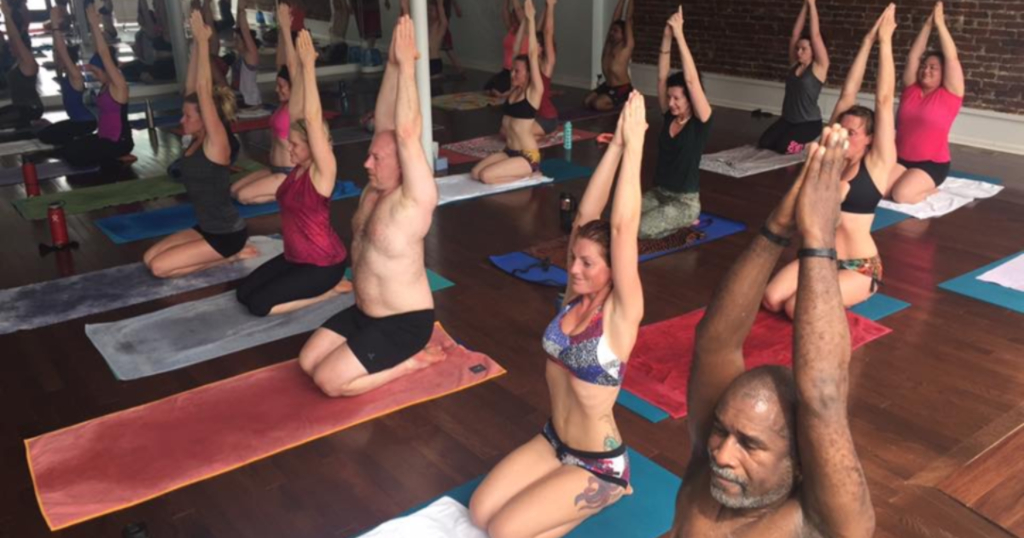
Opening a yoga studio is an exciting endeavor that allows you to share your passion for yoga while building a community of like-minded individuals. Whether you’re an experienced instructor or an entrepreneur with a love for wellness, creating a welcoming and successful yoga studio requires careful planning, dedication, and a deep understanding of your vision. From selecting the perfect location to designing a serene atmosphere, every step you take will contribute to your studio’s long-term success.
Defining Your Vision and Purpose
Identifying Your Mission
Before you begin the logistical process of opening a yoga studio, take time to clarify your mission. Ask yourself what type of yoga experience you want to provide and how you envision your studio impacting the community. Whether you focus on traditional practices, modern flows, or specialized classes like prenatal or restorative yoga, having a clear mission will help you shape your business.
Understanding Your Target Audience
Your yoga studio should cater to the needs of your ideal clientele. Consider whether you want to attract beginners, advanced practitioners, corporate professionals, or specific groups such as seniors or athletes. Understanding your audience will guide your choices in class offerings, pricing, and marketing strategies.
Choosing a Unique Selling Point
With many yoga studios in existence, differentiating yourself is key. Your unique selling point could be anything from a specialized yoga style, eco-friendly space, holistic wellness programs, or community-building initiatives. Having a distinct identity will help you stand out in a competitive market.
Finding the Right Location
Evaluating Potential Spaces
The location of your yoga studio plays a crucial role in its success. Look for areas with high foot traffic, easy accessibility, and ample parking. A quiet, peaceful neighborhood can enhance the overall experience for your students.
Considering the Space Layout
The size and layout of your studio should accommodate your vision. Think about room for mats, props, changing areas, reception space, and possibly a small retail section. Ensure there’s adequate ventilation, natural light, and a soothing ambiance.
Negotiating Lease Terms
Once you find a suitable location, negotiate favorable lease terms. Consider factors such as rent costs, lease duration, renovation permissions, and utilities. Seeking professional advice from a real estate expert can help you make informed decisions.
Designing a Peaceful and Functional Space
Creating a Calming Atmosphere
Your yoga studio should be a sanctuary where students can disconnect from the outside world. Use warm, earthy tones, natural materials, and soft lighting to cultivate a sense of tranquility. Adding elements like indoor plants, essential oils, and minimalistic decor can enhance the peaceful vibe.
Investing in High-Quality Equipment
Providing quality yoga mats, blocks, straps, and bolsters ensures students have a comfortable experience. Consider eco-friendly and sustainable options to align with yoga’s philosophy of mindfulness and respect for the environment.
Ensuring Proper Ventilation and Acoustics
A well-ventilated space is essential for breathwork and relaxation. If possible, incorporate windows that allow fresh air circulation. Additionally, soft acoustics and calming background music contribute to a soothing atmosphere.
Legal and Financial Considerations
Registering Your Business
Legal requirements for opening a yoga studio vary by location, so ensure you comply with local business regulations. Registering your business, obtaining necessary licenses, and setting up appropriate tax structures will safeguard your studio’s operations.
Securing Insurance
Liability insurance is a must for yoga studios. It protects your business in case of accidents or injuries during classes. Research different insurance providers to find coverage that best suits your needs.
Budgeting for Start-Up Costs
Opening a yoga studio requires an initial investment. Consider expenses such as rent, equipment, marketing, and payroll if you’re hiring instructors. Creating a detailed budget helps prevent financial stress and ensures smooth operations.
Structuring Your Class Offerings and Pricing
Planning Your Class Schedule
A well-balanced class schedule caters to different student needs. Offering morning, evening, and weekend classes accommodates various lifestyles. Additionally, incorporating a mix of beginner, intermediate, and advanced classes ensures inclusivity.
Determining Pricing Models
Your pricing should reflect the value you offer while remaining competitive. Consider membership packages, drop-in rates, and introductory promotions to attract students. You may also explore online classes or hybrid models to expand accessibility.
Hiring Qualified Instructors
If you plan to employ other yoga teachers, hiring skilled and passionate instructors is key. Their teaching style, energy, and expertise should align with your studio’s mission. Conducting auditions or trial classes can help you find the right fit.
Marketing and Building a Community
Establishing an Online Presence
A strong online presence is crucial for attracting students. Create a professional website with class schedules, pricing, and instructor bios. Utilize social media platforms to engage with potential clients, share yoga tips, and promote events.
Hosting Open House Events
Hosting a grand opening event or free community classes can generate buzz and attract local yogis to your studio. Offering trial classes gives people a chance to experience your teaching style before committing.
Partnering with Local Businesses
Collaborating with wellness-focused businesses, such as spas, cafes, or fitness centers, can help cross-promote your services. Establishing partnerships expands your network and strengthens your community connections.
Maintaining Long-Term Success
Providing Excellent Customer Experience
Ensuring students feel welcomed and valued encourages retention. Personalized interactions, remembering students’ names, and creating a supportive environment foster a sense of belonging.
Adapting to Industry Trends
The yoga industry is constantly evolving, with new trends such as virtual classes, corporate wellness programs, and specialized workshops. Staying informed and adapting your offerings can keep your studio relevant.
How Opening a Yoga Studio Can Be a Fulfilling Journey
Opening a yoga studio is more than just a business—it’s a meaningful journey of sharing yoga’s benefits with others. By carefully planning, creating a welcoming space, and fostering a strong community, you can build a studio that thrives for years to come. Whether you’re just starting out or refining your vision, embracing this journey with dedication and authenticity will lead to a fulfilling and successful venture.


