Title: Yoga for Emotional Healing and Trauma Recovery: Moving Beyond Pain with Breath and Movement
Introduction
Have you ever felt that life’s stresses or painful experiences are too overwhelming to handle? Or have you ever yearned for a platform that supports emotional healing and trauma recovery? If your answer is yes, yoga might be the answer you’re looking for. By the end of this blog, we’ll explore how the ancient practice of yoga can help you navigate your healing journey. Ready to explore a new path towards emotional freedom?
Section 1: Emotional Healing through Yoga
Yoga is a centuries-old practice often associated with flexibility, balance, and physical well-being. But did you know that yoga can also be a powerful tool for emotional healing? It provides a safe space for you to explore your mind-body connection and to heal and recover from emotional pain. Multiple studies, such as a 2017 research in the Journal of Clinical Psychology, have also shown that yoga is beneficial for managing stress, reducing anxiety, and improving mood.
Life isn’t immune from emotional distress, and at times, those feelings can seem overwhelming. Here, yoga can play a crucial role, proving to be therapeutic by fostering self-awareness, promoting relaxation, and enhancing resilience. Moreover, yoga helps decrease the body’s cortisol levels, the hormone associated with stress, thereby boosting emotional tranquility.
Section 2: Tackling Trauma Recovery with Yoga
Trauma can leave lasting impacts on the body and mind, often manifesting in anxiety, depression, post-traumatic stress disorder, and a disrupted sense of self. Fortunately, yoga can emerge as a powerful ally in the journey toward trauma recovery.
The concept of “Embodied Self-Awareness” in yoga, involving the conscious attention to one’s physical body and its sensations, fosters a sense of connection and harmony between body and mind. Yoga encourages trauma survivors to reconnect with their bodies, which they might have started viewing as the source of pain.
The Trauma Center at the Justice Resource Institute even incorporates yoga to help clients build a tolerance for challenging physical sensations and to foster a greater sense of ownership over their bodies.
Section 3: Setting the Stage for Yoga-based Emotional Healing
Integrating yoga for emotional healing and trauma recovery in your routine might seem like a giant leap for beginners. Here are some steps to guide you in your journey:
1. Start with Seeking Professional Guidance: Enlist the help of a yoga instructor skilled in trauma-sensitive yoga or a mental health professional experienced in somatic therapies. Remember, managing trauma is complex, so personal assistance can be immensely beneficial.
2. Create a Safe Space: Choose a calm, comfortable space for your yoga sessions where you won’t be easily disturbed. The environment plays a crucial role in your healing journey.
3. Gradual and Comfort-Driven Approach: Begin with basic, gentle poses, and gradually add more complex ones as you get comfortable. A great starting point is the Savasana (Corpse Pose), which promotes physical relaxation and emotional release.
4. Incorporate Pranayama: Pranayama, or controlled breathing exercises, are vital in yoga. Techniques like Anulom-Vilom (Alternate Nostril Breathing) can induce relaxation and reduce anxiety.
Section 4: Sustaining the Practice
Consistency is key to reap the benefits of yoga. Here are a few tips to keep you motivated:
1. Track Your Practice: Documenting your progress can motivate you and serve as a tangible reminder of your journey. It is normal to have ups and downs.
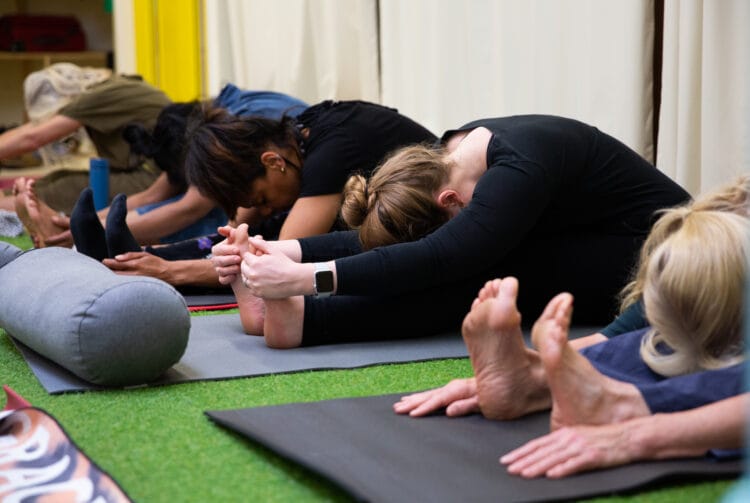
2. Join a Community: Being part of a yoga group or community can be spiritually enriching and can offer emotional support during your traumatic healing process.
3. Practice Mindfulness: Yoga and mindfulness go hand in hand. Embrace yoga as a mindfulness practice to stay present and focused during the sessions.
Conclusion
Yoga offers a holistic approach of integrating mind-body-spirit to foster emotional healing and assist trauma recovery. Thus, it’s not just about flexing and stretching but about releasing and healing. Remember, the journey of healing is unique to each individual, so listen to your body and progress at your own pace.
Ready to start your healing journey with yoga? Share with us your experiences, perceptions, or any doubts you have about yoga for emotional healing and trauma recovery. Remember, every breath you take brings you closer to healing and self-discovery. Because, healing is not linear, it is a journey of self-love and resilience. Dive in, take that deep breath, and let the healing begin.