Title: Unraveling the Power of Yoga: A Path to Overcoming Anxiety and Depression
Introduction
In the hustle and bustle of modern life, pausing for a moment to breathe seems like luxury. Our mental health often takes a back seat as we navigate through life’s ups and downs. Yet, increasing reports of anxiety and depression indicate that mental well-being is a concern that cannot be ignored. Have you ever felt imprisoned by your anxiety, or chained in the relentless grip of depression? If your answer is yes, this blog post may serve as your guide to journey towards a more peaceful state of mind. Stick around till the end, and you may discover that the key to peace and tranquility has been within your reach all along.
Section 1: The Transformative Power of Yoga
Often misconstrued as merely an exercise form, yoga is a holistic discipline uniting mind, body, and spirit. Woven into its philosophy are techniques that can significantly mitigate anxiety and depression. According to a Harvard research study, yoga modulates the body’s response to stress, thereby easing symptoms of anxiety and depression.
Consider the story of Lisa, who found her life spiraling out of control due to crippling panic attacks. Within six months of practicing yoga, her attacks decreased drastically in frequency and intensity. Stories such as Lisa’s are commonplace and underlines the life-changing potential of yoga in managing mental health conditions.
Section 2: Tackling the Roadblocks
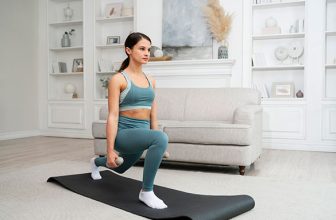
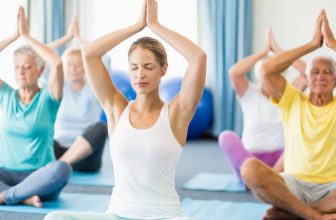
Taking the first step towards anything new can often be the most challenging. Maybe you feel the weight of constraints like lack of time, health concerns, or even apprehension about your flexibility level. The good news? Adapting yoga to your specific situations is definitely possible. The practice can be customized to your needs – from quick 15-minute routines, low impact exercises for beginners, to chair and bed yoga for those with mobility issues. And remember, yoga isn’t simply about touching your toes – it’s about what you learn on the way down.
Section 3: Stepping into a Yogic Routine
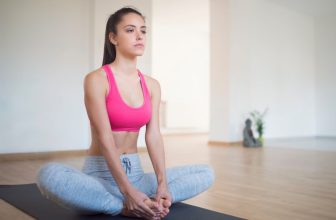
Starting yoga may seem overwhelming, but it isn’t. Begin by choosing a time when you can devote 10-15 minutes uninterrupted. A typical starter routine can include deep breathing exercises (Pranayama), followed by easy poses like the Mountain pose (Tadasana) or the Child’s pose (Balasana). Remember, the journey of yoga is slow and steady, gradually intensifying with time.
Section 4: The Art of Persistence
Staying consistent with yoga will require patience and determination. But once you see its impact, there will be no looking back. Motivate yourself with progress tracking, set milestones, or better still, team up with a friend for daily sessions. Understand that yoga isn’t a quick fix; it’s a lifestyle change working towards holistic well-being. There will be days when you might skip the routine, and that’s alright. Yoga teaches us self-compassion – the ability to amiably accept ourselves where we are, right at this moment.
Conclusion
Yoga is your ally in the battle against anxiety and depression, transforming not just your body, but your mind and spirit. Starting a yoga practice might look bridging an insurmountable gap initially, but nearly everyone who took that first step towards the mat came out stronger and happier. And so can you. So how about starting slow and steady with a promise to include just ten minutes of yoga in your routine from tomorrow? Share how you feel after a week in the comments below. Always remember, as we deepen our breath, we deepen our life. Ignite the flame of yoga in your life, one pose and one breath at a time.