*Introduction*
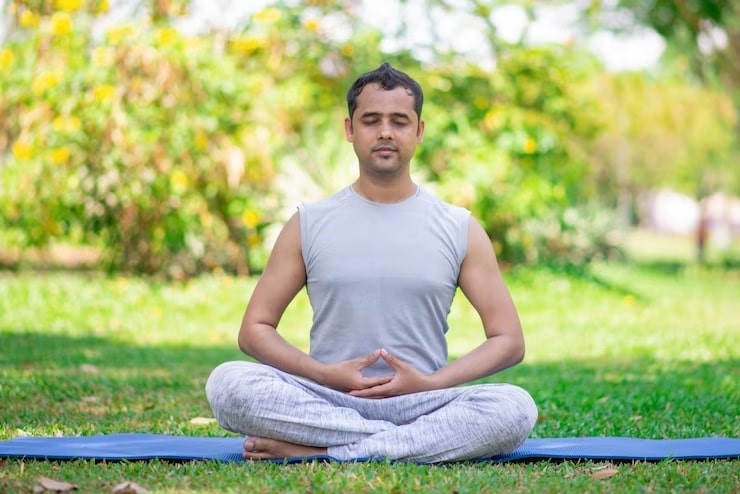
Contrary to popular belief, the journey to peace is not an elusive expedition to a hidden place. It is a journey inward—a reflective pilgrimage to our own conscientious core. Stressed? Overwhelmed? How often do you stop, quiet your mind, breathe deeply, and dip into that pool of calm that resides within you? This inner peace is not as elusive or far away as you may think. So, **how can you tap into this inner peace?** The answer lies in the ancient practices of yoga and meditation.
*Section 1: Understanding Inner Peace*
Inner peace implies a harmony, balance, and composure within the self that can weather the external storms of life. Expert psychiatrist, Dr. Neel Burton, explains that “Inner peace refers to a deliberate state of psychological or spiritual calm despite the potential presence of stressors.”
And while this tranquility is innate in all of us, accessing it might require some training and practice. This is where yoga and meditation emerge as the facilitators for helping us connect with our serene center.
*Section 2: The Impact of Yoga and Meditation on Inner Peace*
Yoga and meditation have been long recognized as effective stress relievers with benefits extending far beyond physical well-being. A Harvard Health publication states that “during the practice of yoga, you learn to pay attention to your breath and your body, which shifts the balance from the sympathetic nervous system and the stress response, to the parasympathetic system and the relaxation response.”
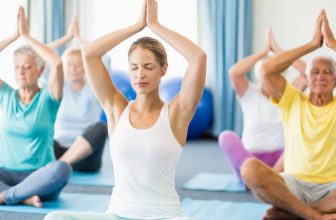
These practices guide us to mindfully tune in to our bodies, focus our minds, and cultivate an overall sense of tranquility. By continually practicing yoga and meditation, you can see substantial benefits in your ability to handle stress and cultivate a sense of inner calm.
*Section 3: Incorporating Yoga and Meditation in Your Life*
Now that we understand why yoga and meditation can be beneficial let’s look at how to incorporate them into your daily routine to connect with your inner peace.
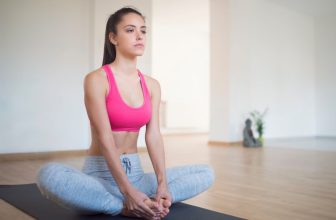
1. **Create A Ritual:** The first step is to create a daily time slot dedicated to your yoga and meditation practices. Ideally, it would be best to practice in the morning, as it can jumpstart your day on a positive note.
2. **Choose A Quiet Space:** Ensure the space you choose for practicing is quiet and can accommodate your yoga practice comfortably.
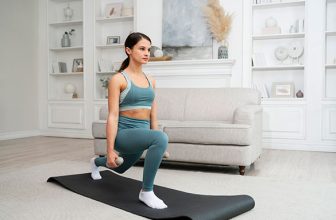
3. **Start Small:** Begin with just a few minutes each day for meditation and simple, basic yoga poses. Over time, you can gradually extend the minutes of your practice.
4. **Focus On Your Breath:** Both during yoga and meditation, your focus should primarily be on your breath. Your breath can serve as a bridge helping to link the mind, body, and spirit.
*Section 4: Maintaining Consistency*
Finally, remember consistency is key. The more consistently you practice, the easier it will become to access your state of inner peace. As noted yoga instructor, Rod Stryker, famously said, “The only way yoga doesn’t work is if you don’t do it.”
Remember your goal with yoga and meditation should not be perfection, but progress. Enjoy the journey rather than focusing solely on the destination to truly experience the tranquility these practices can bring.
*Conclusion*
In the fast-paced world of today, finding moments of peace might seem almost impossible. But with the consistent practice of yoga and meditation, you can dive deep within yourself and connect with the oasis of calm that resides within you. A simple ten-minute per day commitment can serve as your gateway to this profound inner peace. So, why not take a small step today towards connecting with the immense tranquility resting within you?
After all, as the ancient saying goes, “Peace does not mean to be in a place where there is no noise or hard work. It means to be in the midst of those things and still be calm in your heart.” Yoga and meditation can help you do just that. Why not give it a try today? Share your experiences in the comments and let’s journey towards inner peace together—one breath at a time!