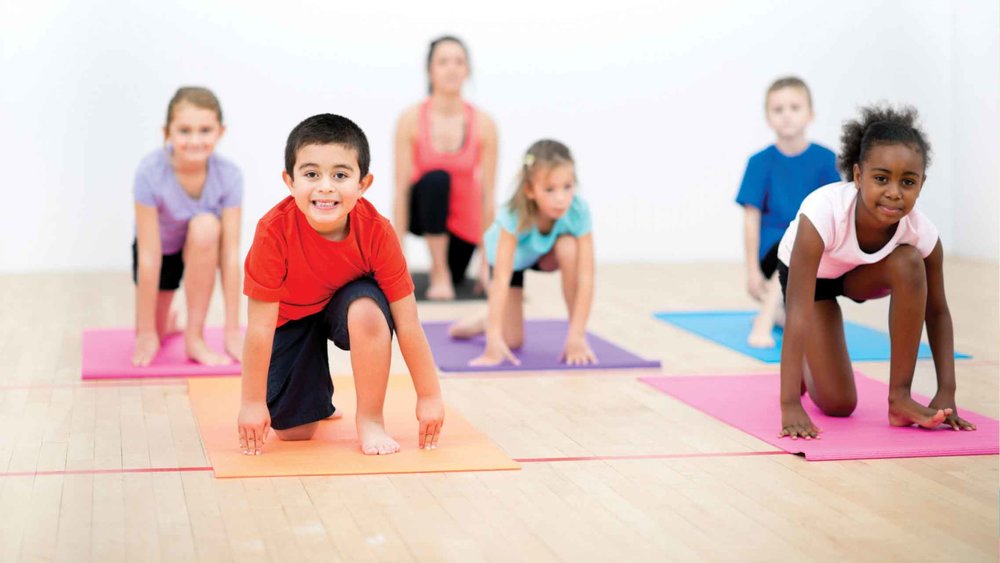
**How to Teach Yoga to Children: A Step-by-Step Guide**
**Introduction**
Ever thought about what yoga can do for your child? Many might argue that the practice is specifically tailored for adults, but that’s not entirely true. Yoga can offer wonderful benefits to children, wrapping them up in a world of fun, fitness, and mindfulness. So, how do we go about teaching yoga to children? If you’re scratching your head wondering exactly that, this in-depth guide will walk you through the process.
**Why Teach Yoga to Kids?**
Before teaching yoga to children, it’s important to understand the benefits it can provide. For children, yoga can be a tool to develop important skills like self-awareness, attention, and calmness. Not only does it promote physical strength and flexibility, but it also supports mental well-being and stress relief.
Research shows that yoga can significantly improve children’s physical and cognitive abilities. For instance, a study published in ‘The Indian Journal of Physiology and Pharmacology’ stated that children practicing yoga performed better in balance and coordination tasks. It also reported an increase in their attention span and reduction in hyperactivity.
This gentle activity also offers a safe and non-competitive environment for children. Stories of children overcoming anxiety, restlessness, and even ADHD through yoga are not uncommon. Such experiences show that yoga can treat a range of physical and emotional issues that affect children today.
**Getting Started with Kids Yoga**
So, how do you start teaching yoga to children? The challenges you face might be different for each child, perhaps in terms of their age, interest, attention span, and so on. However, here are some general steps and tips to guide you through.
**1. Simplify Yoga Practices**
Children have different abilities and threshold compared to adults. Start the yoga instructions by simplifying the poses. Make instructions clear, simple, and easy to follow. Using names that kids can relate to, like animal names, can make the poses more engaging. For example, refer to Adho Mukha Svanasana as ‘Puppy Pose’ instead of the traditional ‘Downward Facing Dog’.
**2. Make Yoga Fun**
Ensure the yoga sessions are fun to keep the children engaged. You can incorporate storytelling, games, music, and colorful props into the yoga classes. For instance, while practicing the tree pose (Vrksasana), tell a story about a tall tree standing sturdy in a storm.
**3. Be Patient & Consistent**
Teaching yoga to children requires patience. Remember, it’s not about perfecting the poses, it’s about letting the children enjoy their yoga journey. Consistency is key, so ensure to practice a little each day, rather than longer sessions occasionally.
**4. Celebrate & Encourage**
Children love to be appreciated! Be an enthusiastic cheerleader on the sidelines, praising them for their efforts. Even small achievements like staying still in child’s pose for two minutes or learning a new pose deserves a pat on the back.
**5. Keep Safety at the Forefront**
While yoga is gentle activity, accidents can still happen especially when little ones are involved. Ensure the environment is safe for your child’s yoga practice. Use soft yoga mats and clear the space of any hard or sharp objects.
**Staying Consistent and Overcoming Challenges**
Almost every parent or teacher can relate to the challenge of maintaining a child’s interest in an activity. When it comes to yoga, this can be especially challenging given its slow and gentle nature. However, consistency is essential for reaping the maximum benefits yogic practices provide.
Here are a few tips to stay motivated and overcome challenges:
1. **Make Yoga a Habit:** Like brushing teeth or eating breakfast, make yoga a part of your child’s daily routine. This habit formation takes time, but is worth the effort.
2. **Involve Your Child in the Planning Process:** Let your child have a say in which poses to practice and when to practice them. This can help increase their interest and commitment towards their yoga practice.
3. **Mix It Up:** Keep your yoga classes exciting and fresh by adding new elements every now and then – a new pose, prop, or story.
4. **Connect with Other Kids Practicing Yoga:** Just like adults, children often enjoy group activities. Find local children’s yoga classes or online communities where even parents can share experiences and tips.
**Conclusion**
Teaching yoga to children can be a rewarding journey filled with laughter, learning, and serenity. The practice not only fosters physical development but also nurtures the seeds of mindfulness and calmness in children.
Remember, seeing the fruits of yoga in terms of physical and mental transformation in your child will take time. The goal is not to make them yoga maestros overnight, but to make them fall in love with yoga at their own pace. With patience, consistency, and a dash of creativity, your little one will be ready to say ‘Namaste’ in no time. Give it a try and share your experience with us.