Blog Post: “How to Practice Yoga for Better Sleep”
Introduction:
Imagine ending your day feeling tranquility and deep contentment as a peaceful slumber waits for you just around the corner. Sounds like a dream, right? But achieving just that might be easier than you think. All it requires is incorporating one simple practice into your daily routine: Yoga. Are you ready to dive into the world of yoga for a better sleep?
Section 1: The Importance of Good Sleep and Benefits of Yoga
Sleep is our body’s ultimate reset button. It provides a much needed respite and helps in restoring balance in our physiology. But what if sleep eludes us? Lack of sleep can lead to an array of health issues like obesity, cardiovascular diseases, and lowered immunity, to name a few.
The ancient practice of yoga offers a palpable solution. Studies show that overall sleep quality significantly improves with the practice of yoga, reducing instances of insomnia, sleep disturbances, and dependence on sleeping medication. Yoga helps in calming the mind, enhancing body awareness, and reducing stress – all of which play crucial roles in enhancing sleep quality.
Section 2: The Best Yoga Poses for Better Sleep
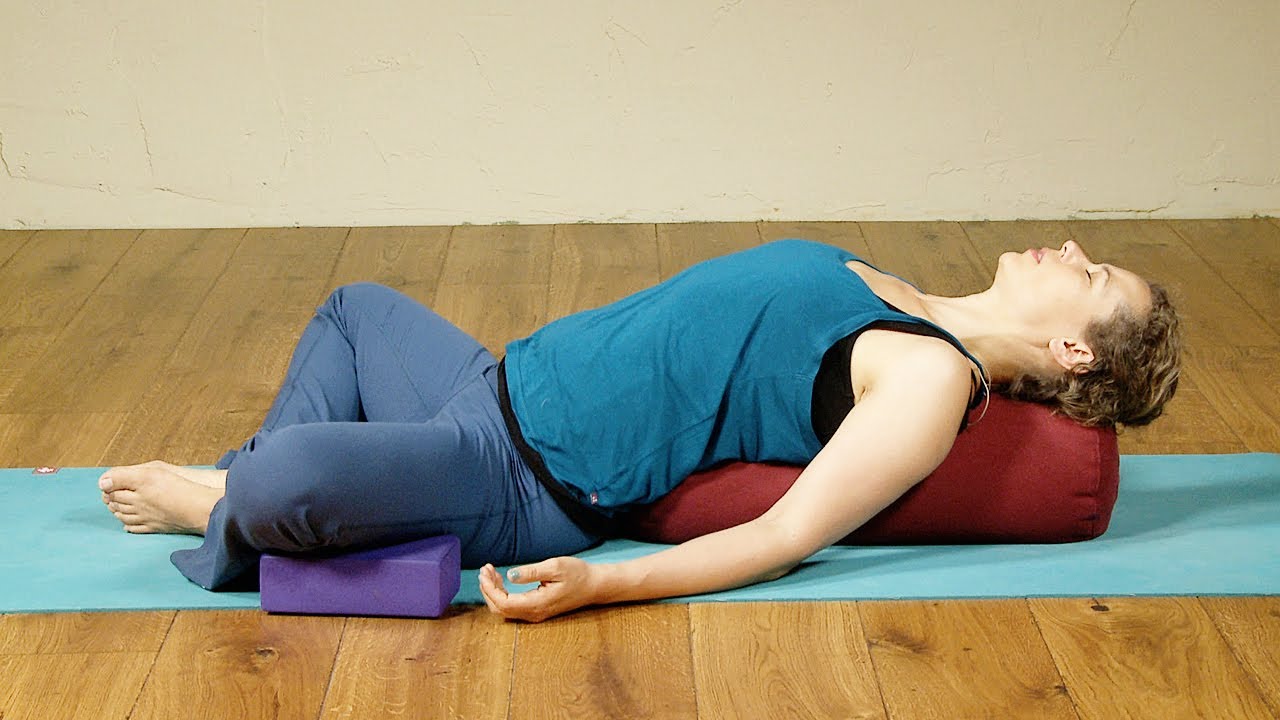
It’s not unknown that different yoga poses have distinct impacts on our physical and mental well-being. Some poses particularly aid in inducing better sleep. Here’s a list of few such poses you can try right at home:
1. Child’s Pose (Balasana): Not only does it relax the back muscles, but it also helps calm the nervous system, leading to a peaceful sleep.
2. Legs-up-the-Wall Pose (Viparita Karani): This restorative pose aids in relieving stress and anxiety, leading to better sleep quality.
3. Corpse Pose (Savasana): As its name suggests, this pose helps in inducing deep relaxation and tranquility, promoting a restful sleep.
A small tip! Supplement these poses with deep, mindful breathing for an added relaxation effect.
Section 3: How to Incorporate Yoga into Your Bedtime Routine
1. Regularity: Endeavor to do yoga each night before bed. Consistency is key. Starting with even 5-10 minutes each day can work wonders.
2. Setting: Create a calm, serene environment. Dim the lights. You could even add some soothing music in the background.
3. Mindfulness: Be mindful about each pose, focusing on your breath, and paying attention to your body’s signals.
Section 4: Tips for Continued Practice
Remember that consistency trumps intensity. Don’t have undue expectations from your body. It is not about perfection or achieving challenging and complex poses—it is about comfort, relaxation, and deep restful sleep.
Create a progression chart for encouragement, tracking your journey, and visualizing your progress. Also, listen to your body, understanding its limits, and lovingly nurturing it for optimum wellbeing.
Conclusion:
Yoga with its manifold benefits including better sleep quality is surely a practice worth imbibing. Not only does it enable you to experience better sleep, but the ripple effects positively impact overall health. So, what are you waiting for? Embrace yoga and awaken to a world where peaceful sleep is not a dream but an everyday reality! And as you embark on this journey, don’t forget to share your experiences in the comment section below. Sweet dreams!
(Note: Information provided herein is based on general research and is not meant as a substitute for professional medical advice. Always consult with a healthcare provider before starting any new health regime.)