Title: How to Practice Restorative Yoga for Deep Relaxation
Introduction
Have you ever felt that the stress of daily life is too much to bear, leaving you exhausted and longing for a deep, restful sleep? You’re definitely not alone. If reducing stress and achieving a sense of tranquility is what you desire, restorative yoga might be the unfound elixir for you. By the end of this blog post, you will have a solid understanding of restorative yoga and its benefits, and you will also have a practical guide to practicing this style of yoga as a means to attain deep relaxation.
Section 1: Understanding Restorative Yoga
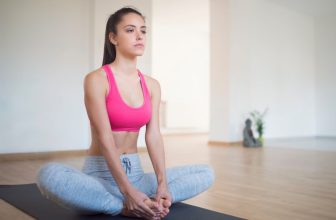
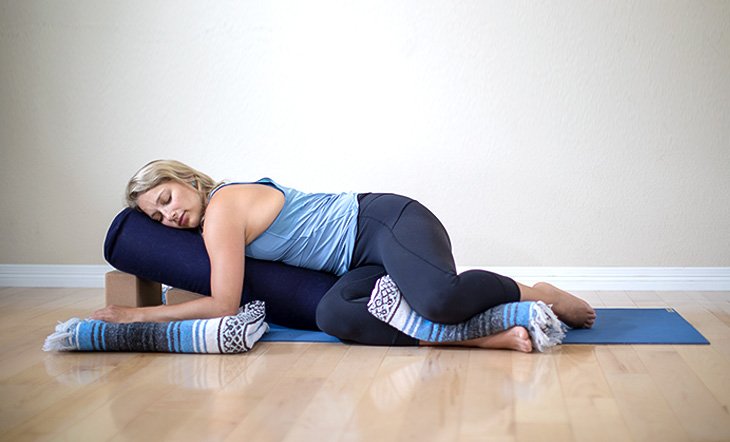
Restorative yoga is a gentle yet powerful practice that adopts the use of props like pillows and blocks to comfortably support the body in yoga poses. Unlike other more intense forms of yoga, restorative yoga emphasizes relaxation and release, typically involving holding poses for longer durations. It provides you with an opportunity to slow down, relax, and restore, making it an excellent type of yoga for stress relief.
One study published in the Medical Research Archives Journal found that regular practice of restorative yoga can significantly reduce stress-related symptoms in adults, including insomnia, body aches, and anxiety. It’s also being recommended by many healthcare professionals for its therapeutic benefits, especially for individuals suffering from chronic diseases or recovering from injuries.
Section 2: Benefits of Restorative Yoga
Restorative yoga offers numerous advantages for physical and mental well-being. Here are some benefits to consider:
1. Reduces Stress: As the name suggests, restorative yoga restores balance to the nervous system, soothing the body’s fight-or-flight stress response and promoting a sense of calm.
2. Improves Flexibility: Slowly and gently stretching the body in yoga poses can noticeably improve flexibility, enhanced by the supportive props that allow for a deeper release.
3. Balances Mind and Body: By focusing on breathing and body awareness, this style of yoga helps to balance the mind and body, enhancing mental clarity and focus.
Section 3: How to Practice Restorative Yoga for Deep Relaxation
Let’s move on to the practical side of restorative yoga. Start with these simple steps:
1. Set up a quiet, relaxing space: Choose a place where you won’t be disturbed, and set the mood with dimmed lights, calming music, or aromatic scents.
2. Gather your props: Depending on the poses, you might need props like bolsters, blocks, blankets, and even a chair.
3. Start with gentle poses: You might begin with a simple pose such as Child’s Pose or Reclining Bound Angle Pose. Make the pose as comfortable as possible using your props, and hold the pose for anywhere from 5 to 20 minutes.
4. Focus on your breath: Throughout the practice, focus on your breathing. Aim for slow, deep breaths that help release tension in your muscles.
Section 4: Tips for a Restorative Yoga Practice
Restorative yoga requires patience and practice. Here are some tips to help you get the most out of your practice:
1. Listen to your body: Always honor how your body communicates to you. If a pose doesn’t feel right, adjust it or choose a different pose.
2. Practice regularly: Consistency is key. You would benefit more from a 15-minute daily practice than an hour once a week.
3. Don’t rush: Remember, restorative yoga is about slowing down, not rushing. Take your time in each pose and enjoy the journey of relaxation.
Conclusion
Restorative yoga’s ability to reduce stress, improve flexibility, and promote a balanced mind and body makes it an incredibly beneficial practice for deep relaxation. By creating a tranquil environment and correctly utilizing yoga props, you can use this practice to melt away tension and stress, and guide yourself towards a restful, refreshing state. Why not give restorative yoga a try today? Remember, the journey of a thousand miles begins with a single breath.