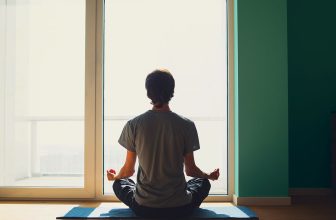
Life can be hectic, and finding time for self-care often falls to the bottom of the priority list. However, incorporating yoga into your daily routine doesn’t have to be time-consuming or complicated. Yoga offers incredible benefits for the body and mind, and even a few minutes of practice each day can improve flexibility, reduce stress, and enhance overall well-being. The key is to make yoga a natural and enjoyable part of your day, rather than a chore that you struggle to fit in.
This guide explores practical and effective ways to integrate yoga into your daily routine, no matter how busy your schedule may be. Whether you’re a beginner or a seasoned yogi, you’ll find tips and insights that will help you make yoga a consistent and rewarding habit.
Understanding the Benefits of Daily Yoga
Physical Benefits of Yoga
Practicing yoga daily improves flexibility, strengthens muscles, and enhances balance. Many poses target core strength, posture, and joint mobility, making it an excellent way to prevent injuries and maintain overall physical health. Regular yoga can also improve digestion, circulation, and respiratory function, leading to increased energy levels throughout the day.
Mental and Emotional Well-being
One of yoga’s most profound benefits is its impact on mental and emotional health. Daily practice helps reduce stress, calm the nervous system, and improve focus. Through mindful breathing and movement, yoga can cultivate a sense of inner peace and resilience, making it easier to handle daily challenges with a balanced perspective.
Boosting Productivity and Focus
Yoga enhances mindfulness, which can improve concentration and cognitive function. When integrated into a daily routine, yoga serves as a reset button, helping to clear mental clutter and increase productivity. Whether practiced in the morning or during work breaks, yoga can enhance efficiency and motivation.
Morning Yoga: Starting Your Day with Intention
Creating a Morning Yoga Ritual
Morning is one of the best times to practice yoga, as it sets a positive tone for the day ahead. You don’t need a long session—just 10 to 15 minutes of mindful movement and breathwork can awaken your body and mind. Set up a designated space with a yoga mat and any props you might need to make it easy to roll out of bed and onto the mat.
Simple Poses to Energize Your Morning
If you’re wondering how to incorporate yoga into your daily routine, starting with gentle stretches in the morning can be a great first step. A few simple postures can help awaken your body:
- Cat-Cow Pose (Marjaryasana-Bitilasana) to wake up the spine
- Downward-Facing Dog (Adho Mukha Svanasana) to stretch the legs and back
- Sun Salutations (Surya Namaskar) to boost circulation and energy
- Seated Forward Fold (Paschimottanasana) to relax the hamstrings and lower back
Even a few mindful stretches can make a big difference in how you feel throughout the day.
Yoga During the Workday
Desk Yoga for Office Workers
Sitting at a desk for long hours can lead to stiffness, poor posture, and mental fatigue. Incorporating yoga during short breaks can counteract these effects and keep you feeling refreshed. Simple movements like seated spinal twists, shoulder rolls, and wrist stretches can help reduce tension and improve circulation.
Using Breathwork for Stress Relief
If a full yoga session isn’t possible during your workday, focusing on pranayama (breath control) can be an effective alternative. Deep breathing exercises, such as Box Breathing (inhale for four counts, hold for four counts, exhale for four counts, hold for four counts), can instantly calm the mind and enhance focus.
Evening Yoga for Relaxation
Unwinding with Gentle Yoga
Ending your day with yoga can help release tension, improve sleep quality, and promote relaxation. If you find yourself struggling to wind down in the evening, a few restorative poses can make a big difference.
- Child’s Pose (Balasana) to ease stress and tension
- Legs Up the Wall Pose (Viparita Karani) to calm the nervous system
- Reclining Butterfly Pose (Supta Baddha Konasana) to stretch the hips and promote deep relaxation
- Corpse Pose (Savasana) to integrate the day’s experiences and fully relax the body
Creating a Yoga-Friendly Evening Routine
Incorporating yoga into your daily routine doesn’t always have to involve intense poses. Simply engaging in mindful breathing, stretching, or meditation before bed can prepare the body and mind for deep rest. Setting a consistent time for your evening practice can make it a habit that feels natural and necessary.
Integrating Yoga into Everyday Activities
Mindful Movement Throughout the Day
Yoga doesn’t always have to take place on a mat. You can incorporate elements of yoga into your daily activities by practicing mindfulness and engaging in conscious movement. For example:
- Standing in Mountain Pose while waiting in line
- Practicing balance poses while brushing your teeth
- Engaging in deep breathing while commuting
- Doing gentle stretches while watching TV
Making Yoga Social
Practicing yoga with others can be a fun and motivating way to stay consistent. Consider joining a yoga class, inviting friends to practice with you, or engaging in virtual yoga sessions. Having a community or accountability partner can help reinforce your commitment.
Overcoming Common Barriers to Daily Yoga
Lack of Time
Many people feel they don’t have enough time for yoga. However, even five to ten minutes of mindful movement or stretching can make a significant impact. Short sessions are better than none, and consistency is more important than duration.
Motivation and Consistency
If motivation is an issue, setting small, achievable goals can help. Try committing to a short daily practice for a week and gradually increasing the time as it becomes a habit. Having a designated yoga space and using reminders can also help keep you on track.
Finding the Right Style
Not every type of yoga suits everyone, so experimenting with different styles can help you discover what resonates with you. If you prefer dynamic movement, Vinyasa or Power Yoga might be best. If you need relaxation, Restorative or Yin Yoga may be more suitable.
Conclusion
Learning how to incorporate yoga into your daily routine is about finding balance and making yoga an enjoyable part of your life. Whether you start with a few stretches in the morning, take breaks for mindful movement at work, or wind down with gentle poses at night, yoga can seamlessly fit into your schedule. By being flexible and open to small, consistent practices, you can experience the full benefits of yoga and cultivate a deeper connection with yourself. Start small, stay consistent, and let yoga enhance your daily life.