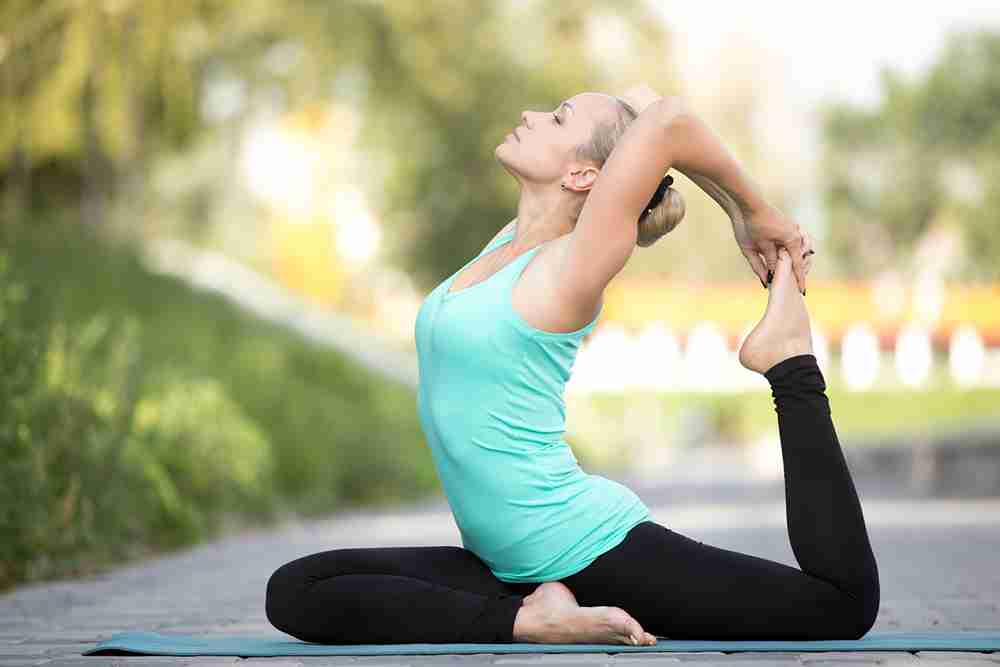
Title: How to Create a Yoga Flow for Flexibility and Strength
Introduction
“Do you ever wish you had more time in your day to stretch, breathe, and strengthen your body? Do you admire people with amazing flexibility and strength, but find it a challenge to stick to a regular yoga routine? If this sounds familiar, then you’ve come to the right place! In this comprehensive guide, we will introduce you to the art of creating a yoga flow that focuses on enhancing your flexibility and strength. By the end of this guide, you’ll not only understand how to craft the perfect yoga flow, but you’ll also be on board to add this to your daily routine. So are you ready to embrace flexibility and strength through yoga?
Section 1: Benefits of Yoga for Flexibility and Strength
Yoga has profound benefits that transcend improved flexibility and strength. Embracing a regular yoga practice has been shown to help reduce stress and anxiety, improve mental clarity, boost mood, and enhance overall wellbeing. Concurrently, yoga poses (asanas) challenge various muscles, leading to improved muscle tone, strength, and endurance. Not to mention, mastering yoga poses requires and improves flexibility and agility. According to a study published in Complementary Therapies in Clinical Practice, a 10-week yoga program significantly improved flexibility and balance in a number of participants. Similarly, a Journal of Bodywork and Movement Therapies report noted enhanced strength and flexibility in avid yoga practitioners.
Section 2: Overcoming Common Barriers
Embarking on a yoga journey can seem daunting, with common obstacles like lack of time, minimal space, and wavering motivation. However, with thoughtful strategies, these can be easily overcome. If time is the issue, consider short, high-intensity yoga sessions. A dedicated yoga corner at home can solve space issues. As for motivation, remember that the journey of a thousand miles begins with a single step. Knowledge that each pose you master brings you closer to your goal can serve as a potent motivator.
Section 3: Creating Your Yoga Flow
An effective yoga flow starts with setting dedicated practice time. After that, begin with simple poses like Mountain, Downward Dog and Tree Pose. Initially, your flow should focus on getting accustomed to asanas, followed by increasing the intensity and duration as your body acclimates. Start with a simple 10-minute routine comprising of gentle warm-up stretches, basic asanas, and a cool-down session focusing on deep breathing. As you progress, aim for a balance between strength-building poses like Warrior I, II, and III and flexibility amplifying poses like Forward Bend and Pigeon Pose.
Section 4: Staying Consistent with Yoga
To derive the optimal benefits of yoga, consistency is key. Use tools like yoga journals to track your progress, find an accountability partner, or join a local yoga club to keep your motivation high. Moreover, be gentle with yourself on the days you can’t meet your set target. Remember, it’s not a sprint but a marathon, and every bit counts.
Conclusion
Yoga is a potent tool that empowers you to boost your flexibility and strength while offering a plethora of physical, psychological, and emotional benefits. Start small and gradually build your yoga routine to witness the transformative power of aligning breath, mind, and body through yoga. Why not set a simple goal today? Try a 10-minute yoga flow every morning and see how it changes your day. Share your experiences and progress in the comments section below. Embrace the world of yoga and remember, every stretching and strengthening pose you master marks an important step in your journey to better health.”
Each breath you take on the mat brings you closer to a stronger, more flexible you. So, embrace the yoga journey and let the transformation begin!