Title: How to Choose the Best Yoga Block and When to Use It
Introduction
Have you ever felt your fingers hovering millimeters from the floor during a challenging yoga pose? If so, then a yoga block might be the missing puzzle piece in your practice. Commonly incorporating in an array of poses, yoga blocks can not only correct your alignment without straining your muscles but also allow you to deepen your flexibility. In this blog, we’re exploring everything there is to know about yoga blocks- how to pick the right one for you and when to use them.
Section 1: Unraveling the Magic of Yoga Blocks
Often understated, yoga blocks can supercharge your yoga practice. They primarily bring the ground closer to you, offering utmost support during a variety of poses. Scientifically, using a yoga block increases muscular activation, helping you tone your body faster. Plus, yoga blocks also help improve balance and stability, something that’s an ongoing challenge for many practitioners. And don’t underestimate the mental benefits; yoga blocks can dramatically reduce strain and stress, allowing you to truly experience states of relaxation and mindfulness.
Section 2: Picking the Perfect Yoga Block
Finding the right yoga block depends largely on personal traits such as your flexibility, balance levels, and body size. Generally, yoga blocks come in three materials- cork, foam, and bamboo. While foam blocks are lightweight and provide excellent grip, cork blocks are more stable and durable. If you’re environmentally conscious, choosing a bamboo yoga block could be your best bet. Your height also plays a crucial role in choosing the block’s size. If you’re taller or less flexible, bigger blocks can provide better support. Meanwhile, smaller blocks work best for individuals with shorter height or advanced flexibility.
Section 3: Putting Your Yoga Block into Practice
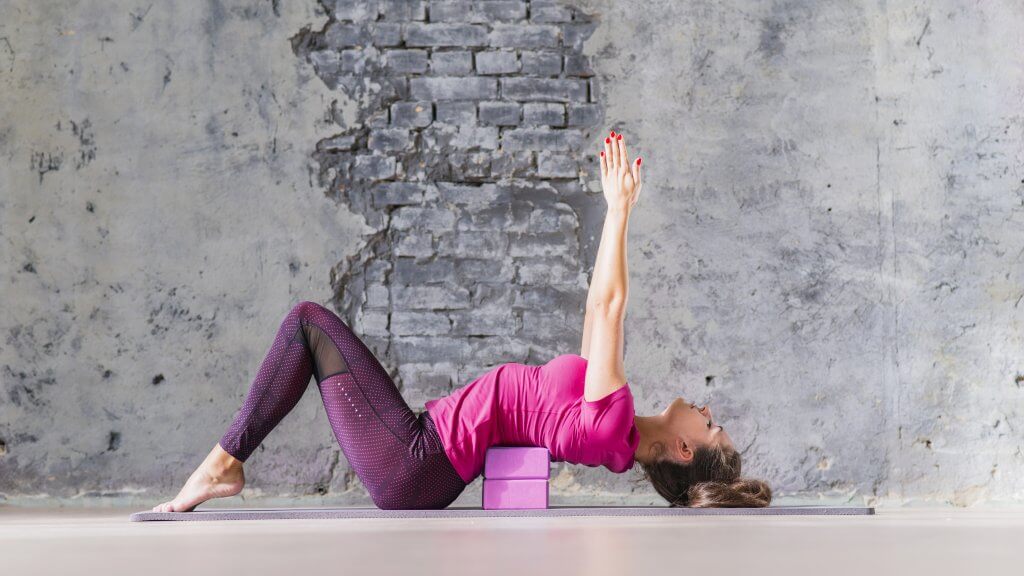
Now that you have your yoga block, it’s time to use it for a more nourished yoga experience. Try using a yoga block under your hand in the Triangle pose to fully stretch without straining your muscles. Or, in the Bridge pose, a yoga block under your lower back can help deepen the spinal stretch. Also, beginners practising the Pigeon can use a yoga block under their hip for better support. Remember, the block’s three different heights offer varying levels of support, experiment to find the one most comfortable and beneficial for you.
Section 4: Refining Your Practice with Regular Use
Maintaining consistency with using your yoga block can bring transformative change in your yoga journey. Tracking your progress, setting weekly goals, or including variations in your practice can keep it exciting and motivating. On days when it feels harder, remember, everyone’s yoga journey is unique. Rather than chasing perfection, focus on growth and alignment.
Conclusion
Choosing the right yoga block and incorporating it into your practice can add dimensions to your yoga journey. By refining poses and pushing boundaries, you’ll find a way to connect more deeply with your body. As you start exploring, remember beginners or experts; everyone can benefit from the humble yoga block. So, set a goal, and embark on this transformative journey. We’d love to hear how it goes; share your experiences in the comments below!
Remember, the journey of yoga is constant learning and growth. It’s about gradually extending your comfort zones and witnessing personal transformation – one breath at a time. Happy practicing!