

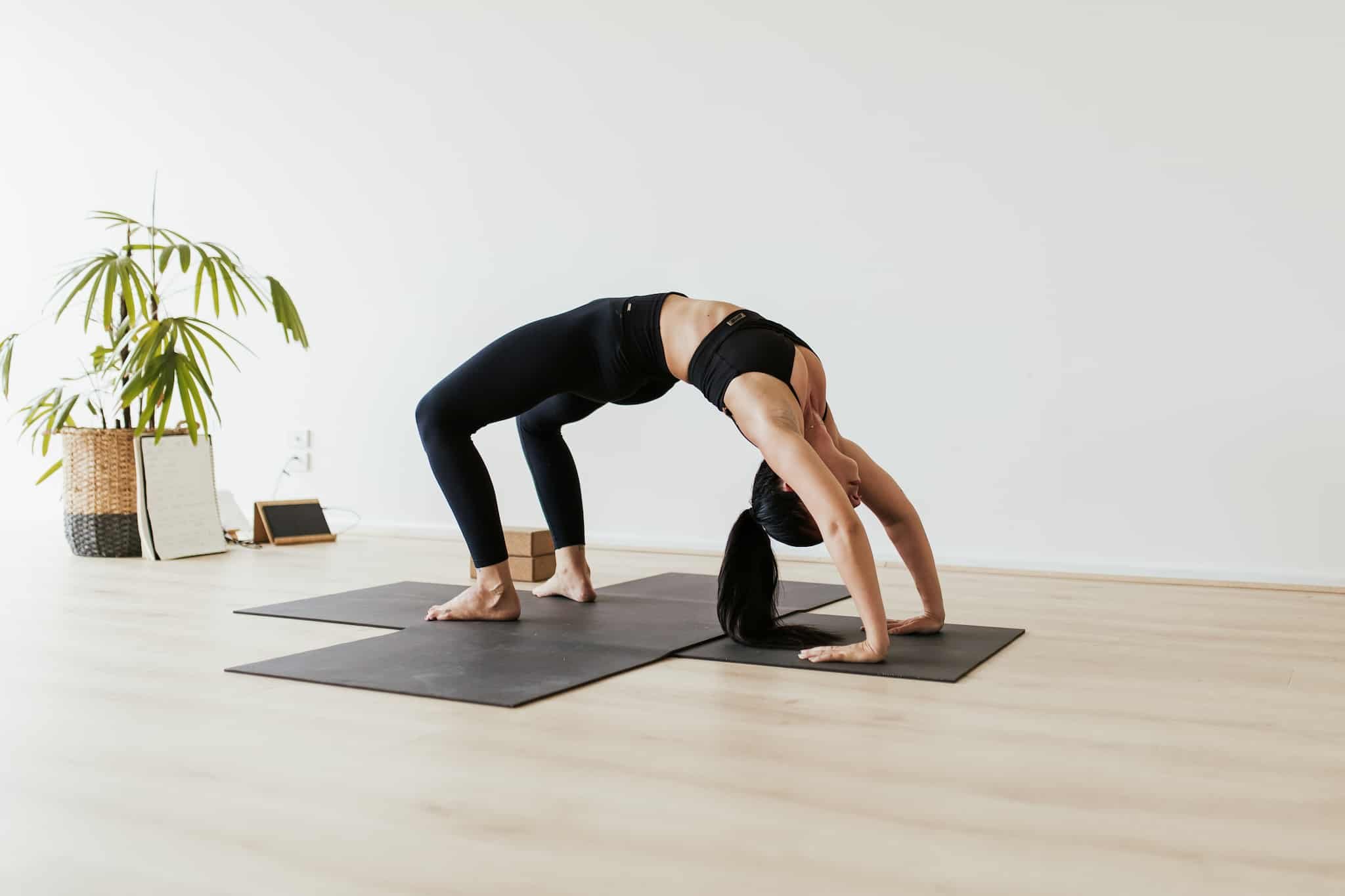
The Halasana yoga pose, commonly known as the Plow Pose, is a powerful asana in the practice of yoga. It is named after the Sanskrit word “Hala,” meaning plow, as the pose resembles the shape of a traditional plow used in farming. This asana is well-known for its ability to enhance flexibility, improve circulation, and stimulate the body’s internal organs.
The History and Significance of Halasana
The Origins of Halasana
The Halasana yoga pose has been practiced for centuries as part of the traditional Hatha yoga system. It is considered a part of the inversion poses that help in energizing the body while calming the mind. Ancient yogis believed that inversions such as Halasana could redirect energy flow within the body, leading to greater physical and mental well-being.
Why Halasana is Important in Yoga Practice
This asana is often included in sequences that promote spinal flexibility and overall relaxation. It is particularly beneficial for people looking to relieve stress, improve digestion, and enhance blood circulation. Due to its therapeutic nature, it is commonly practiced at the end of a yoga session to cool down the body and prepare for final relaxation in Savasana.
How to Perform Halasana Yoga Pose
Preparing for the Pose
Before attempting Halasana, it is essential to warm up the body with a few preparatory poses such as Sarvangasana (Shoulder Stand), Uttanasana (Standing Forward Bend), and Setu Bandhasana (Bridge Pose). These poses help in loosening up the spine and shoulders, making the transition into Halasana smoother.
Step-by-Step Instructions
- Starting Position – Begin by lying flat on your back with your arms resting beside your body and palms facing down.
- Leg Lift – Inhale deeply and slowly lift your legs towards the ceiling, engaging your core muscles.
- Overhead Movement – As you exhale, gently lower your legs over your head, allowing your toes to touch the floor behind you.
- Hand Support – Keep your hands either on the floor for support or clasp them behind your back for a deeper stretch.
- Breathing and Holding – Hold the pose for 30 seconds to a minute while breathing deeply, keeping your neck relaxed and gaze directed toward the ceiling.
- Releasing the Pose – To exit, slowly bring your legs back to the starting position, engaging your core to control the movement.
Common Mistakes to Avoid
- Forcing the feet to touch the ground can cause strain on the neck and spine.
- Holding tension in the shoulders instead of keeping them relaxed.
- Not engaging the core properly, leading to excessive strain on the lower back.
The Benefits of Practicing Halasana Yoga Pose
Physical Benefits
Improves Spinal Flexibility
The Halasana yoga pose stretches and strengthens the entire spinal column, promoting flexibility and reducing stiffness. Regular practice can help alleviate back pain and improve posture.
Enhances Digestion
By compressing the abdominal organs, this pose stimulates digestion and improves metabolism. It can help relieve issues such as bloating and constipation.
Boosts Circulation
Since Halasana is an inversion, it encourages better blood flow to the brain, enhancing focus, mental clarity, and overall circulation.
Strengthens the Core and Shoulders
The core muscles and shoulders play a crucial role in maintaining balance in this pose. Over time, Halasana helps develop a strong core and improves upper body strength.
Mental and Emotional Benefits
Reduces Stress and Anxiety
Halasana has a calming effect on the nervous system, making it an excellent pose for reducing stress and anxiety. The gentle pressure on the throat area also stimulates the thyroid gland, helping to regulate mood and energy levels.
Enhances Concentration and Mental Clarity
The increased blood flow to the brain improves concentration and mental alertness. Many practitioners find that practicing this pose regularly helps them feel more focused and clear-headed.
Promotes Deep Relaxation
Due to its restorative nature, Halasana encourages deep relaxation. It is often used in yoga therapy to aid in better sleep and relaxation after a stressful day.
Variations and Modifications of Halasana
Easy Variations for Beginners
Supported Halasana
Beginners who struggle with flexibility can use a bolster or folded blanket under the lower back to provide extra support. This reduces strain on the spine and makes it easier to hold the pose.
Half Halasana
Instead of bringing the toes all the way to the floor, keep the legs extended at a 45-degree angle. This modification allows practitioners to gradually build strength and flexibility before attempting the full pose.
Advanced Variations
Eka Pada Halasana (One-Legged Plow Pose)
In this variation, one leg remains extended overhead while the other leg is kept in the air. This intensifies the stretch and requires greater core engagement.
Parsva Halasana (Side Plow Pose)
For a deeper spinal twist, the toes are moved toward one side of the body instead of directly behind the head. This variation enhances lateral flexibility and increases the stretch in the oblique muscles.
Precautions and Contraindications
Who Should Avoid Halasana?
While Halasana offers numerous benefits, it may not be suitable for everyone. People with the following conditions should avoid or modify this pose:
- Neck injuries or chronic neck pain.
- High blood pressure or heart conditions.
- Pregnancy or menstruation, as it puts pressure on the abdomen.
- Glaucoma or any eye-related issues, due to increased pressure in the head.
Tips for Safe Practice
- Always practice on a yoga mat or cushioned surface to avoid strain on the spine.
- Keep the neck in a neutral position and do not turn the head while in the pose.
- Exit the pose slowly to prevent dizziness or discomfort.
Incorporating Halasana into Your Yoga Routine
Ideal Time for Practice
The best time to practice Halasana is either in the morning on an empty stomach or in the evening at least a few hours after eating. This ensures that the body is light and comfortable for deep stretching.
Combining Halasana with Other Poses
For a balanced yoga sequence, Halasana pairs well with the following poses:
Sarvangasana (Shoulder Stand)
Since Halasana is often practiced after Shoulder Stand, transitioning between the two poses helps maintain a smooth flow in the practice.
Matsyasana (Fish Pose)
Fish Pose serves as a counterpose to Halasana by opening up the chest and relieving any tension in the neck and back.
Paschimottanasana (Seated Forward Bend)
This pose continues the stretch along the spine and helps deepen flexibility after practicing Halasana.
Conclusion
The Halasana yoga pose is a powerful addition to any yoga practice, offering a wide range of physical, mental, and emotional benefits. Whether you’re looking to improve flexibility, enhance digestion, or simply find relaxation, incorporating this pose into your routine can lead to profound well-being. As with any yoga practice, listening to your body and progressing gradually is key to reaping the full benefits of this rejuvenating asana.


