

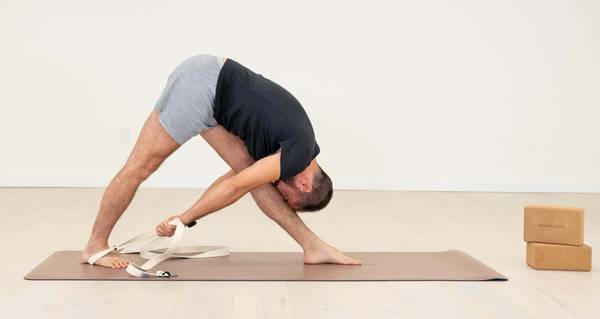
Title: Exploring Iyengar Yoga: Precision and Alignment in Every Pose
**Introduction**
Do you often find yourself drawn to the physical and spiritual rewards that yoga offers, yet feel overwhelmed by the sheer number of yoga styles out there? If so, you are not alone. Finding the yoga style that best fits your unique needs and goals can be a daunting task, mainly if you are just starting. But what if I told you about a yoga practice that brings together mindfulness, strength, and flexibility while placing a strong emphasis on precision and alignment in every pose? Sounds intriguing, right? Well, that’s where Iyengar Yoga comes in! Stick around as we delve deeper into this unique yoga discipline that provides a tailored and balanced approach to physical and mental wellness.
**What is Iyengar Yoga?**
Developed by B.K.S. Iyengar, one of the pioneering yoga teachers of our time, Iyengar Yoga is a form of Hatha Yoga that emphasizes precision and alignment. Unlike many other yoga styles, Iyengar Yoga does not focus on achieving the perfect posture but instead adjusts the pose to suit individual abilities and needs. This makes it a great practice for all levels, from beginners to seasoned yogis, fostering progression at every step of the journey.
**The Benefits of Iyengar Yoga**
The focus on precision and alignment makes Iyengar Yoga a powerful tool for improving overall body strength, flexibility, and balance. It doesn’t just stop there. The mindfulness embedded in the practice enhances mental clarity and helps manage stress. This is supported by research from the National Institutes of Health that found Iyengar Yoga to improve balance, fear of falling and quality of life in older adults. Additionally, Iyengar Yoga makes use of props, such as belts and blocks, that cater to individual needs, thereby reducing the risk of injury.
**Understanding the Iyengar Yoga Principles**
Iyengar Yoga rests on three key principles: sequence, timing, and alignment. The principle of sequence refers to the order in which asanas (poses) are practiced. A well-structured sequence enables the practitioner to progress smoothly from basic to more complex poses. The timing principle refers to how long a pose is held. Holding poses for longer durations allows for detailed alignment adjustments and enhances the pose’s benefits. The alignment principle accentuates the right positioning and movement of each body part in relation to the others. This helps to release tension and enhance the flow of energy throughout the body.
**Setting up your Iyengar Yoga Practice**
As with any yoga practice, consistency is critical. Find a time that best suits your schedule and set a designated space for your practice. Start with simple poses and gradually explore more complex asanas. You can begin with Tadasana (mountain pose), Uttanasana (standing forward bend), and Savasana (corpse pose). Remember, the goal is to focus on precision and alignment, not to perfect the pose.
**Staying Consistent**
Consistency is key in any yoga practice, and Iyengar Yoga is no exception. To stay committed, consider tracking your progress, practicing with a partner, or joining a local group. Above all, be gentle with yourself. Remember, even short sessions count, and every practice is a step forward towards better health and well-being.
**Conclusion**
Iyengar Yoga, with its strong emphasis on precision and alignment, offers a grounded and balanced approach to both your yoga practice and life. Whether you’re a beginner or a seasoned yogi, adopting Iyengar Yoga can set you on a path towards improved strength, flexibility, and mindfulness. So why not give it a try? Share your thoughts and experiences in the comments below. As B.K.S. Iyengar himself said, “Yoga is a light, which once lit, will never dim. The better your practice, the brighter the flame.”


