

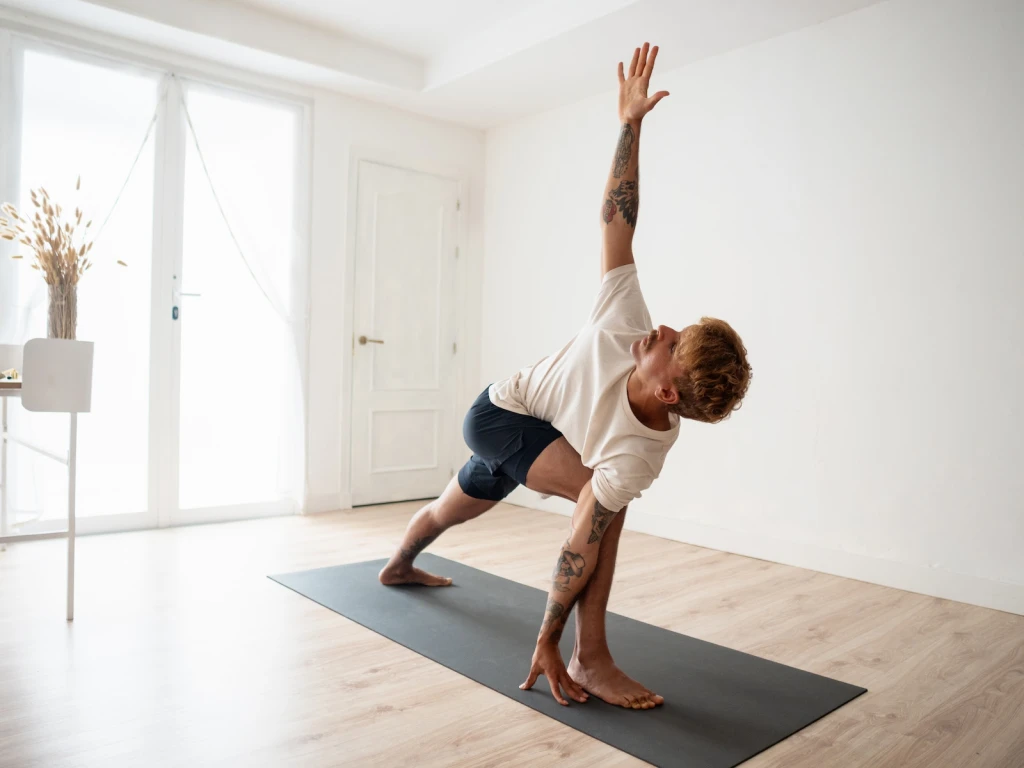
Dhanurasana, commonly known as Bow Pose, is a powerful backbend that strengthens the spine, enhances flexibility, and stimulates multiple body systems. This dynamic posture not only improves physical well-being but also fosters mental resilience. If you’re looking to deepen your yoga practice, understanding the nuances of the dhanurasana yoga pose can be transformative.
What is the Dhanurasana Yoga Pose?
The Meaning Behind Dhanurasana
The word “Dhanurasana” originates from Sanskrit, where “Dhanur” means “bow” and “Asana” means “pose.” The name itself symbolizes the posture’s resemblance to a bow, with the body arched and the arms pulling the legs to create a taut shape. Practicing this asana regularly can help improve posture, strengthen back muscles, and open up the chest and shoulders.
The Significance of Dhanurasana in Yoga
Among various backbends, the dhanurasana yoga pose is unique because it engages both the upper and lower body simultaneously. This posture is often included in sequences designed to energize the body, improve digestion, and stimulate the nervous system. It is an excellent asana for those looking to enhance spinal flexibility and build strength.
Benefits of Practicing Dhanurasana Yoga Pose
Physical Benefits
Strengthens the Back and Spine
One of the primary advantages of Dhanurasana is its ability to strengthen the spine and back muscles. By lifting the chest and legs simultaneously, the pose engages the entire back, making it an effective practice for those suffering from mild back pain or stiffness.
Improves Flexibility
Dhanurasana helps enhance flexibility in the spine, shoulders, and thighs. The deep stretch experienced in this posture allows for a greater range of motion, which can be beneficial for athletes and individuals who spend long hours sitting.
Stimulates Digestive Organs
This asana exerts pressure on the abdomen, which helps stimulate the digestive organs. Regular practice can aid in relieving constipation, improving metabolism, and promoting better gut health.
Mental and Emotional Benefits
Reduces Stress and Anxiety
Like many yoga postures, the dhanurasana yoga pose can have a calming effect on the mind. The opening of the chest promotes deep breathing, which helps reduce stress and anxiety.
Enhances Focus and Concentration
Holding this posture requires balance and awareness, helping practitioners develop better focus and concentration. The engagement of multiple muscle groups at once also fosters mind-body coordination.
How to Perform Dhanurasana Yoga Pose
Step-by-Step Guide
- Start by Lying on Your Stomach
- Begin in a prone position with your legs extended and arms resting alongside your body.
- Bend Your Knees
- Gently bend your knees, bringing your heels as close to your buttocks as possible.
- Reach for Your Ankles
- Extend your arms backward and grasp your ankles firmly with both hands.
- Lift Your Chest and Legs
- Inhale deeply, engaging your back muscles as you lift your chest and thighs off the ground.
- Hold the Position
- Maintain the pose for 15-30 seconds, keeping your gaze forward and breathing deeply.
- Release Gently
- Exhale as you slowly release your grip and lower your body back to the mat.
Tips for Proper Alignment
- Ensure your knees remain hip-width apart to avoid unnecessary strain on the lower back.
- Engage your core muscles to support the spine.
- Avoid straining the neck by keeping your gaze forward rather than looking up.
Preparatory and Counter Poses
Poses to Prepare for Dhanurasana
Bhujangasana (Cobra Pose)
This pose helps in warming up the spine and strengthening the back muscles before transitioning into a deeper backbend.
Salabhasana (Locust Pose)
Salabhasana activates the lower back and legs, making it an ideal preparatory pose for the dhanurasana yoga pose.
Counterposes to Release Tension
Balasana (Child’s Pose)
Child’s Pose allows the spine to relax and helps in counteracting the deep backbend.
Paschimottanasana (Seated Forward Bend)
This forward fold helps release tension in the lower back and stretches the hamstrings, restoring balance to the body.
Common Mistakes and How to Avoid Them
Overarching the Lower Back
One common mistake in Dhanurasana is relying too much on the lower back. Instead, engage the entire spine and core to distribute the stretch evenly.
Holding the Breath
Many practitioners unknowingly hold their breath while performing this pose. Focusing on steady and deep breathing ensures better control and relaxation.
Incorrect Leg Positioning
Keeping the knees too wide apart can cause strain on the lower back. Always ensure they stay hip-width apart to maintain proper alignment.
Modifications and Variations
Beginner Modifications
For those new to the dhanurasana yoga pose, consider using a yoga strap around the ankles to gradually build flexibility. This allows for a gentler stretch without forcing the movement.
Advanced Variations
Once comfortable with the basic pose, try lifting higher by bringing the feet closer to the head. Some advanced practitioners can even grasp their toes, further deepening the backbend.
Who Should Avoid Dhanurasana?
Medical Conditions
- Individuals with severe back pain or spinal injuries should avoid this posture.
- Those with recent abdominal surgeries should consult a doctor before attempting this asana.
- Pregnant women should refrain from practicing Dhanurasana due to the pressure exerted on the abdomen.
Alternative Poses
If Dhanurasana is not suitable, alternative poses such as Bhujangasana (Cobra Pose) or Setu Bandhasana (Bridge Pose) can provide similar benefits with less strain on the body.
Conclusion
The dhanurasana yoga pose is a remarkable asana that strengthens the spine, improves flexibility, and fosters mental clarity. With consistent practice, it can help enhance overall well-being and deepen your yoga journey. By understanding the correct technique, benefits, and modifications, you can safely integrate this pose into your routine and experience its profound effects. Whether you are a beginner or an advanced practitioner, Dhanurasana has something to offer, making it a valuable addition to any yoga practice.


