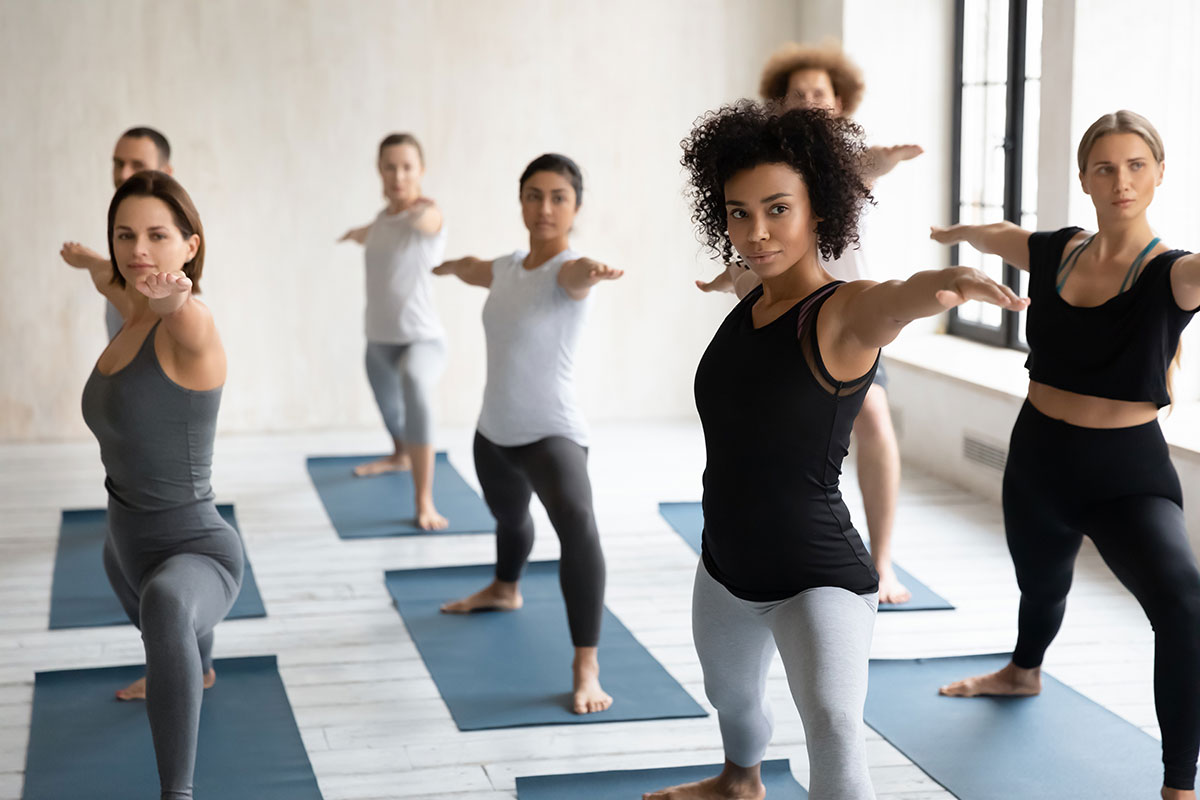
Title: How Yoga Can Help Manage Anxiety and Depression
Introduction
Are you looking for a natural and gentle way to manage anxiety and depression? Have you ever considered yoga as therapy for your mental health? Practising yoga can offer a holistic approach to managing these conditions, nurturing your body, mind, and soul in the process. Imagine regaining control, managing distress, and living a life imbued with tranquility. That’s precisely what yoga can help you achieve.
Section 1: Understanding Anxiety & Depression
Anxiety and depression are mental health conditions effecting millions of people globally. Despite being widespread, they are often misunderstood. Anxiety is not just worry, it can cause physical symptoms such as heart palpitations, and depression is not just sadness, it can manifest in lack of motivation or even physical pain. Each individual’s experience with these conditions can vary widely. Understanding this can help bridge the gap between misconceptions and the reality of living with anxiety and depression.
Section 2: The Connection Between Yoga and Mental Health
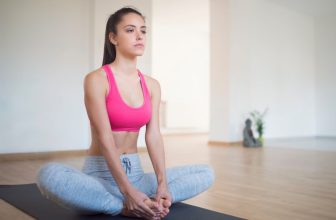
Integrating yoga into your wellness routine can provide a natural and healthy way to manage anxiety and depression. Yoga, a practice that focuses on breath control, simple meditation, and physical postures, can have outstanding psychological effects. In fact, scientific studies show that yoga can help decrease anxiety, reduce symptoms of depression, and boost overall mood.
Section 3: What Makes Yoga Effective in Managing Anxiety and Depression
People who regularly practice yoga often prefer it to traditional exercises because of its unique ability to calm the mind while simultaneously energizing the body. By committing to a regular practice, you can reap the full benefits of yoga – a strengthened mind-body connection, improved physical health, and reduced mental stress.
Section 4: How to Start Your Yoga Journey
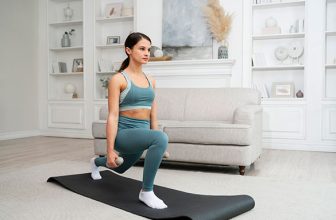
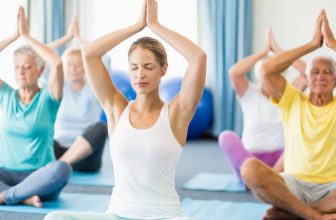
Getting started with yoga can seem intimidating, especially when you’re dealing with anxiety and depression. However, the beauty of yoga is that it’s adaptable for everyone, regardless of age, body type, or fitness level. To start, focus on simple postures and breath work. Gradually, as you get more comfortable, you can incorporate more advanced poses.
Section 5: Maintaining Consistency in Your Yoga Practice
Consistency and commitment are key in any practice, especially yoga. The more regularly you practice, the better you will get at controlling your mind and body. Implement practical ways to stay engaged such as setting specific goals, tracking your progress, practicing at a designated time each day, or finding a yoga community for support and motivation.
Conclusion
Managing anxiety and depression is a journey—not a destination. And yoga, despite being an ancient practice, could be the way forward for you on this journey. So unroll your mat, take a deep breath, and embark on this beautiful path of self-discovery and healing. As you adopt yoga into your routine to manage anxiety and depression, remember to practice consistently, be patient with yourself, and, most importantly, enjoy the journey. By doing this, you aren’t just surviving – you’re thriving, one yoga pose at a time.
Remember, it’s not about mastering the perfect yoga pose, it’s about what you learn on the way down. Start today. Your future self will thank you.