

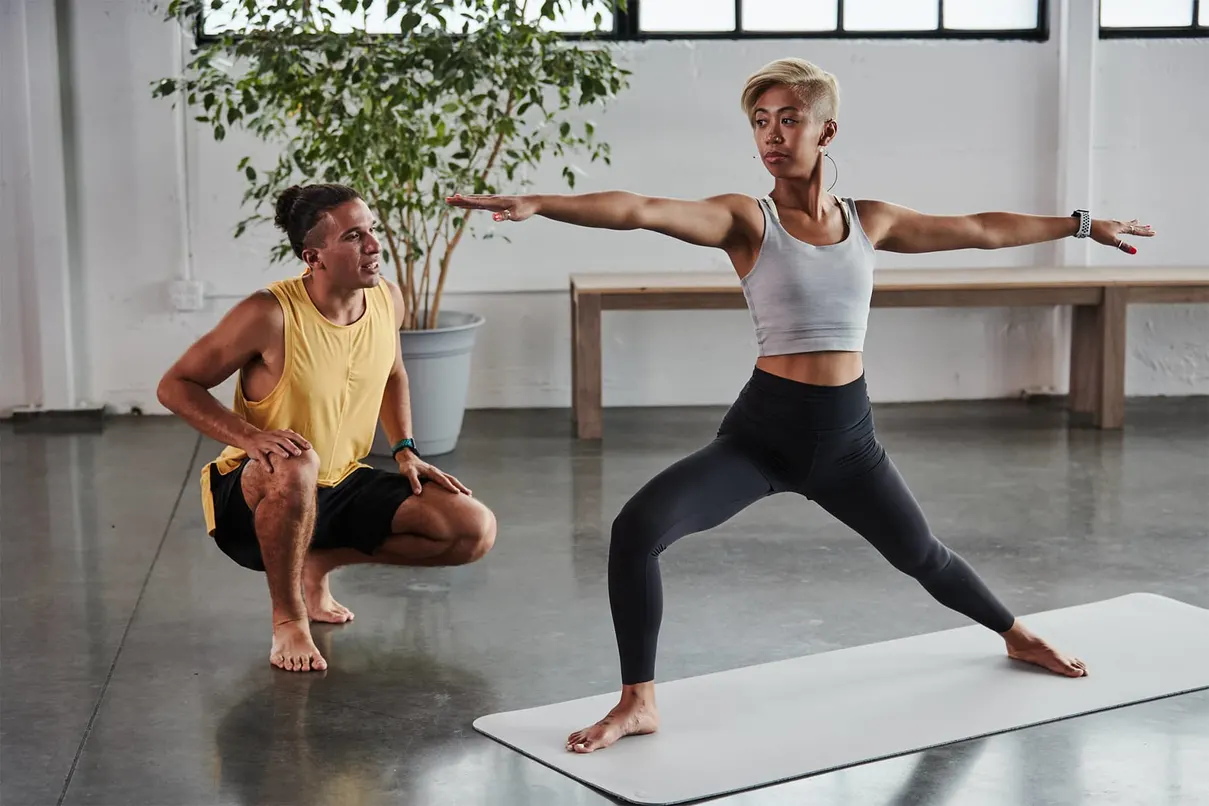
Like any skill, getting good at yoga takes time, consistency, and effort. If you’re new to yoga, you may wonder: how long does it take to get good at yoga?
The short answer is that it depends. Everyone’s journey with yoga is unique, and how long it takes to get good at yoga will vary from person to person. Factors such as your starting point, the frequency of practice, the style of yoga you choose, and your commitment level all play a role in how quickly you progress.
Today, we will explore the factors that influence your progress, offer tips for advancing in your practice, and help you understand how long does it take to get good at yoga.
The Learning Curve of Yoga
Yoga is not just about flexibility or holding difficult poses; it’s a journey of personal growth, mindfulness, and body awareness. While some people may progress quickly, others may take longer to achieve mastery. The first step in understanding how long does it take to get good at yoga is acknowledging that yoga is a continuous practice, and progress isn’t always linear. It requires patience, consistency, and self-compassion.
Yoga Is More Than Just Physical Poses
It’s essential to recognize that yoga is not just about physical postures (asanas). Yoga encompasses breath control (pranayama), meditation, and philosophy. To truly understand and progress in yoga, you must integrate these different elements into your practice. Achieving physical mastery of certain poses may take time, but as you learn more about the mental and spiritual aspects of yoga, you’ll find that your overall experience with the practice deepens.
Many people start practicing yoga to improve their physical health, but as they become more experienced, they begin to notice other benefits, such as enhanced mental clarity, emotional resilience, and a greater sense of self-awareness. This is where the true beauty of yoga lies—it’s not just a workout; it’s a holistic approach to life that takes time to master.
Factors That Influence How Long It Takes to Get Good at Yoga
Now that we’ve established that yoga is a journey, let’s look at the factors that affect how long it takes to get good at yoga. Each person’s path is different, so there is no set timeline for progress. However, understanding the factors that influence your practice will give you a clearer idea of what to expect.
Your Starting Point
One of the most significant factors in determining how long it will take to get good at yoga is your starting point. If you’re a complete beginner, it may take longer to gain flexibility, strength, and body awareness compared to someone who already has a background in fitness or sports. Yoga requires a lot of engagement from the body, and it’s not uncommon for new practitioners to experience tight muscles or limited mobility at first.
For those who are already flexible or have a strong fitness background, it may be easier to pick up some of the physical aspects of yoga more quickly. However, even experienced athletes need time to adjust to the mental and spiritual aspects of yoga. Yoga involves learning how to slow down, breathe deeply, and be present in the moment—all of which may take time to fully incorporate.
Frequency of Practice
Another key factor in how long it takes to get good at yoga is the frequency of your practice. As with any skill, the more often you practice, the faster you’ll improve. If you commit to practicing yoga regularly, such as three to five times per week, you will likely see noticeable progress in a shorter period of time.
Consistency is key. Yoga is a skill that benefits from daily or near-daily practice. While it’s important to rest and allow your body to recover, incorporating yoga into your weekly routine will accelerate your progress. Additionally, as your body adapts to the poses and sequences, you’ll develop strength, flexibility, and coordination, which will help you move on to more advanced postures.
For those who only practice occasionally or sporadically, it may take longer to see improvements in strength, flexibility, and technique. Yoga is most effective when practiced consistently, so if you’re serious about advancing your practice, making time for yoga regularly will lead to faster results.
Style of Yoga
There are various styles of yoga, each with its own focus and approach. The style of yoga you choose will influence how long it takes to get good at yoga. Some styles are physically demanding and may challenge your strength and endurance, while others are slower-paced and focus on flexibility, relaxation, and meditation.
For example, a vigorous style like Vinyasa or Ashtanga yoga may help you build strength and stamina more quickly due to the dynamic nature of the practice. If your goal is to improve flexibility and mindfulness, a slower-paced style like Yin or Hatha yoga may be more suitable, but it may take longer to build strength in certain areas.
The more intense styles of yoga may lead to faster physical progress, but they may also require more time for recovery. Conversely, gentler styles of yoga may take longer to see tangible results in strength, but they offer other benefits, such as stress relief, relaxation, and deepening self-awareness.
Instruction and Guidance
The quality of instruction you receive will also influence how long it takes to get good at yoga. Working with a knowledgeable teacher who can provide personalized feedback, adjustments, and modifications is invaluable when it comes to improving your practice. A good yoga instructor will help you understand the nuances of each pose and encourage you to progress at your own pace.
For beginners, attending yoga classes (either in-person or online) is highly recommended. A teacher will provide you with the guidance and motivation to ensure that you’re practicing safely and effectively. As you progress in your practice, you may choose to explore advanced classes or workshops to refine your technique further.
However, if you prefer practicing on your own, you can still make progress by following online tutorials or yoga videos. But keep in mind that self-practice may require more self-discipline and patience.
Mental and Emotional Factors
Yoga is as much a mental and emotional practice as it is a physical one. How you approach yoga mentally and emotionally will significantly impact how long it takes to get good at yoga. If you approach yoga with patience, an open mind, and a willingness to learn, your progress will be more profound and sustainable.
Many people find that yoga not only challenges them physically but also helps them manage stress, improve mental clarity, and develop a greater sense of self-awareness. Learning to stay present, manage distractions, and quiet the mind takes time. This is an area of practice that doesn’t have a direct timeline for improvement but is essential for true mastery of yoga.
Tips for Getting Good at Yoga
If you’re wondering how long it will take to get good at yoga, the key is to embrace the journey rather than focusing on the end goal. With consistent practice and a few tips, you can make significant progress in a relatively short period of time. Below are some tips that will help you get the most out of your yoga practice.
Start with the Basics
Don’t rush into advanced poses too quickly. Start with the basic poses, focusing on building a solid foundation. Mastering foundational poses will provide you with the strength and stability you need to progress in more complex movements later on.
Be Consistent
Consistency is crucial when learning how to become good at yoga. Even if you practice for just 20–30 minutes a day, regular practice will yield better results than occasional sessions. Make yoga a part of your daily routine to ensure steady progress.
Listen to Your Body
Yoga is about tuning into your body and learning to listen to its signals. If you push yourself too hard, you risk injury and burnout. Progress may be slower at first, but being gentle with yourself and practicing self-compassion will help you build a sustainable practice.
Challenge Yourself Gradually
While it’s important to be patient, you should also challenge yourself. As your practice evolves, gradually add more complexity to your poses and sequences. Push yourself to explore new poses, but always respect your body’s limits. Over time, you will develop greater flexibility, strength, and confidence.
Stay Patient and Mindful
Progress in yoga takes time, and the journey is different for everyone. Don’t compare yourself to others, and avoid focusing too much on the end goal. Yoga is a process, and every step you take is a part of that journey. Stay mindful and enjoy the process of learning and growing.
The Bottom Line
The question of how long it takes to get good at yoga is not a simple one to answer. Your progress will depend on various factors, including your starting point, the frequency of your practice, the style of yoga you choose, and your personal dedication. With consistent practice, patience, and a commitment to both physical and mental growth, you will start to see noticeable improvements over time.
Ultimately, yoga is not about perfection—it’s about progress. The key to becoming good at yoga is to embrace the journey, stay consistent, and trust the process. The more you practice, the more you’ll discover about yourself and the practice itself. So, whether you’re just starting out or have been practicing for years, remember that yoga is a lifelong journey, and every step you take brings you closer to becoming the best version of yourself.


