

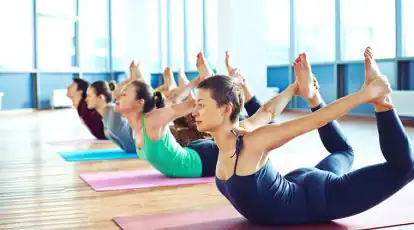
When it comes to improving flexibility and relieving tension, both yoga and stretching are popular practices. While they may seem similar, yoga and stretching serve different purposes and offer unique benefits. Many people wonder, what is the difference between yoga and stretching? Understanding these distinctions can help you choose the right practice for your goals and lifestyle.
Defining Yoga and Stretching
What Is Yoga?
Yoga is an ancient practice that originated in India over 5,000 years ago. It is a holistic discipline that incorporates physical postures (asanas), breath control (pranayama), and meditation. The purpose of yoga is to create a balance between the mind, body, and spirit, promoting overall well-being. Beyond physical movement, yoga also encompasses a philosophical and ethical framework, guiding practitioners toward a more mindful and harmonious way of living.
What Is Stretching?
Stretching, on the other hand, is a targeted physical practice that focuses on elongating muscles and improving flexibility. It is commonly used in athletic training, physical therapy, and general fitness routines to enhance mobility and prevent injuries. Stretching does not incorporate the breathwork or mindfulness that yoga does, but it plays a crucial role in muscle recovery and movement efficiency.
The Key Differences Between Yoga and Stretching
Purpose and Intention
One of the most significant differences between yoga and stretching is their overall purpose.
- Yoga aims to unify the body and mind through movement, breath, and meditation. It often incorporates a spiritual or philosophical aspect, fostering inner awareness and self-growth.
- Stretching is primarily focused on improving physical flexibility and range of motion. It is often used as a warm-up or cool-down routine to support athletic performance and prevent stiffness.
The Role of Breath
Breathing plays a crucial role in both practices, but in different ways.
- Yoga integrates breath with movement, emphasizing deep, controlled breathing techniques like Ujjayi or diaphragmatic breathing. This connection helps calm the nervous system and increase body awareness.
- Stretching does not have a structured breathing component. However, deep breathing can still enhance relaxation and help release tension in muscles.
Movement vs. Static Holds
Yoga and stretching utilize different movement patterns.
- In yoga, movements are often dynamic, flowing from one posture to another in a sequence (such as in Vinyasa yoga). Even in static poses, there is an element of engagement and breath awareness.
- Stretching typically involves holding a position for a set amount of time (usually 15-30 seconds) to lengthen the muscles. It does not involve a sequence of movements but rather isolated stretches.
Engagement of Muscles
Yoga requires muscle engagement and balance, even in passive poses.
- Many yoga postures require active muscle participation, even while stretching. For example, in Downward Dog, the legs, arms, and core are engaged while simultaneously stretching the hamstrings and shoulders.
- Stretching, in contrast, often involves passive lengthening of muscles without necessarily engaging other muscle groups.
The Mind-Body Connection
Yoga is deeply rooted in mindfulness and mental awareness.
- Practicing yoga involves cultivating awareness of how the body feels in each pose, as well as observing thoughts and emotions. It can be a form of moving meditation, promoting a deeper sense of self-awareness.
- Stretching is generally more mechanical, with the primary goal of increasing flexibility rather than fostering mindfulness.
The Benefits of Yoga vs. Stretching
Benefits of Yoga
- Enhances flexibility and strength simultaneously
- Reduces stress and promotes relaxation
- Improves posture and alignment
- Supports mental clarity and emotional balance
- Boosts circulation and respiratory function
- Encourages mindfulness and self-awareness
- Strengthens joints and stabilizing muscles
Benefits of Stretching
- Increases flexibility and range of motion
- Reduces muscle stiffness and soreness
- Aids in injury prevention and recovery
- Enhances athletic performance
- Improves circulation to muscles
- Helps maintain mobility as you age
- Relieves tension from prolonged sitting or strenuous activity
When to Choose Yoga or Stretching
When Yoga Is the Better Choice
- If you are looking for a holistic practice that benefits both the mind and body
- If you want to improve flexibility while building strength
- If stress reduction and relaxation are a priority
- If you enjoy guided movement with breathing techniques
- If you are looking for an activity that promotes long-term mental and emotional balance
When Stretching Is the Better Choice
- If your primary goal is to loosen tight muscles quickly
- If you need a quick and effective way to improve mobility before or after exercise
- If you prefer a simpler, no-equipment approach to flexibility training
- If you are recovering from an injury and need targeted muscle relief
- If you need to counteract muscle tightness from daily activities like sitting at a desk
Can Yoga Replace Stretching?
Many people wonder whether yoga can replace stretching in their fitness routine. The answer depends on individual goals.
- Yoga can offer many of the same benefits as stretching while providing additional strength, balance, and relaxation benefits.
- However, if you are an athlete or someone who needs targeted flexibility work, adding stretching alongside yoga may be beneficial.
- Yoga can also be a long-term approach to flexibility and mobility, whereas stretching may be more of an immediate fix for tight muscles.
The Best of Both Worlds: Combining Yoga and Stretching
While yoga and stretching have their differences, incorporating both into your routine can be the best approach for overall health.
- Use yoga as a full-body practice that builds flexibility, strength, and mindfulness.
- Add stretching to target specific areas that need extra attention, such as tight hamstrings or stiff shoulders.
- If you are short on time, try incorporating yoga-inspired stretches into your warm-up or cool-down routine.
Conclusion
Understanding what is the difference between yoga and stretching can help you make an informed decision about which practice aligns with your needs. While both can improve flexibility and mobility, yoga offers a more comprehensive approach that integrates breath, mindfulness, and strength-building. Stretching, on the other hand, is a more straightforward practice focused on muscle lengthening and injury prevention. Whether you choose yoga, stretching, or both, incorporating these practices into your routine can support your overall well-being and physical health. The key is to listen to your body and find the balance that works best for you.


