

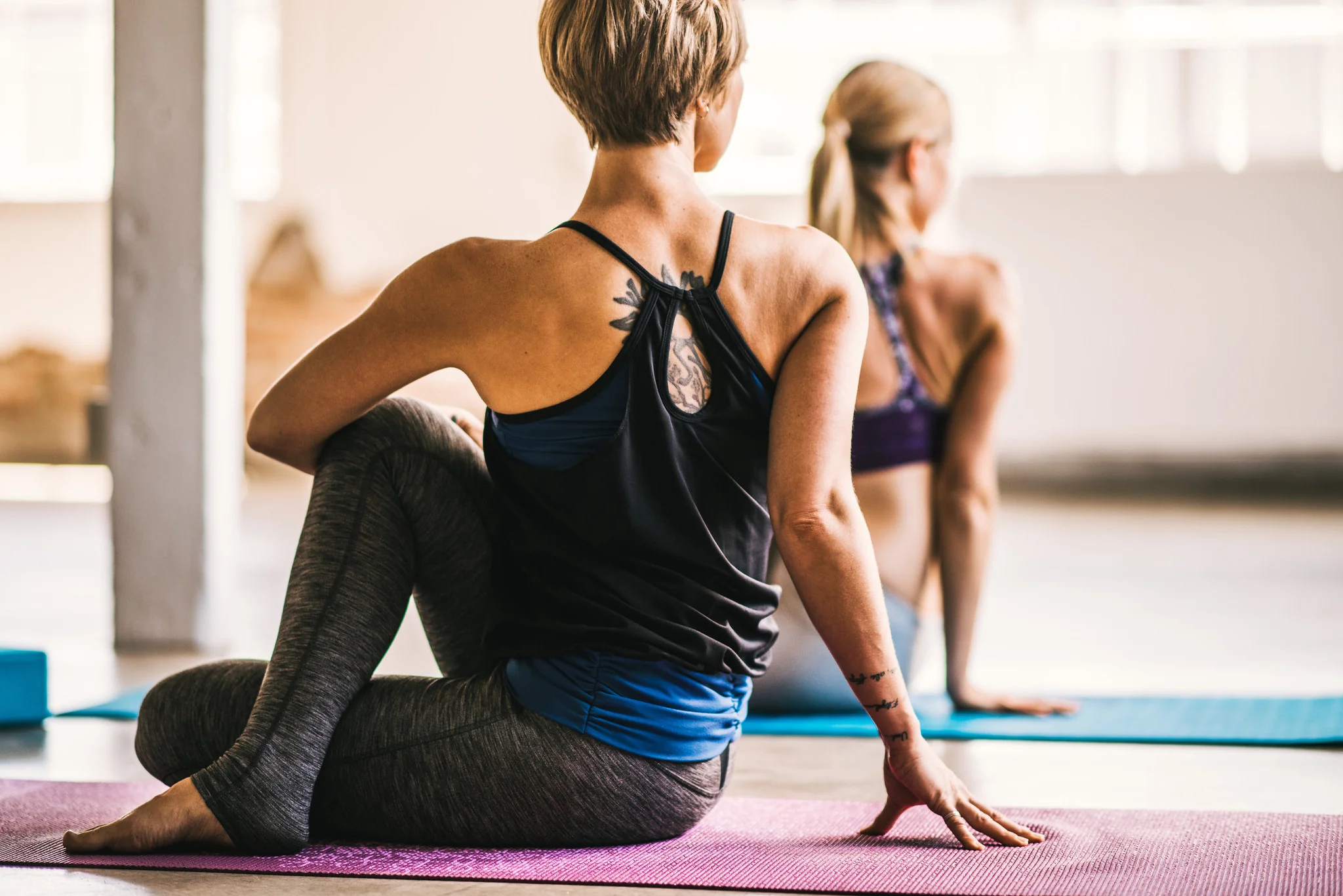
Scoliosis, a condition characterized by an abnormal curvature of the spine, can lead to discomfort, reduced mobility, and even chronic pain. While medical treatments and physical therapy are commonly recommended, many individuals turn to yoga for relief. But can yoga help scoliosis? The answer lies in the mindful approach yoga offers, helping to strengthen muscles, improve posture, and reduce pain associated with spinal imbalances.
Yoga focuses on stretching, strengthening, and increasing body awareness, which can be beneficial for individuals dealing with scoliosis. In this guide, we will explore the various ways yoga can support scoliosis management and how you can safely incorporate it into your routine.
Understanding Scoliosis and Its Challenges
What Is Scoliosis?
Scoliosis is a condition where the spine curves sideways, often in an S- or C-shape. The severity can range from mild to severe, with some cases requiring medical intervention. It can develop during childhood or adolescence, but adults can also experience scoliosis due to degenerative changes in the spine.
Common Symptoms
- Uneven shoulders or hips
- Back pain and stiffness
- Difficulty standing straight
- Fatigue due to muscle imbalances
- Limited mobility in severe cases
Conventional Treatments
Treatment for scoliosis depends on its severity and may include:
- Physical therapy
- Bracing (for adolescents with growing spines)
- Pain management techniques
- Surgery (for severe cases)
How Can Yoga Help Scoliosis?
Strengthening Postural Muscles
One of the biggest challenges with scoliosis is muscular imbalance. Yoga strengthens the back, core, and postural muscles, providing better support for the spine. Poses like Plank, Warrior II, and Chair Pose engage the muscles that help stabilize the body.
Improving Flexibility
Tight muscles can contribute to discomfort in scoliosis patients. Yoga poses that gently stretch the spine, shoulders, and hips—such as Cat-Cow, Child’s Pose, and Forward Fold—can help improve mobility and reduce tension.
Enhancing Body Awareness
Since scoliosis causes asymmetry, individuals may not always notice postural imbalances. Yoga emphasizes body awareness, helping practitioners recognize misalignment and consciously work toward better posture.
Reducing Pain and Tension
Chronic back pain is common in scoliosis patients. Yoga incorporates breathwork, mindfulness, and gentle movements that help alleviate discomfort. Poses like Supine Twist and Sphinx Pose can provide relief by decompressing the spine and relaxing the muscles.
Best Yoga Poses for Scoliosis
Gentle Stretches
Cat-Cow Stretch
- Begin on hands and knees in a tabletop position.
- Inhale, arch your back, and lift your head (Cow Pose).
- Exhale, round your spine, and tuck your chin (Cat Pose).
- Repeat for 8-10 breaths.
Child’s Pose
- Sit back on your heels and extend your arms forward.
- Lower your chest to the mat while keeping your spine elongated.
- Breathe deeply and hold for 30 seconds.
Strengthening Poses
Plank Pose
- Begin in a forearm or full plank position.
- Engage your core, keeping your back straight.
- Hold for 20-30 seconds.
Warrior II
- Stand with your feet wide apart.
- Bend one knee while extending your arms parallel to the floor.
- Engage your core and hold for 20-30 seconds per side.
Postural Correction Poses
Mountain Pose
- Stand tall with feet hip-width apart.
- Roll your shoulders back and engage your core.
- Hold for 20 seconds, focusing on alignment.
Side Plank
- Lie on one side and prop yourself up on one arm.
- Lift your hips and engage your core.
- Hold for 15-20 seconds on each side.
Precautions When Practicing Yoga for Scoliosis
Consult a Professional
Before beginning a yoga practice for scoliosis, consult a healthcare provider or a certified yoga instructor experienced in spinal conditions.
Avoid Deep Backbends and Twists
Extreme spinal flexion or rotation can exacerbate scoliosis-related discomfort. Modify poses and listen to your body’s limits.
Use Props for Support
Yoga blocks, straps, and bolsters can help provide stability and assist in maintaining proper alignment in poses.
Focus on Symmetry
Since scoliosis creates imbalances, aim to engage both sides of the body evenly, adjusting poses to accommodate your spinal curvature.
Conclusion
So, can yoga help scoliosis? While it’s not a cure, yoga can be a valuable tool for managing symptoms, improving posture, and reducing pain. A mindful, balanced practice strengthens the core, enhances flexibility, and increases body awareness, all of which contribute to spinal support. If you have scoliosis, incorporating gentle and strengthening yoga poses—while taking necessary precautions—can help create a more comfortable and aligned body. As always, consistency and patience are key in seeing long-term benefits from your yoga practice.


