Hamstrings play a crucial role in mobility, posture, and overall physical health. These muscles, located at the back of the thigh, are responsible for bending the knee and extending the hip. When they become tight, they can contribute to lower back pain, reduced athletic performance, and even an increased risk of injury. Learning how to stretch your hamstrings safely is essential for maintaining flexibility without straining your muscles.
Hamstring flexibility is particularly important for individuals who engage in activities such as running, cycling, or yoga. Tight hamstrings can limit the range of motion and lead to compensatory movement patterns, increasing stress on other muscle groups. Whether you are an athlete looking to improve performance or someone who experiences frequent stiffness, incorporating safe hamstring stretches into your routine can help you achieve greater ease of movement and overall comfort in daily life.
Common Mistakes When Stretching Hamstrings
Overstretching and Forcing Flexibility
Many people assume that pushing deeper into a stretch will yield quicker results. However, overstretching can cause micro-tears in the muscles, leading to soreness or even injury. Instead of forcing the stretch, gradually increase your range of motion over time.
A safer approach is to listen to your body and stretch only to the point of mild discomfort, not pain. Holding a stretch for 20 to 30 seconds and repeating it a few times can be more effective than forcing an extreme position for a prolonged period. The goal is to create a gentle, consistent lengthening of the muscle over time.
Ignoring Proper Warm-Up
Stretching cold muscles can lead to strains. Engaging in a brief warm-up, such as light walking or gentle leg swings, can prepare the hamstrings for a safe and effective stretch. A proper warm-up increases blood flow to the muscles, making them more pliable and less susceptible to injury. Even a few minutes of movement can make a significant difference in the effectiveness of your stretching routine.
Holding the Breath
Breath control is essential in stretching. Holding your breath can create tension in the body, making the stretch feel more uncomfortable. Instead, practice deep, steady breathing to enhance relaxation and flexibility. Inhale deeply before moving into a stretch, and exhale slowly as you deepen into the position. This mindful breathing technique can help release muscular tightness and make the stretch more effective.
Safe and Effective Hamstring Stretches
Seated Forward Fold (Paschimottanasana)
Sitting on the floor with legs extended, hinge forward from the hips while keeping the spine long. Avoid rounding the back, and instead, reach towards your toes with a gentle and controlled motion. If your hamstrings are particularly tight, you can bend your knees slightly or use a yoga strap to assist in the stretch.
Standing Hamstring Stretch
Standing tall, place one foot on a chair or low surface while keeping the other leg straight. Hinge forward slightly at the hips, keeping both legs engaged. This stretch provides a controlled way to lengthen the hamstrings without excessive strain. To increase effectiveness, flex the foot of the raised leg and keep the back straight.
Reclined Hamstring Stretch (Supta Padangusthasana)
Lying on your back, use a yoga strap or towel to gently pull one leg towards you while keeping the other leg on the ground. This is a great way to learn how to stretch your hamstrings safely without putting too much pressure on the lower back. Keep the opposite leg pressed into the mat to maintain stability and ensure a deeper stretch.
Downward-Facing Dog (Adho Mukha Svanasana)
This classic yoga pose lengthens the hamstrings while also engaging the calves and lower back. Pressing the heels towards the floor without forcing them down allows for a gradual and effective stretch. This pose also helps in building strength and flexibility simultaneously.
Supine Hamstring Stretch with Wall Support
Lie on your back with your buttocks close to a wall. Extend both legs upward so they rest against the wall. Let gravity assist in stretching the hamstrings while keeping the lower back supported. This is a passive stretch that is particularly useful for those recovering from hamstring tightness or injuries.
Best Practices for Preventing Hamstring Injuries
Incorporate Dynamic Movements
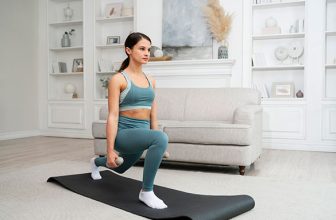
Instead of static stretches alone, adding dynamic movements like leg swings or gentle lunges can enhance flexibility and prepare the muscles for deeper stretching. Dynamic stretching helps improve blood circulation and muscle responsiveness, making it an excellent warm-up routine before any physical activity.
Stretch Regularly but Gently
Consistency is key when it comes to improving hamstring flexibility. Practicing stretches daily without pushing beyond your limits will yield better results than sporadic intense stretching sessions. Regular movement helps maintain elasticity in the muscles and prevents stiffness.
Engage Core and Posture Awareness
Poor posture can contribute to hamstring tightness. Engaging the core during stretches and daily activities helps maintain alignment and prevents unnecessary strain on the lower body. Strengthening the lower back and glutes in addition to stretching the hamstrings can create better overall balance and reduce the risk of injury.
Hydration and Muscle Recovery
Proper hydration plays a role in muscle elasticity and recovery. Drinking enough water ensures that your muscles remain supple and recover effectively after stretching sessions. Additionally, incorporating gentle massages, foam rolling, and rest days into your routine can support long-term flexibility gains.
Strengthen Supporting Muscles
A well-balanced approach to hamstring flexibility includes strengthening the surrounding muscles. Weak glutes, lower back, and core muscles can lead to compensatory tightness in the hamstrings. Exercises like bridges, squats, and core workouts help maintain a stable foundation and prevent over-reliance on the hamstrings for movement.
Conclusion
Understanding how to stretch your hamstrings safely is essential for preventing injuries and improving mobility. By focusing on gentle, controlled movements and incorporating regular stretching into your routine, you can maintain flexibility and overall leg health. Whether you are an athlete, yogi, or someone simply looking to improve daily movement, prioritizing safe stretching techniques will benefit your body in the long run.
By avoiding common stretching mistakes, integrating warm-ups, and practicing mindful breathing, you can make your stretching routine both safe and effective. Incorporating a variety of stretching techniques, staying consistent, and taking care of your muscles through hydration and recovery will lead to long-lasting improvements in flexibility. Remember, the goal is not to force flexibility but to develop it gradually, ensuring that your hamstrings remain healthy and strong for years to come.