

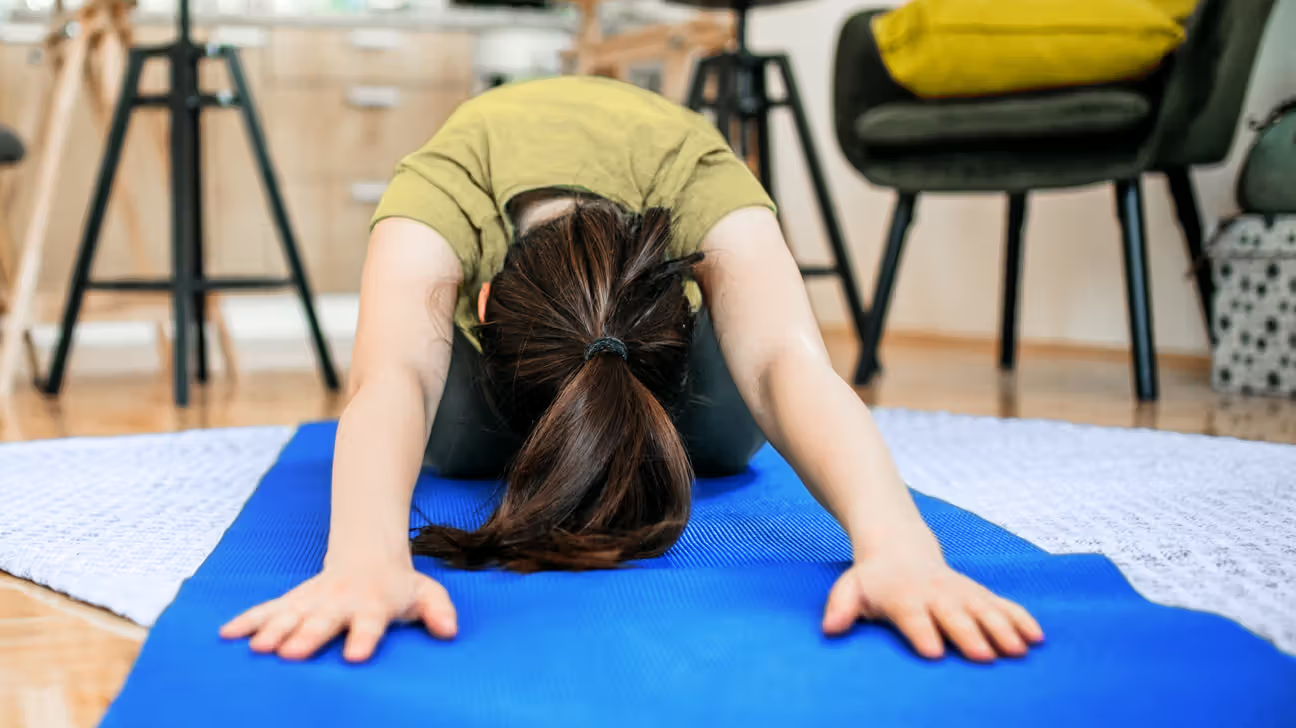
Padmasana yoga, also known as the Lotus Pose, is one of the most iconic and revered postures in traditional yoga practice. This cross-legged seated position symbolizes inner peace, stability, and spiritual awakening. Practicing Padmasana yoga regularly can bring numerous physical, mental, and emotional benefits, making it a foundational pose for meditation and deep relaxation.
While it may seem simple at first glance, achieving the full expression of Padmasana requires flexibility, patience, and proper technique. This guide will take you through everything you need to know about Padmasana yoga, from its origins and benefits to step-by-step instructions, modifications, and expert tips to help you master the pose.
Understanding Padmasana Yoga
The Origins of Padmasana
The term “Padmasana” comes from the Sanskrit words “Padma,” meaning lotus, and “Asana,” meaning posture. The pose is deeply rooted in ancient yogic traditions and is often depicted in statues and paintings of enlightened beings, such as the Buddha and various Hindu deities. It is believed that sitting in Padmasana helps channel energy throughout the body, facilitating deep meditation and spiritual enlightenment.
The Significance of the Lotus Symbol
The lotus flower holds profound spiritual significance in many cultures. Growing from the mud yet blooming beautifully above the water’s surface, it represents purity, resilience, and the ability to rise above challenges. Practicing Padmasana yoga embodies these qualities, encouraging practitioners to cultivate inner strength and serenity.
The Benefits of Practicing Padmasana Yoga
Physical Benefits
Improves Flexibility
Padmasana stretches the hips, knees, and ankles, improving overall lower body flexibility. Regular practice can gradually loosen tight muscles and increase range of motion.
Enhances Posture and Spinal Alignment
Maintaining Padmasana yoga encourages a straight, elongated spine, reducing strain on the back and shoulders. This helps develop good posture and prevents discomfort from prolonged sitting.
Stimulates Digestion
Sitting in Padmasana gently compresses the abdominal organs, stimulating digestive function and reducing bloating or discomfort after meals.
Promotes Joint Health
Unlike chairs, which can restrict natural joint movement, Padmasana allows the knees and hips to open naturally, keeping the joints healthy and mobile.
Mental and Emotional Benefits
Encourages Deep Meditation
One of the primary reasons for practicing Padmasana yoga is to prepare the body for meditation. By providing a stable base, it allows practitioners to sit comfortably for extended periods, facilitating deeper focus and mindfulness.
Reduces Stress and Anxiety
The stillness and controlled breathing associated with Padmasana help calm the nervous system, reducing stress, anxiety, and mental fatigue.
Enhances Concentration and Mental Clarity
When the body is steady and relaxed, the mind follows. This pose supports enhanced concentration, making it ideal for students, professionals, and anyone looking to improve their cognitive function.
How to Practice Padmasana Yoga
Step-by-Step Instructions
Step 1: Warm-Up
Before attempting Padmasana, ensure your body is properly warmed up. Perform gentle hip openers like Butterfly Pose (Baddha Konasana) and Pigeon Pose (Eka Pada Rajakapotasana) to prepare your lower body.
Step 2: Find a Comfortable Seat
Sit on a yoga mat with your legs extended in front of you. Keep your spine tall and shoulders relaxed.
Step 3: Position the First Leg
Bend your right knee and place your right foot on your left thigh, ensuring the sole faces upward and the heel is close to your lower abdomen.
Step 4: Position the Second Leg
Bend your left knee and carefully place your left foot on your right thigh in the same manner. Both knees should be touching the ground, and the feet should rest comfortably.
Step 5: Align the Spine
Keep your back straight, chin slightly tucked, and hands resting on your knees in a mudra (hand gesture) like Chin Mudra or Dhyana Mudra.
Step 6: Focus on Your Breath
Close your eyes and take slow, deep breaths. Maintain this position for a few minutes, gradually increasing the duration as you become more comfortable.
Modifications and Variations
Half Lotus Pose (Ardha Padmasana)
If you struggle with full Lotus Pose, try placing only one foot on the opposite thigh while keeping the other leg underneath. This variation still offers many of the same benefits while reducing strain on the knees.
Supported Padmasana
If you experience discomfort in your lower back or hips, sit on a folded blanket or yoga block to elevate your hips and relieve pressure.
Reclined Lotus Pose (Supta Padmasana)
For a more advanced variation, lie back in Padmasana and rest your arms beside you. This deepens hip flexibility and enhances relaxation.
Common Mistakes and How to Avoid Them
Forcing the Knees
Never force your legs into position. If your hips aren’t flexible enough, pushing the knees down can cause strain or injury.
Rounding the Spine
Maintain an upright posture to prevent lower back discomfort. Engage your core muscles to support spinal alignment.
Ignoring Discomfort
Listen to your body. If you feel sharp pain in your knees or hips, ease out of the pose and try modifications instead.
Tips for Mastering Padmasana Yoga
Practice Hip Openers Daily
Incorporate hip-opening stretches into your routine to increase flexibility and make Padmasana more accessible.
Use Props as Needed
A cushion, block, or folded blanket under the hips can provide extra support and comfort.
Be Patient and Consistent
Achieving Padmasana takes time, especially if you have tight hips or knee sensitivity. Progress gradually and respect your body’s limits.
When to Avoid Padmasana Yoga
While Padmasana yoga is beneficial for many, there are certain conditions where it may not be suitable:
- Knee injuries or recent knee surgery
- Severe hip or ankle stiffness
- Sciatica or lower back pain
- Circulatory issues in the legs
If you have any of these conditions, consult a healthcare professional or yoga instructor before practicing Padmasana.
Conclusion
Padmasana yoga is more than just a seated posture; it is a gateway to meditation, mindfulness, and physical well-being. By practicing this pose with patience, awareness, and proper technique, you can unlock its many benefits and enhance your overall yoga journey. Whether you’re a beginner or an advanced practitioner, incorporating Padmasana into your routine can bring a sense of peace, stability, and harmony to both your body and mind.


