

Yoga is a holistic practice that connects the mind, body, and breath, providing numerous physical and mental benefits. For beginners, starting a yoga routine may feel overwhelming, but with the right poses, it can become an enjoyable and fulfilling experience. Understanding the foundational poses will help build strength, flexibility, and confidence, making the transition into regular practice seamless. This guide explores essential yoga poses for beginners and offers insight into their benefits and techniques.
The Importance of Starting with Foundational Poses
Practicing yoga provides a multitude of benefits, from improved posture and flexibility to reduced stress and enhanced mental clarity. Beginners should start with foundational poses that focus on alignment, breathing, and balance. These poses help cultivate body awareness while preventing injuries. By starting slowly and paying attention to proper form, new practitioners can build a strong foundation for a more advanced practice.
Mountain Pose (Tadasana)
This pose is often considered the foundation of all standing poses. It helps with posture, balance, and awareness of body alignment. To practice, stand with feet together, arms at the sides, and engage the core. Distribute weight evenly across both feet while lengthening the spine. Breathe deeply, keeping the shoulders relaxed and facing forward. Practicing this pose regularly enhances stability and promotes mindfulness.
Downward Facing Dog (Adho Mukha Svanasana)
One of the most recognizable yoga poses for beginners, this position stretches the entire body and builds upper body strength. Begin on hands and knees, tuck the toes, and lift the hips upward, forming an inverted V shape. Keep the arms and legs straight while pressing the heels toward the floor. This pose strengthens the shoulders and spine while stretching the hamstrings and calves. It is excellent for increasing flexibility and relieving tension in the back and neck.
Child’s Pose (Balasana)
A resting pose that provides deep relaxation, child’s pose is perfect for beginners to take a break during practice. Kneel on the floor, bring the big toes together, and sit back on the heels. Extend the arms forward and lower the torso to the mat. The forehead should rest on the ground while breathing deeply. This pose gently stretches the lower back, hips, and shoulders while promoting a sense of calmness and relaxation.
Warrior I (Virabhadrasana I)
Warrior I is a powerful standing pose that builds strength, stability, and focus. Start in a standing position and step one foot back, keeping the front knee bent at a 90-degree angle. Lift the arms overhead, keeping the shoulders relaxed. Engage the core and press firmly into the back foot. This pose strengthens the legs, opens the chest, and improves concentration.
Warrior II (Virabhadrasana II)
A variation of Warrior I, this pose enhances stamina and endurance. From a standing position, step one foot back, ensuring the front knee is bent and the back leg remains straight. Extend the arms parallel to the floor, gazing over the front hand. This position strengthens the legs, stretches the hips, and increases overall stability. Holding this stance for a few breaths builds resilience and balance.
Tree Pose (Vrksasana)
A great introduction to balance poses, tree pose helps improve stability and focus. Stand with feet together and shift weight onto one foot. Bring the other foot to rest on the inner thigh or calf, avoiding the knee. Press the hands together in a prayer position at the chest or extend them overhead. Engage the core and focus on a steady point to maintain balance. Practicing this pose enhances concentration and strengthens the legs.
Cobra Pose (Bhujangasana)
This gentle backbend strengthens the spine while opening the chest and shoulders. Lie on the stomach with hands placed beneath the shoulders. Press into the palms and lift the upper body while keeping the elbows slightly bent. The legs remain on the ground as the chest lifts forward. This pose improves spinal flexibility, reduces back pain, and enhances posture.
Seated Forward Bend (Paschimottanasana)
A deep stretch for the back and hamstrings, this pose encourages relaxation and flexibility. Sit with legs extended forward and reach for the toes, keeping the back straight. Fold from the hips while maintaining a long spine. Avoid rounding the back and breathe deeply into the stretch. This pose helps to release tension in the lower back and calm the mind.
Bridge Pose (Setu Bandhasana)
A gentle backbend that strengthens the lower body and opens the chest, bridge pose is beneficial for posture and core stability. Lie on the back with knees bent and feet hip-width apart. Press into the feet and lift the hips while keeping the arms at the sides. Engage the glutes and core to support the lift. This pose enhances spinal flexibility and stimulates circulation.
Cat-Cow Stretch (Marjaryasana-Bitilasana)
A simple yet effective movement for spinal flexibility, cat-cow stretch warms up the body and promotes mobility. Begin on hands and knees, ensuring the wrists are aligned with the shoulders. Inhale while arching the back and lifting the head (cow pose), then exhale while rounding the spine and tucking the chin (cat pose). This dynamic movement improves posture, relieves back pain, and enhances coordination.
Triangle Pose (Trikonasana)
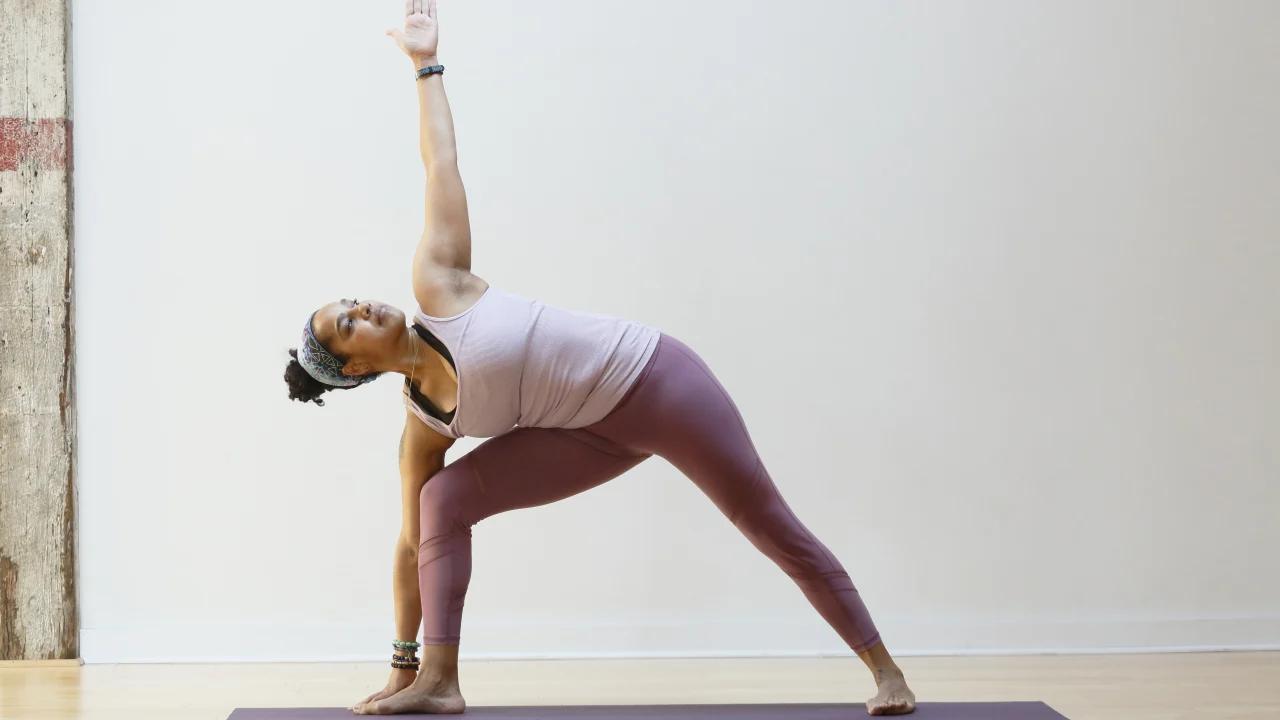
Standing yoga poses for beginners stretch and strengthen the entire body, triangle pose improves balance and flexibility. Stand with feet wide apart and extend one arm toward the ground while the other reaches toward the sky. Keep both legs straight and engage the core for support. The stretch benefits the legs, hips, and torso, helping to increase overall body awareness.
Savasana (Corpse Pose)
Often practiced at the end of a yoga session, this pose allows complete relaxation and integration of the practice. Lie flat on the back with arms and legs relaxed, palms facing upward. Close the eyes and focus on deep, rhythmic breathing. This pose helps reduce stress, lower blood pressure, and promote mindfulness. Practicing Savasana regularly encourages deep relaxation and mental clarity.
Tips for Beginners
Starting a yoga practice requires patience and consistency. It is essential to focus on proper alignment to prevent injuries. Breathing deeply through each pose enhances relaxation and improves concentration. Using props such as yoga blocks and straps can provide support and aid in achieving correct postures. Practicing in a calm environment with minimal distractions allows for a deeper connection to the poses.
Yoga is a journey that evolves over time, and beginning with foundational poses sets the stage for a rewarding experience. With regular practice, flexibility, strength, and mindfulness improve, leading to a balanced and healthier lifestyle. Each session provides an opportunity to grow and explore new movements, making yoga a lifelong practice of self-discovery and well-being.


