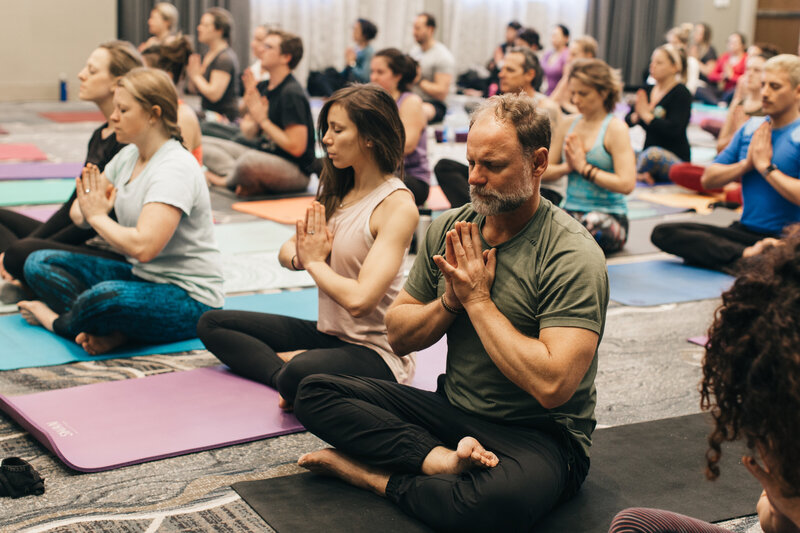
A growing number of people have discovered the incredible benefits of yoga, with countless practitioners across the globe attesting to its ability to enhance both physical and mental health. While joining a yoga studio can be immensely beneficial, hosting a yoga class at your own home comes with its own unique advantages.
Are you perhaps intimidated by the thought of getting started or wondering exactly how to go about organizing a home yoga session? If so, you’re in the right place! By the end of this post, you will have actionable steps and inspiring ideas to get started with hosting a yoga class in your home.
Section 1: Benefits of Hosting a Yoga Class at Home
Hosting a Yoga class at home isn’t just about practicality, it’s also about creating an environment that fosters relaxation, mindfulness, and inner peace. By practicing yoga in the comfort of your home, you can establish a profound connection with your personal space and energies. Additionally, studies have shown that yoga boosts mental health, decreases anxiety, and increases body awareness.
Section 2: Necessary Equipment for a Home Yoga Class
Before hosting a yoga class at home, you’ll need to gather some basic items. Start with a good quality yoga mat, which will provide stability and cushioning for your practice. Other useful items include yoga blocks and straps for those who need assistance with certain postures. A soothing playlist and some calming aromatherapy oils can also heighten the relaxing ambiance in your yoga space.
Section 3: How to Prepare Your Space
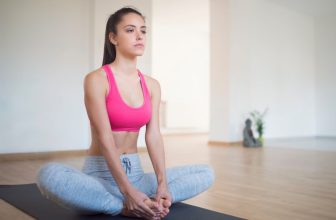
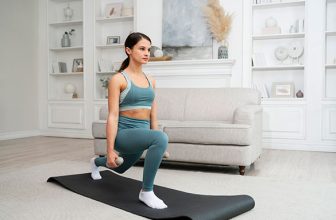
Transforming a corner of your home into a serene yoga sanctuary is as simple as decluttering that area and creating a soothing ambiance. Opt for a space with plenty of natural light. Fresh air, plants, calm colors, and soft lighting can all contribute to a tranquil yoga environment.
Section 4: Flow Creation
A yoga class typically begins with a warm-up, moves into more intense postures, and then gradually winds down. Your flow can include fundamental poses such as mountain pose, downward dog, cobra, and child’s pose. To create a beginner-friendly flow, keep the sequences simple and repetitive enough for everyone to follow.
Section 5: Inviting Participants
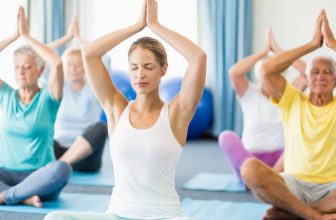
Inviting the right people is critical to creating a harmonious home yoga class. At first, you might want to invite people who are already familiar with yoga or those open to trying a new experience. The class size depends on your available space but aim for a smaller, more intimate group.
Section 6: Instructor’s Role in a Home Yoga Class
As the host and potential instructor, you assume responsibility for guiding your participants through the practice. It’s essential to strike a balance between challenging participants and respecting their personal capabilities. Remember to adjust your teaching style according to the skill level of your group.
Section 7: After the Yoga Session
Towards the end of the session, allow time for participants to rest and meditate. This is a framework to create closure and provide an opportunity for your attendees to reflect on their personal practice. Post-session, offer light refreshments or wellbeing-oriented discussions to keep the positive energy circulating.
Hosting a yoga class at home can be a gratifying experience, serving as a way to deepen your practice, build relationships, and maintain a healthy lifestyle. By cultivating this holistic environment, you’re nurturing a lifelong journey towards wellness, healing, and personal growth. So, why not get started? Set a goal for your first home yoga class, prepare your space, and invite some friends over for a rejuvenating session. Remember, yoga is a journey, not a destination—embrace each step along the way!