

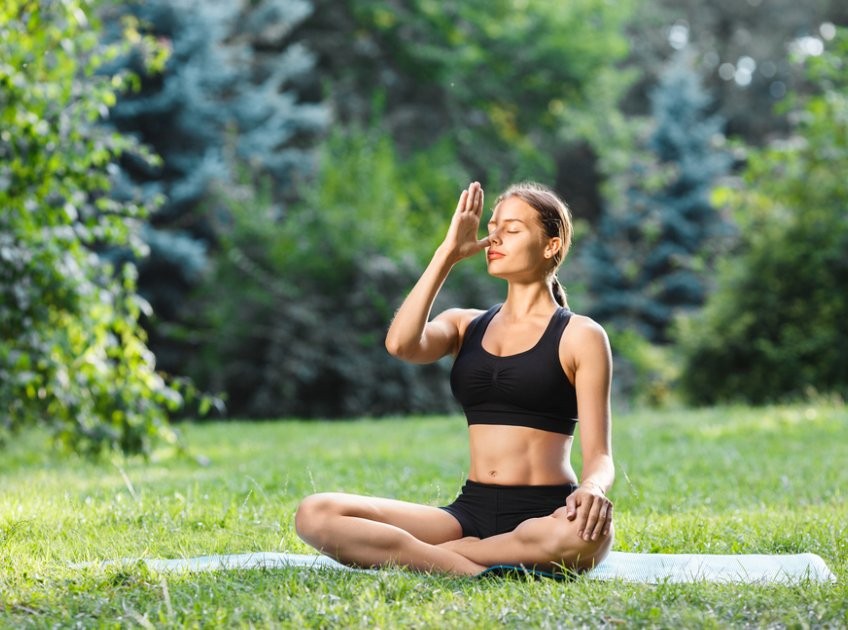
A Guide to Yoga Breathing Techniques (Pranayama)
Introduction
Have you ever felt overwhelmed, anxious, or stressed and wondered if there’s a natural way to manage these feelings of unrest? We’ve heard it many times that deep, mindful breathing can aid relaxation, but did you know there is more to it than simple inhales and exhales? Welcome to the world of Pranayama—an integral part of yoga, focusing on breathing techniques to cultivate physical, mental, and spiritual wellbeing.
In this comprehensive and engaging guide, we explore various types of Pranayama, their benefits, and practical ways to incorporate them into your daily life—not leaving out possible challenges and how to overcome them. So, are you ready to achieve balance and peace with these ancient, effective breathing practices?
Section 1: What is Pranayama?
Pranayama, derived from Sanskrit—where “prana” means life force and “ayama” means control or extension—is a set of breathing practices designed to regulate the energy flow (prana) within us. It’s more than just breath control; it’s about harmonizing the body, mind, and soul, forming an integral part of Yoga that goes beyond the physical postures (asanas).
Now, you might be wondering, how does regulating your breath contribute to overall wellbeing?
Section 2: Benefits of Pranayama
Pranayama’s benefits are abundant and multi-dimensional—physical, mental, and spiritual. Physically, regular practice can improve lung capacity and respiratory function. Mentally, it helps in reducing stress, anxiety, and improving focus. Spiritually, it propels us towards a higher level of consciousness and self-realization.
Several scientific research papers back these claims. For instance, a study published in the International Journal of Yoga found positive effects of Pranayama on respiratory functions and suggested its systematic practice for asthma patients.
Essentially, pranayama brings about a sense of calm and balance, preparing the mind for meditation and deep contemplation. Anecdotes from yogis worldwide reinforce these benefits, with reported experiences including a stronger connection to the self, increased clarity, and a general sense of tranquility.
Section 3: Overcoming Common Barriers
While the benefits of pranayama are incredibly appealing, one often does face challenges when attempting to incorporate the practice into their daily routine. Common obstacles include lack of time, no clear guideline, and difficulty in concentration.
But remember, every step forward, no matter how small, is progress. You can start with a minute or two of mindful breathing and gradually increase the duration over time. Developing concentration will also become easier with practice. Lastly, today, there are ample resources online, including guided pranayama sessions, giving you the flexibility to practice anytime, anywhere.
Section 4: Pranayama Practices and How to Incorporate Them
Let’s delve into some common Pranayama practices and how you can incorporate them into your daily routine.
1. Anulom Vilom (Alternate Nostril Breathing): This exercise balances the left and right energy channels in your body, promoting mental clarity and peace. It’s perfect to start or end your day with.
2. Kapalabhati (Skull Shining Breath): Known as the “illuminating breath exercise,” it cleanses the respiratory system and boosts energy. You’ll find it very refreshing in the morning.
3. Bhramari (Bee Breath): This involves making a humming bee sound while exhaling, helping to calm the mind and reduce anxiety or anger. It’s effective when you need a quick stress buster.
Remember, it’s not a race, but a journey. Start slow and be consistent. Modify your practice as per your comfort and needs, and you’ll gradually see the benefits unfold.
Section 5: Consistency is Key
Like with any practice, consistency is crucial in Pranayama to experience profound benefits. To stay consistent, you could set definite timelines for practice, involve a friend for accountability, or join a yoga group, virtual or physical. Embrace the journey of breath control understanding that some days will be better than others, preaching yourself the profound language of self-compassion and patience.
Conclusion
With this comprehensive guide, getting started with Pranayama may not seem as intimidating now. Understand the essence of this practice—it’s not about perfection but the journey towards achieving balance and peace. As you embark on this journey, make sure to listen to your body and never push beyond your comfort levels.
So, how about setting a small goal today? Maybe a two-minute Anulom-Vilom before starting your day for the next week? Start experiencing the benefits and invest in your long-term health—one deep breath at a time.


